
Immediate problem: paint that won’t last
You’ve sprayed and waited, only to find hairline cracks, peeling, or uneven coverage—typical signs that paint and plastic aren’t cooperating. If you’ve ever typed does spray paint stick to plastic into a search bar, you know the question isn’t trivial: adhesion is a materials problem, not a guess. Start by treating this as a systems issue—substrate, surface prep, chemistry and cure—and you’ll avoid wasted time and material.
What causes failure
Plastic surfaces differ widely: low-surface-energy polyolefins resist wetting; additives migrate to the surface; surface oils, dust and mould release agents block bonds. Temperature swings and incompatible solvents in the paint can stress the film. The outcome is predictable: poor wetting, blisters, or flaking. A clear diagnosis points straight to the right fix.
Practical fixes that work
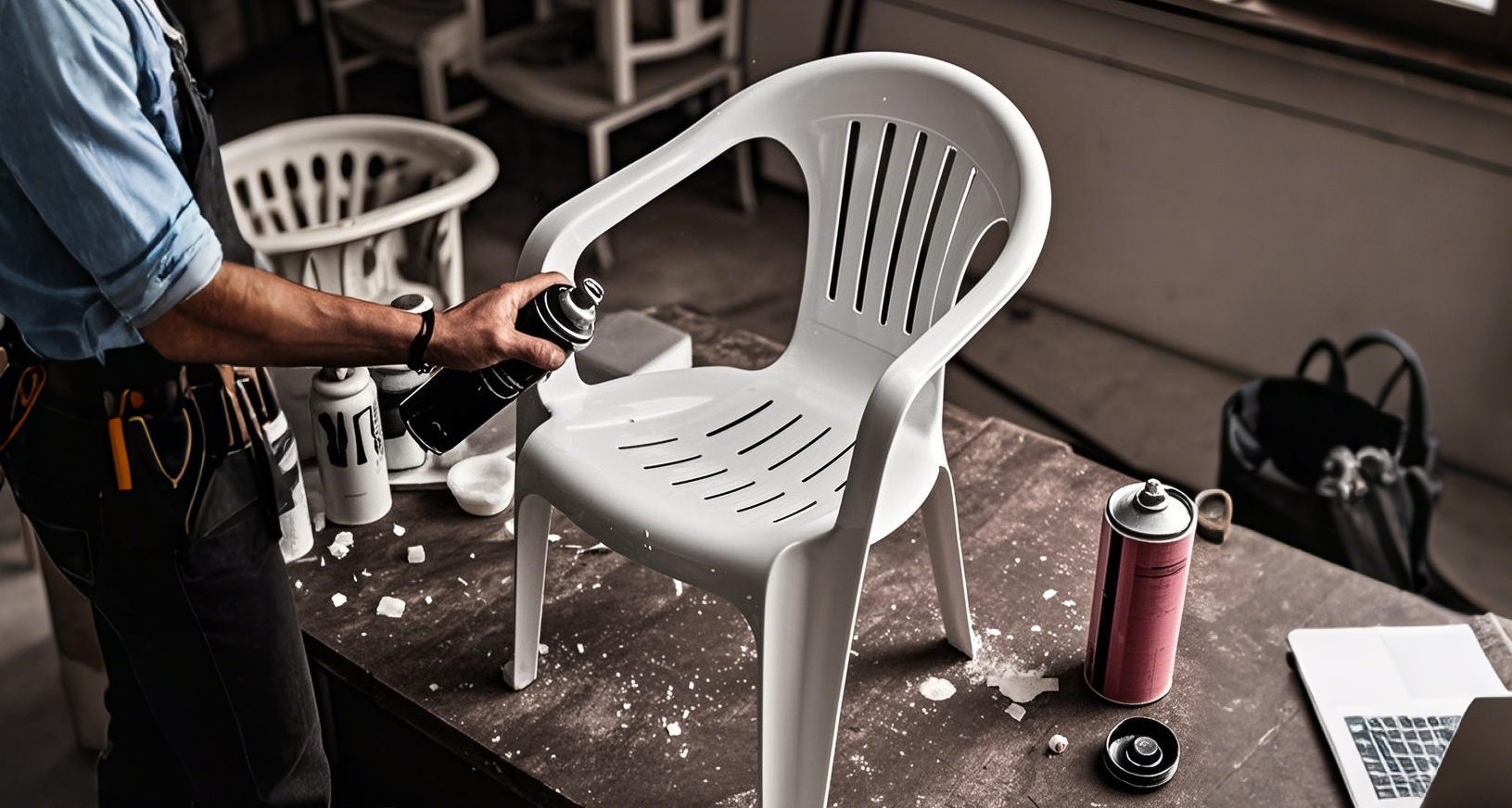
Clean with a mild solvent or a dedicated plastic cleaner. Lightly abrade with fine grit to increase mechanical key. Use a primer formulated for plastics—this bridges low energy surfaces and paint chemistry. Apply thin, even coats and allow full flash-off time between passes. For flexible parts, choose elastomeric-friendly topcoats. Those steps solve most problems without exotic equipment.
Evidence and trusted guidance
I’ve overseen coatings selection for product lines and small-batch manufacturing; that hands-on work shows that testing and standards matter. Consumer Reports’ coating comparisons and independent lab protocols provide the kind of reproducible results professionals rely on, and they reinforce that the primer-plus-compatible-topcoat route wins most durability tests. For product-level reference, review the options labelled best spray paint for plastic to match resin type, flexibility, and chemical resistance to your part’s needs.
Common mistakes to avoid
Skipping primer because the base looks smooth is the most frequent error. Using heavy coats to hide flaws traps solvents and causes fisheyes or runs. Ignoring cure times reduces intercoat adhesion. Swapping brands mid-project without test panels invites colour and performance mismatches. Test a small area first, and record conditions—temperature, humidity, and how many coats—so you can reproduce success.
Comparing practical alternatives
Single-step plastic sprays can be convenient but sacrifice long-term durability on difficult resins. Two-part urethanes give superior chemical and abrasion resistance where mechanical stress is present, but they need mixing and stricter handling. Waterborne topcoats reduce VOC exposure but demand proper primers and controlled drying. Choose by expected service conditions: wear, UV exposure, and flexibility.
Conclusion: the right chemistry wins
Treat adhesion issues as solvable problems: identify the plastic, prepare the surface, select a matching primer and topcoat, and validate with a small test. Solid, repeatable results come from applying known protocols and the right materials—this is where validated formulations and supplier expertise matter, and why teams working with precise surface finishes often source from manufacturers such as SANVO.