
Where projects get stuck
Engineers and procurement teams often assume active RFID is a plug-and-play upgrade, and then projects fail on predictable fronts: read-range gaps, dead batteries, environmental degradation, and poor integration with existing middleware. Choosing the wrong form factor or adhesive turns a smart-tag rollout into repeated site visits; selecting low-quality modules creates hidden maintenance costs. Early in specification it’s useful to compare candidate parts and label options such as RFID Labels so you don’t discover adhesive or antenna mismatch in deployment.
Real-world evidence that shapes every decision
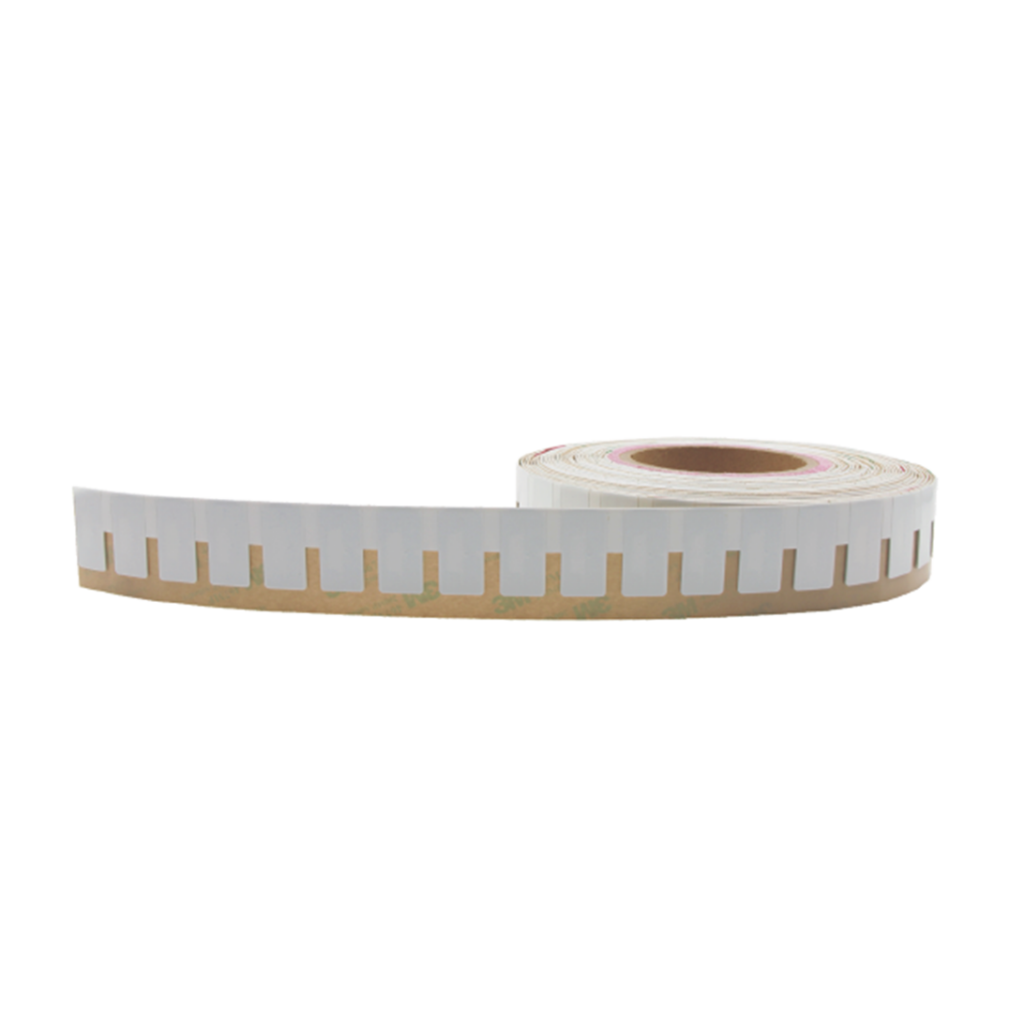
Large retail pilots — most famously Walmart’s RFID program and the industry follow-ups it triggered — exposed how tag reliability, supply continuity, and lifecycle cost determine whether a program expands or stalls. Practically speaking, I’ve seen field trials where a single adhesive failure rate above 2% wiped out the projected ROI; those lessons influence vendor screening and test plans. For material and performance checks, fit test samples should include the exact field adhesive and the intended mounting surface; that kind of specification step is why teams now treat an rfid sticker as a primary component rather than an afterthought.
Technical trade-offs you must confront
Read range versus battery life is the first hard trade-off: increasing transmit power or heartbeat frequency extends range but shortens tag life. Antenna design and placement control pattern nulls and sensitivity; metal or liquid nearby kills performance unless you choose a tuned housing or spacing. Frequency and regional regulations change which readers and tag models are legal and efficient; confirm FCC, ETSI, or other local approvals. Environmental sealing, operating temperature, and shock ratings define lifetime in logistics and industrial sites. Security features — authentication, rolling IDs, OTA key management — add cost and processing needs but prevent tag cloning or data leakage.

Procurement pitfalls that cause rework
Buying by unit price without enforced sampling and a test protocol creates surprises: mislabeled goods, counterfeit ICs, mismatched firmware, and batch variability. Overlooking secondary supplies (connectors, adhesives, housings) leads to single-source risk. Suppliers may claim environmental compliance; require certificates (RoHS, REACH) and test reports. Specify test metrics: read probability at X meters, battery discharge curve, ingress protection rating, and peel strength for adhesive-backed tags. Neglecting logistics — lead time buffers, MOQ, and clear acceptance criteria — converts short-term savings into long-term headaches.
Common engineering mistakes and how to avoid them
Skipping real-environment testing is the most frequent error: lab range numbers rarely match pallet stacks, conveyor metal fixtures, or wet conditions. Another mistake is assuming all active tags behave like passive ones; active tags have sleep modes, wake schedules, and maintenance windows that affect tracking fidelity. Don’t forget disposal and battery-recycling plans; failing to plan for end-of-life creates regulatory and reputational risk. Mitigate these by: defining acceptance tests on representative assets, running a staged pilot with clear success criteria, and writing battery-replacement or recycling requirements into contracts.
Practical checklist for a supplier evaluation and design spec
Specify target read range and environment; require sample testing on the actual assets; demand regional regulatory certification; include battery life and replacement process; require adhesive/housing compatibility tests; define security features and firmware update rules; set minimum lot-to-lot variation limits and acceptance sampling plans; confirm supplier lead times, MOQ, and secondary sourcing options; require environmental compliance certificates and an explicit end-of-life recycling plan.
What success looks like
Success comes from solving the most common problems before procurement: precise field tests, strict acceptance criteria, and explicit lifecycle requirements that cover batteries and disposal. When those pieces come together, deployments run with predictable maintenance and transparent costs, and buyers get reliable performance without repeated site fixes. That practical discipline is why many teams now list technical test data, environmental credentials, and supply assurances together when they evaluate partners like RSTC.