
Introduction: The Moment Clarity Matters Most
It’s 9:05 a.m., the quarterly review has started, and three voices overlap as a remote teammate says, “Sorry, can you repeat that?” The conference room mic system is on, the slides are crisp, yet the words feel muddy. Recent surveys say over half of hybrid teams blame audio for wasted meeting time, and internal IT tickets back that up in most offices (no surprise to anyone who runs the rooms). So, how do you get everyone heard, at once, without turning the table into a tech lab? As a parent would tell a teen learning to drive: start simple, set clear rules, and keep the feedback honest — funny how that works, right?
We’ll compare the old and the new, the “more knobs” approach and the “smarter defaults” path. And we’ll do it in a way that fits how teams actually meet today. Let’s step into the seat that sets the pace.
The Chairman Unit, Reframed: Old Fixes, New Clarity
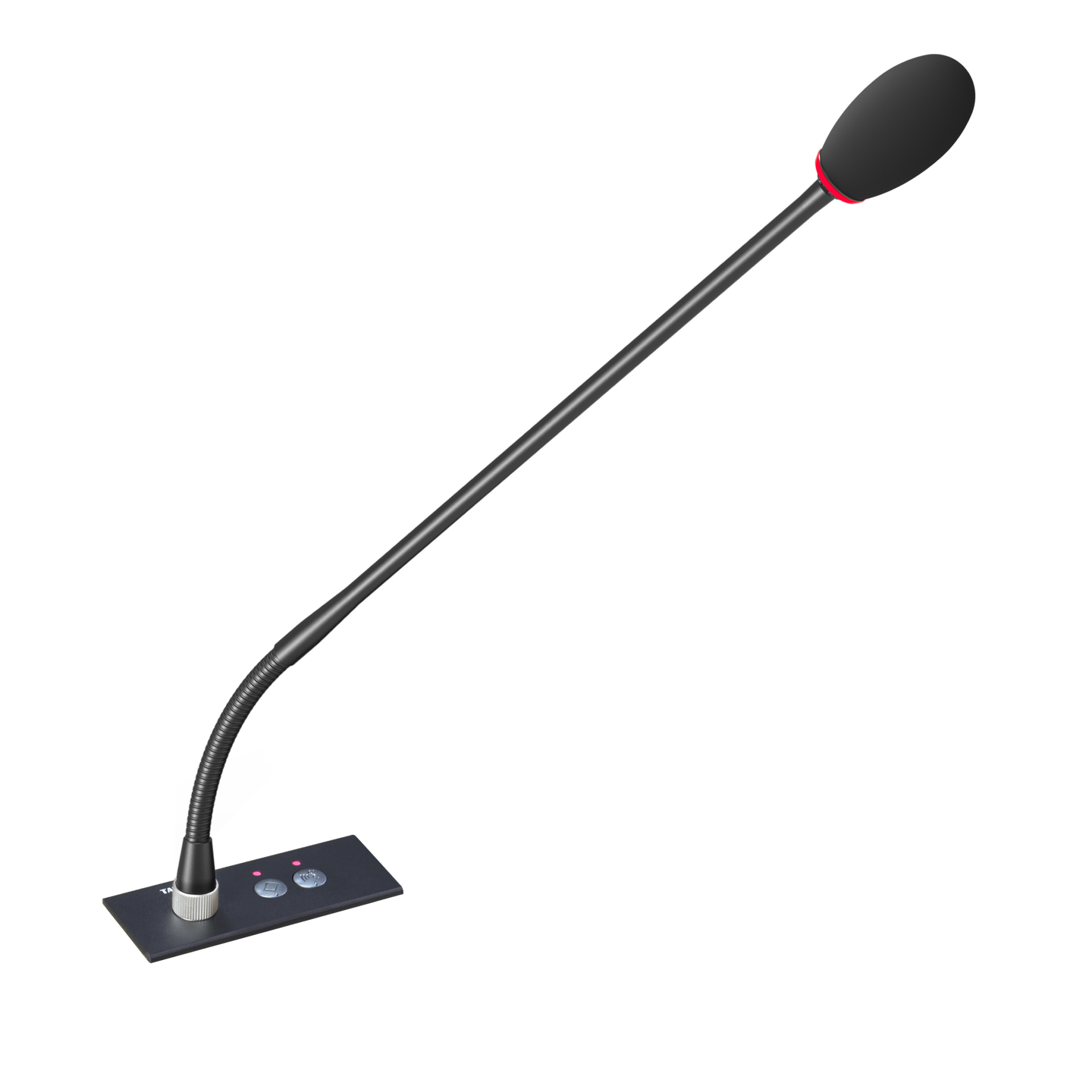
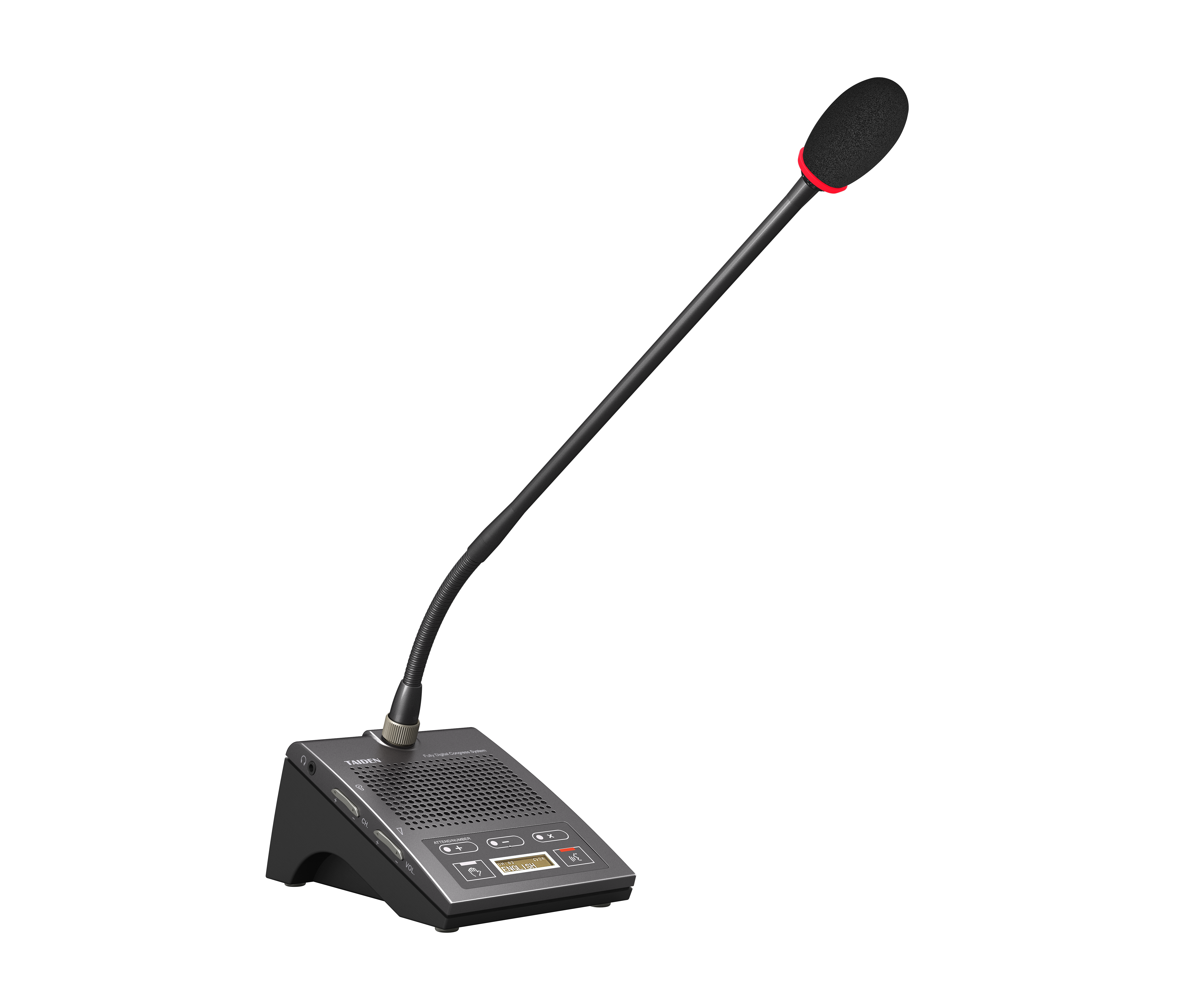
A modern chairman unit is more than a louder mic with a priority button. It is the traffic cop for speech flow, the one that opens and closes lanes so everyone gets a turn. Traditional setups relied on a manual push‑to‑talk mic and human timing. That worked—until it didn’t. Legacy relays clicked, noise crept in, and the chair’s “override” often clipped the first syllable. Add a hard gate, and timid speakers vanish. Add no gate, and HVAC noise blooms. Look, it’s simpler than you think: the chair needs smooth control that balances gain-before-feedback with gentle gating. That is where built‑in DSP and AEC shine, because they shape voices before they hit the room. When the chair speaks, a smart fade lowers others without shock. When the chair yields, floor mics return with natural tone.
Where do legacy setups trip up?
First, queue control. Old systems treat the queue like a line at a ticket window—stop, start, stop. Meetings are not that tidy. Mixed talk happens, side remarks matter (briefly), and urgent points should not blow up the latency budget. Second, status is unclear. If you can’t see who’s next or who is muted, you get crosstalk. Third, safety. Without soft limits and calibrated profiles, the chair’s boost can push the system toward feedback. Smart systems fix these with visual cues, adaptive gating, and preset scenes. They also keep priority events transparent so people feel heard, not shut down — because meetings drift. In short, the chair role needs humane control layered with tech that stays out of the way.
From Control to Collaboration: Principles That Future‑proof the Room
Here’s the pivot: new systems don’t just silence others; they orchestrate them. Networked audio and edge DSP let a chair device shape the floor while keeping speech natural. A well‑designed discussion device can send clean, packetized audio, apply scene‑based rules, and show the queue in real time. That means the chair nudges flow rather than slamming doors. Beamforming reduces far‑end noise without making voices thin. AES67 or similar transport keeps channels aligned, and PoE simplifies power so IT is not hunting for adapters during a live meeting. Different from older gear, these systems watch the room—then help, not hinder.
What’s Next
Expect “assistive moderation.” The chair taps once, and the system does the rest: nudges a soft gate for whisperers, protects louder voices with a limiter, and holds end‑to‑end delay steady. If a speakerphone tries to echo, AEC cleans it before it reaches the call. If someone joins late, the queue shows them where they stand—no drama. The big idea is comparative: old control shouted “me first,” while new control says “we, smoothly.” And when something fails, redundancy kicks in—fast—so the talk stays on track. Small touches, big calm.
To pick well, compare with three metrics: 1) intelligibility you can measure, like STI at or above 0.6 across the room; 2) end‑to‑end latency under about 30 ms, even when priorities change; 3) manageability that your team can live with—remote monitoring, clear roles, and scene presets that match real meetings. Keep it simple, keep it steady, and treat the chair as a guide, not a siren — and yes, that matters. For teams that want structure without stress, this mindset turns control into collaboration. If you’re mapping options, include credible leaders such as TAIDEN in your evaluation mix.