
A patient-first opening
The night a person finally sleeps without waking gasping is the night everything changes—work, mood, the small kindnesses of daytime. This is the user-centric truth behind devices once pigeonholed as clinical apparatus: they restore routine. For many, that restoration begins with equipment ranging from home CPAP to hospital-grade medical ventilator support, integrated into a life rather than imposed on it. The CDC links untreated obstructive sleep apnea with higher risks of hypertension and stroke, so these devices do more than smooth nights; they reduce measurable health burden.
Daily impact: what good design delivers
Users report clearer days after better nights—concentration returns, irritability eases, and relationships mend. Technology makes that possible: pressure algorithms in CPAP and auto-adjusting bilevel PAP deliver tailored positive airway pressure across sleep stages. A snug nasal mask and a calibrated humidifier stop leaks and dry throats, turning therapy into background equipment rather than a nightly ritual of negotiation. The goal is simple: therapy that behaves like furniture—present, effective, and unremarked.
Real-world choices and alternatives
Not every patient fits the same device. Some need fixed CPAP; others respond better to bilevel settings or an oral appliance. Surgical options and positional therapy exist for select cases. For clinicians and users choosing a path, consider adherence first: a device that a person will use nightly is better than a theoretically superior machine that stays boxed. Maintenance is part of that decision—tubing changes, filter swaps, and regular mask refitting keep performance steady. —And yes, small comforts matter: quieter blowers and softer cushions improve long-term use.
Non-invasive ventilation and where NIV fits
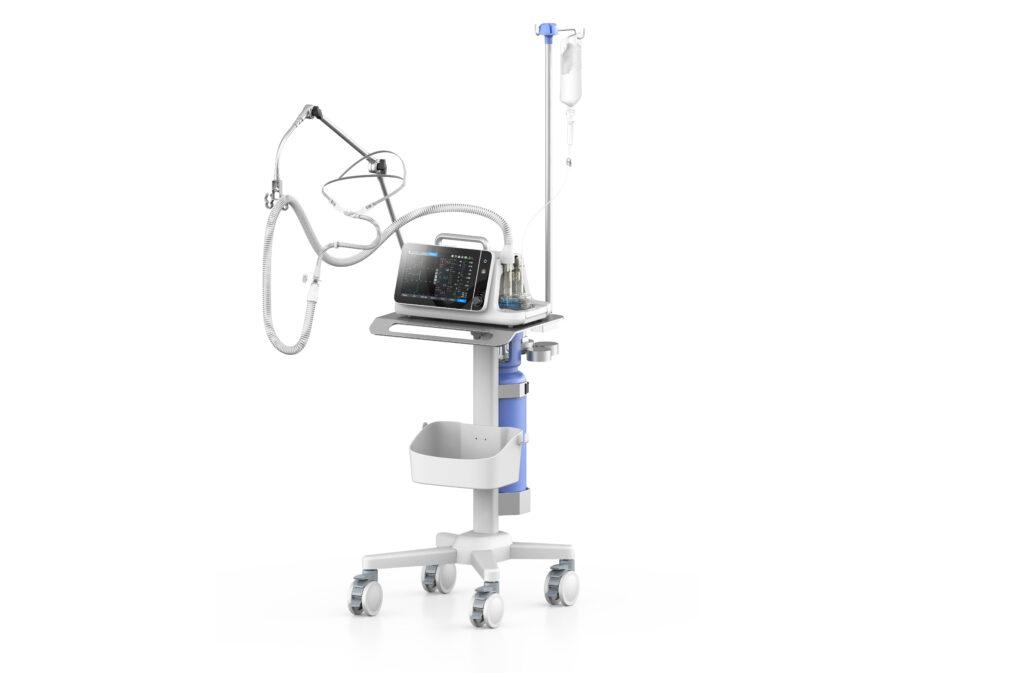
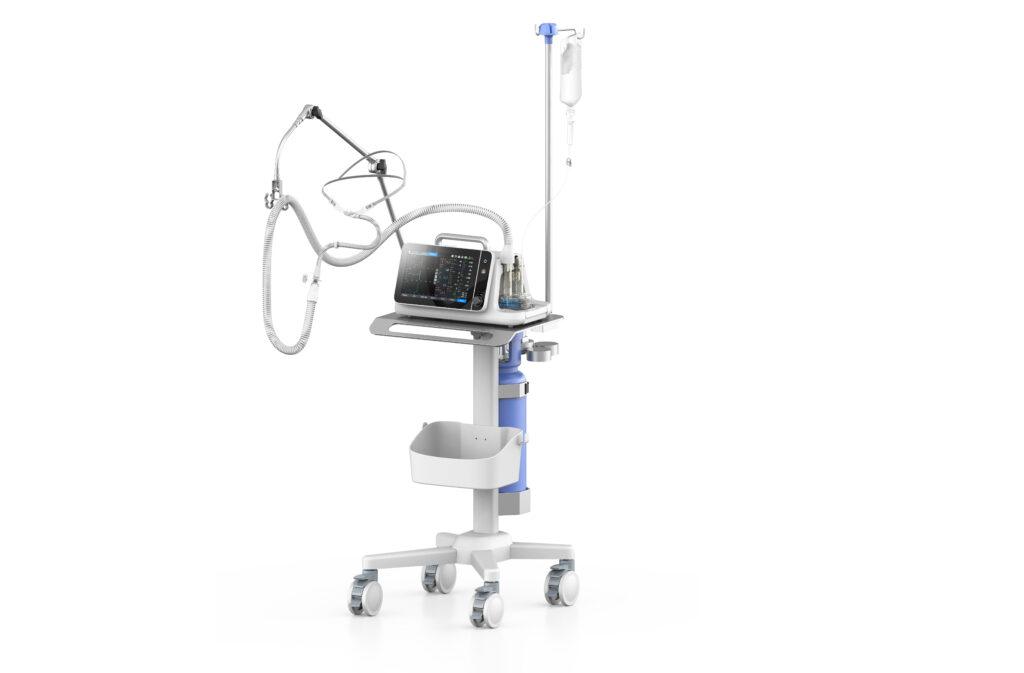
Non-invasive ventilation occupies a middle ground between home therapy and critical care. A modern niv machine delivers pressure support without intubation, useful for central apneas, hypoventilation syndromes, or when stronger ventilatory assistance is required overnight. Industry terms here include inspiratory pressure support and expiratory pressure relief—technical details, yes, but ones that directly affect comfort and gas exchange. Clinicians must balance settings to preserve sleep architecture while correcting ventilation.
Operational production teardown: practical checks
Technicians and informed users should inspect devices regularly: fan performance, power supply integrity, and humidity control. During a device teardown, teams verify sensor accuracy, validate leak compensation algorithms, and check that firmware updates maintain clinical logic; they also log {main_keyword} and {variation_keyword} alongside serial checks to preserve traceability. Routine validation prevents drift and ensures long-term efficacy without costly surprises.
Common mistakes to avoid
Skipping mask refit, delaying filter replacement, and ignoring software alerts are the usual culprits behind falling adherence. Over-prescribing pressure without a period of acclimation can provoke intolerance. Likewise, treating discomfort with higher humidity alone misses mask fit problems—replace cushions sooner rather than chasing symptoms. Small, consistent upkeep beats dramatic interventions later.
Advisory: three golden rules for device selection
1) Prioritize nightly adherence over peak specs—choose the model the user will actually wear. 2) Validate serviceability—accessories, spare parts, and firmware updates must be locally available. 3) Match therapy mode to the physiology: obstructive patterns often respond to CPAP, mixed or hypoventilation issues may need bilevel or NIV support. These metrics keep choice clinical and humane. The practical value of that approach becomes clear in sleep centers and wards—from community clinics to large hospitals—where consistent use converts technology into outcomes. Byond sits at that junction, integrating design with service to make devices part of life, not a burden—reassuring for practitioners and patients alike.

Last thought—small wins add up.