
Introduction
The other night in my garage workshop, my buddy’s laser cutter coughed up a plume right in the middle of a midnight build—everyone ducked and laughed, then started rubbing their eyes. We’d skipped a proper laser fume extractor and paid for it: a handheld particle counter spiked to 120 µg/m3, a sharp metallic smell, and a machine that smelled like it had lost a fight. Data like that doesn’t lie (and neither do sore throats). So how do you pick an upgrade that actually cleans the air, not just makes noise? I’m going to walk you through what I’ve learned after testing rigs, swapping filters, and arguing with suppliers. I use plain talk, a few real numbers, and the kind of nerdy asides you’d expect from someone who’s stayed up way too late debugging ductwork. Next, I’ll dig into what typically fails and why — then we’ll look forward to better systems. Let’s go.
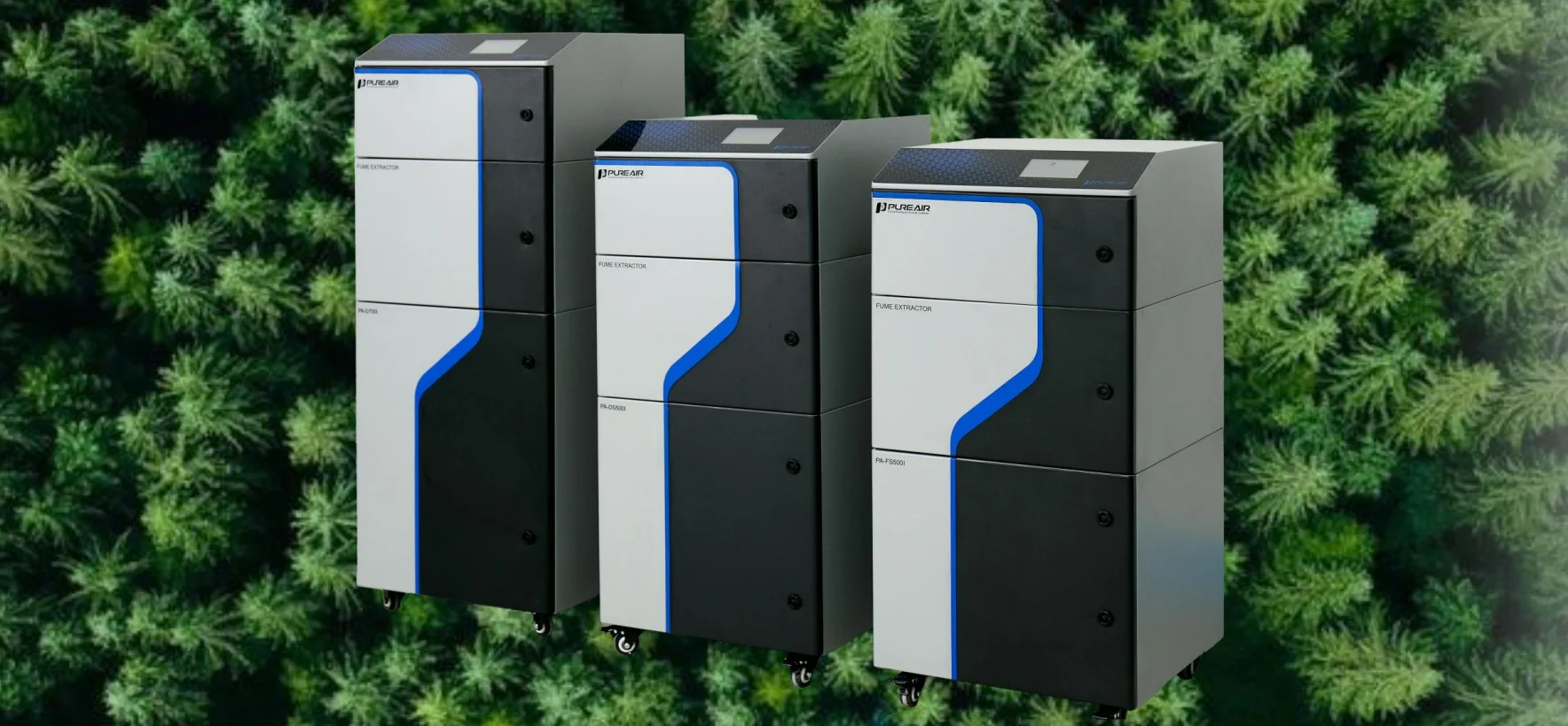
Where Traditional Setups Break Down
When I inspect a typical CO2 laser fume extractor, three patterns pop up fast: underpowered fans, poorly matched filters, and sloppy duct runs. I’ve seen units with decent HEPA filtration sitting behind a tiny fan that can’t move enough air. In other cases, activated carbon packs are undersized, so VOCs slip past like ghosts. The result? You get eyes that sting and parts that smell — but the dashboard numbers look fine on a short test run. That’s maddening. Technically speaking, filtration math matters: airflow velocity, filter area, and residence time are all tied together. If any one of those is off, you lose capture efficiency. Add in real-world quirks — poor sealing, long flexible duct, or a dirty pre-filter — and you’re back at square one. Look, it’s simpler than you think: match fan capacity to the cutter’s fume volume, and size filters so they don’t choke the flow. I’ve rebuilt a few shop setups this way and the difference was night and day.
Why does this fail?
Short answer: vendors sell pretty boxes, not system designs. Long answer: companies focus on single metrics (like nominal HEPA rating) and ignore system-level checks: actual cubic feet per minute (CFM) at the intake, pressure drop across the filter bank, and proper waste handling. I’ve measured units where the “spec” fan promised 500 CFM but produced half that once duct losses and pre-filters were in place. That’s embarrassing. You need a particle counter test at the face, not a spec sheet in a showroom. Also — and this is personal — when installers don’t seal flanges I get salty. It’s sloppy work and it shows in the air quality.
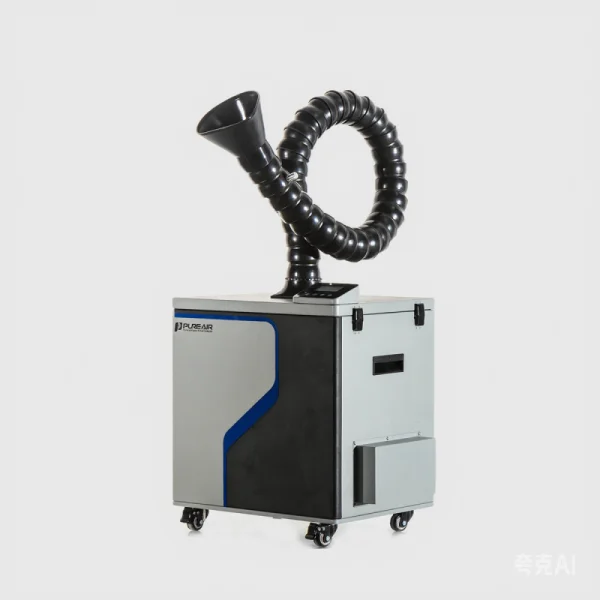
Next-Gen Principles and How to Evaluate Them
What’s next for cleaner, smarter extraction? New systems combine better basics with smarter controls. I’m talking variable-speed blowers that match airflow to load, staged filtration that preserves HEPA lifetime, and sensors that actually report real-time particle counts and VOC levels. A modern CO2 laser fume extractor should not just run full blast all the time; it should scale. When I tested a variable system, the energy savings alone paid back part of the upgrade cost in months — and the shop air felt different, fresher. — funny how that works, right?
What’s Next
Here’s how I evaluate next-gen gear. First, check the control logic: does it accept inputs from particle counters and adjust fan speed? Second, look at filter architecture: is there a pre-filter, a proper HEPA stage, and an accessible activated carbon bed? Third, test real capture at the nozzle with a particle counter, not just a room sample. I also care about maintenance: easy filter swaps, clear clog indicators, and modular power converters for simple repairs. These principles are technical but practical; they reduce downtime and keep people healthy. We should expect systems that log data (edge computing nodes, anyone?) so shops can tune performance over time — that’s not sci-fi, it’s getting real.
To close, here are three quick evaluation metrics I recommend you use before buying: 1) Measured intake CFM at working distance (not vendor CFM), 2) Total system pressure drop and expected filter life, and 3) Real-time sensor integration (particle counter + VOC readout). If a seller can’t provide those numbers — walk. I say that because I’ve been burned by glossy specs before. We can do better by asking the right questions and insisting on tests. For straight answers and solid hardware, I trust builders who back data with service — like the teams at PURE-AIR.