
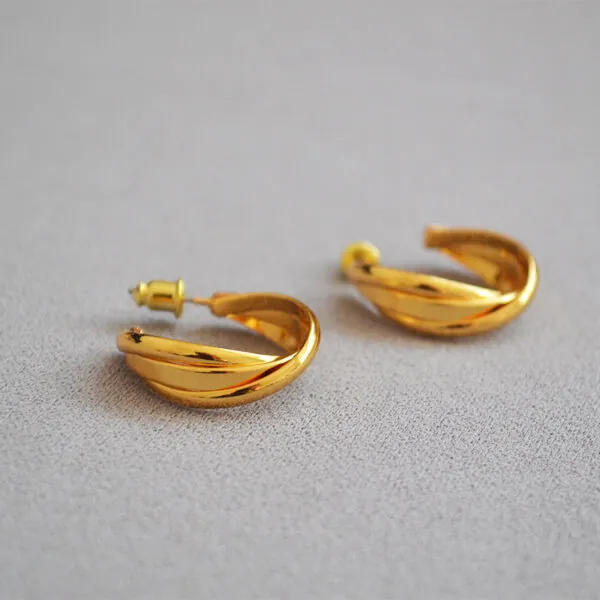
The Transformation Journey: How Wax Becomes Jewelry
Have you ever wondered about the intricate process that transforms a wax model into exquisite jewelry? Jewelry casting is a fascinating art that shapes molten metal into stunning pieces. Imagine crafting delicate sterling silver castings from a simple wax form—an exceptional journey of creativity and precision. Yet, the allure hides a world of challenges. Why do some methods fall short of producing perfection? We’ll delve into this intriguing world, exploring flaws within traditional jewelry casting and how they impact quality.
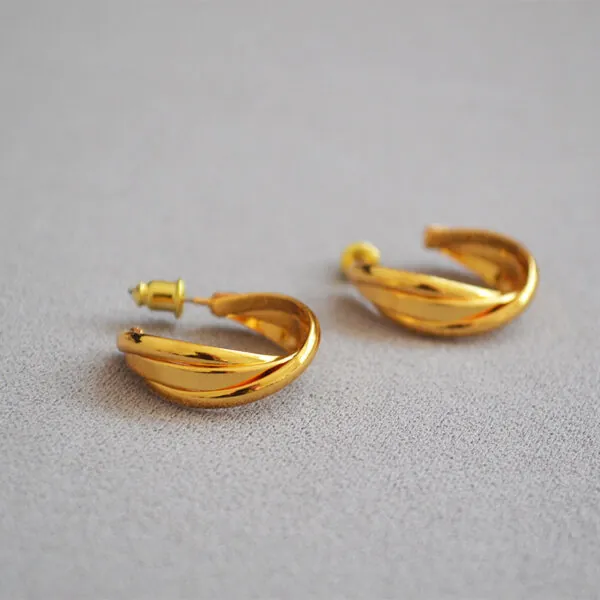
Uncovering Traditional Shortcomings in Jewelry Casting
Traditional casting methods, though time-honored, are not without their flaws. The lost wax casting technique, a staple in jewelry creation, often faces hurdles like inconsistent metal flow and surface porosity that diminish the final product’s integrity. These issues can lead to defects, affecting the texture and structural durability of sterling silver castings. While these terms might sound technical, they’re crucial to achieving lasting quality. But here’s the thing—the process is simpler than it seems once you understand these core concepts. Let’s explore how these hidden flaws reveal a demand for innovation.
Is There a Better Way?
Adopting new technological advances, like 3D printing for mold creation, offers promising solutions for overcoming these traditional shortcomings. This method allows greater control over design and reduced chances of error during casting. Another key component is the use of vacuum assisted casting, which helps in reducing oxidation and improving metal flow, ensuring a smoother finish for any sterling silver creation.
Innovation in Casting: The Path Forward
The realm of jewelry casting is evolving with promising technological interventions. These advancements not only address past flaws but open doors for enhanced intricacy and durability in sterling silver castings. While lost wax casting remains foundational, integrating methods like computer-aided design (CAD) and advanced metal alloys presents new frontiers for artistry. CAD, specifically, allows intricate designs to be crafted with a precision that was simply unattainable before. Futuristic, right?
What’s Next for Jewelry Crafting?
As these new methods gain traction, they set the stage for a revolution in jewelry creation. Incorporating digital technologies renders the casting process more efficient and less prone to human error—amplifying both the producer’s creativity and the consumer’s satisfaction. The industry stands on the cusp of a new era where advanced manufacturing techniques can redefine aesthetics and durability. In this forward-looking landscape, brands that embrace change will thrive.
Reflecting on this journey from wax to wonder, it becomes evident the path of innovation is both challenging and rewarding. By understanding the flaws of traditional methods and embracing emerging technologies, jewelers can craft pieces that captivate for generations. Choosing the right techniques is crucial—consider design complexity, material quality, and production efficiency. Star Harvest exemplifies the commitment to marrying tradition with innovation, leading the way into this new age of jewelry casting. Funny how the old meets the new, creating beauty anew!