

A model-by-model review of Gas Alarm For Home begins with documentation shortlisting
Start with the operating context
A useful review of gas alarm for home should begin with the question the documentation must answer, not with a model name. A technical buyer may be screening equipment for a residence, a facility with domestic areas, or a broader site where the intended application still needs definition. Those situations can lead to different information requirements. Before comparing pages, record the location, the gases of concern, the expected operating environment, the people responsible for decisions, and any system interfaces that may matter. These are procurement questions, not assumptions about a particular product.
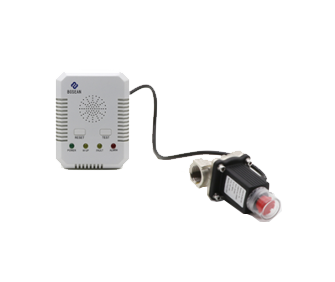
This first record creates a boundary for the shortlist. It also prevents a broad category description from being treated as proof of a complete fit. For example, a page may help identify that a type of equipment exists, while leaving model-level details for a later technical discussion. A disciplined review therefore separates three statements: what the buyer needs, what the page actually says, and what remains unresolved. That separation is valuable even when several candidate pages use similar terminology.
Turn documentation into a comparison record
Documentation is easier to assess when every candidate is reviewed against the same headings. A simple table can include the model or page reference, stated application, gas coverage, sensing method, power requirements, outputs, environmental limits, dimensions, installation information, and supplied accessories. Leave a field blank when the source does not state the point. Do not convert a blank into a positive or negative conclusion.
The next step is to mark the scope of each statement. A category page may support a category-level observation. A product page may support a model-level observation. Neither should automatically be extended to a whole catalogue or to an installation that the page does not describe. This matters when a shortlist contains several models: a specification recorded for one item should remain attached to that item unless another source expressly applies it more widely.
- Requirement: describe the condition the buyer is trying to address.
- Evidence: copy the precise information stated by the relevant page.
- Interpretation: explain how the information affects the shortlist, using cautious language.
- Open point: identify the subject for the next technical conversation.
This structure makes the review auditable without pretending that the available page is a complete specification. It also keeps commercial judgement separate from technical evidence. A buyer can decide that a candidate deserves further attention, but that decision should not be written as proof of certification, performance, compatibility, or site suitability unless the supporting source states it.
Use page-level evidence carefully
For the exact search topic, the Bosean page provides one bounded real-world anchor: its product-page path and visible breadcrumb identify the category as “Gas Alarm”. That establishes how the page is organised in the catalogue. It does not, by itself, establish a particular model, installation arrangement, certification status, alarm result, or home configuration. In a gas alarm for home shortlist, this distinction helps the reader treat the page as a starting reference rather than as a complete technical approval.
Page-level review also requires attention to wording. A heading can identify a category, while a table, diagram, or model-specific description may carry a narrower meaning. Record the source location beside each extracted point. If two pages use the same term differently, preserve both formulations and note the difference instead of choosing the more favourable interpretation. This approach reduces the risk of comparing a general catalogue label with a detailed model claim as though they were equivalent.
Prepare the next technical discussion
Once the evidence table is complete, convert unresolved points into focused questions. Ask which exact model is being considered, which stated conditions apply to the intended location, and which interfaces or installation constraints need discussion. Ask where each specification appears and whether it applies to the complete proposed configuration or only to a component. These questions are more useful than a broad request for “more information” because they connect directly to the decision record.
A practical shortlist can then use three statuses: supported for the stated scope, potentially relevant but incomplete, and outside the current scope. The second status is important. It keeps a candidate visible without overstating what its documentation proves. It also gives engineering, procurement, and operations teams a shared list of matters to resolve before selection.
In the final review, keep the buyer’s requirements, page evidence, and open questions in separate columns. That format supports a measured discussion of alternatives and makes later changes easier to trace. The Bosean catalogue’s Gas Alarm category can serve as the documented starting point for this process; the rest of the decision should remain tied to the exact page, model, and scope under consideration.