
Introduction — a short scene, a number, a question
I remember pulling into a small depot at dawn, coffee cold, keys in hand, watching drivers wait while chargers blinked and stalled. The all-in-one charging station sat there like a promise—compact, tidy, and full of potential. Data says public charging demand rises by double digits each year (more cars, more stops) — so where do we make the real gains? I ask that because I’ve seen good ideas falter in real lots, and I want to avoid the same mistakes again. Let’s walk through what matters next.
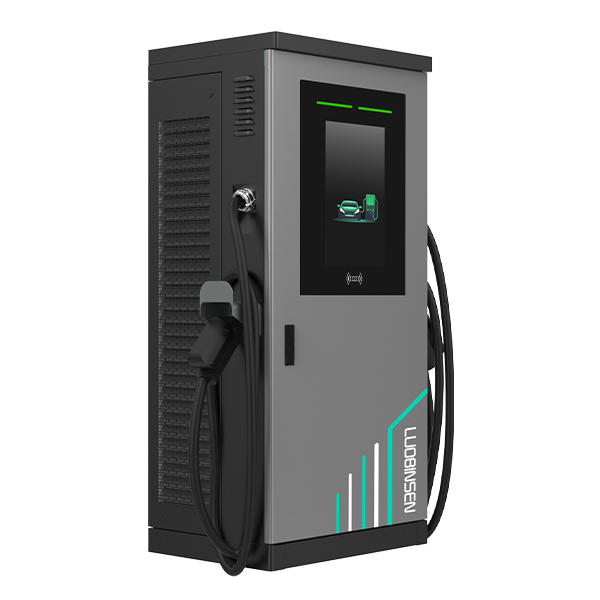
Why many solutions stumble: a technical look at the ev charging machine
ev charging machine is often pitched as the fix-all — but in practice, old habits and design shortcuts trip projects up. I’ve worked on sites where power converters were undersized, where load balancing was an afterthought, and where the software didn’t talk to hardware. The result: slow fills, unhappy drivers, and wasted energy. Look, it’s simpler than you think when you pin down the real weak points — but you must be blunt about them.
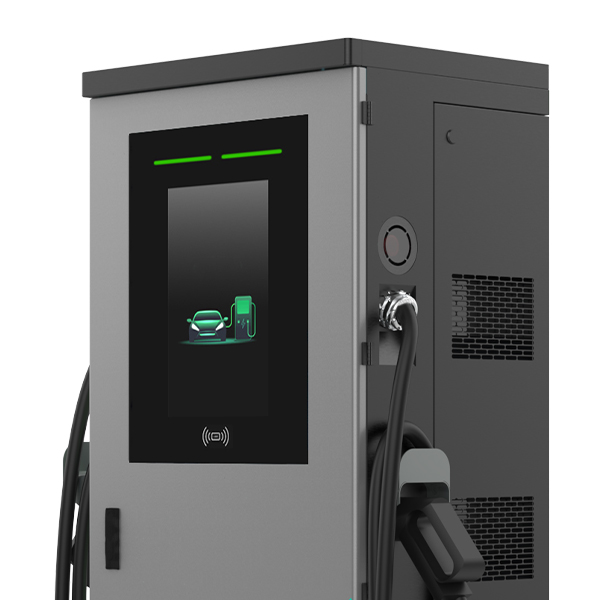
What exactly goes wrong?
First, many designs assume perfect grid conditions and ignore transients. That leads to surprise trips and downtime. Second, control logic is sometimes buried in siloed firmware — no remote diagnostics, no graceful fallbacks. Third, user experience is still treated as an accessory. Drivers want clear feedback, quick authorization, and predictable charge times. I’ve been on calls at midnight fixing sessions where a single sensor fault stopped an entire rack. — funny how that works, right?
Looking forward: new principles and practical metrics for ev fleet charging
Now let’s shift to a future I like to build toward. For fleet managers thinking big, the move is to systems that blend smart power flow, edge computing nodes, and modular hardware. That is: chargers that manage DC fast charging and AC loads dynamically, tie into battery management systems and energy storage, and keep the user in the loop. When I test setups, I look for clear circuit separation, robust telemetry, and a control plane that can shift priorities in real time.
What’s Next — Real-world steps
In practice, this means choosing solutions that support remote firmware updates, have built-in load balancing, and speak standard protocols. Also, plan for redundancy: a failed power converter should degrade service, not halt it. I’ve watched fleets switch to modular racks and cut downtime by half. The gains are measurable: faster turnarounds, lower peak fees, and happier drivers — and that matters when you run dozens of vehicles.
Three metrics I recommend when evaluating systems
Finally, here are three simple metrics I use — and I urge you to use them too when you vet all-in-one stations. 1) Real-world uptime: measure the percent of operational hours over a month, not vendor claims. 2) Delivered kW per port under load: does the charger keep power per vehicle when multiple cars plug in? 3) Time-to-diagnosis: how fast can you pinpoint a fault remotely and get running again? These are practical. They tell you what you’ll live with every day.
To wrap up, I’ll say this plainly: choose systems built for field realities, not for ideal lab tests. I’ve been in the parking lots, in the control rooms, on the support calls. These choices matter. For reliable components, modular design, and sensible support, consider options from Luobisnen.