
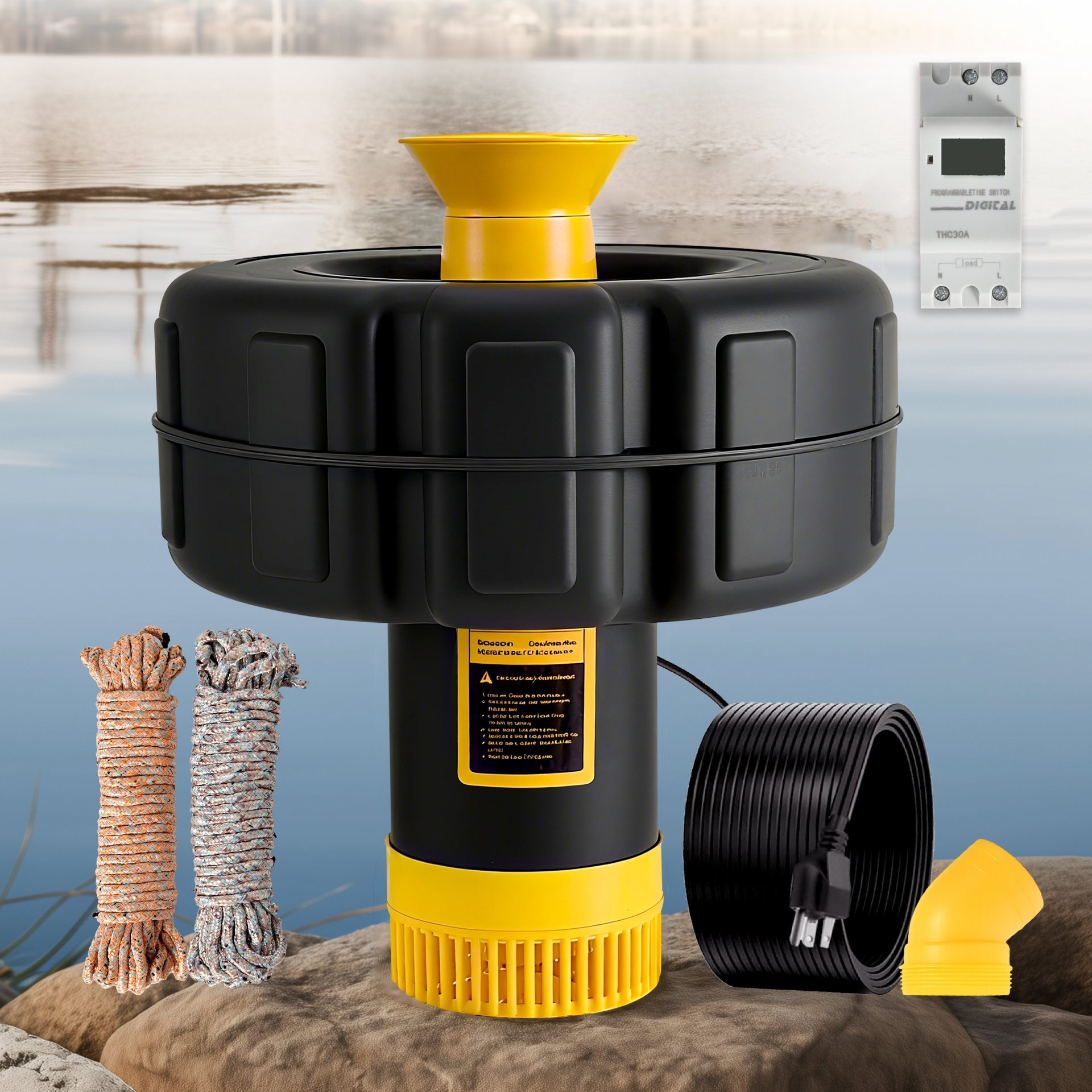
The problem — noise and vibration that steal the calm
There’s nothing quite like the hush of a small garden pond, until the pump starts to whirr and the surface shivers. For many keepers of water gardens, the issue isn’t merely annoyance: motor hum and structural vibration can unsettle fish, upset neighbours, and shorten equipment life. If you’re hunting for a peaceful pond fountain experience, you need to treat sound and vibration as design problems, not afterthoughts.
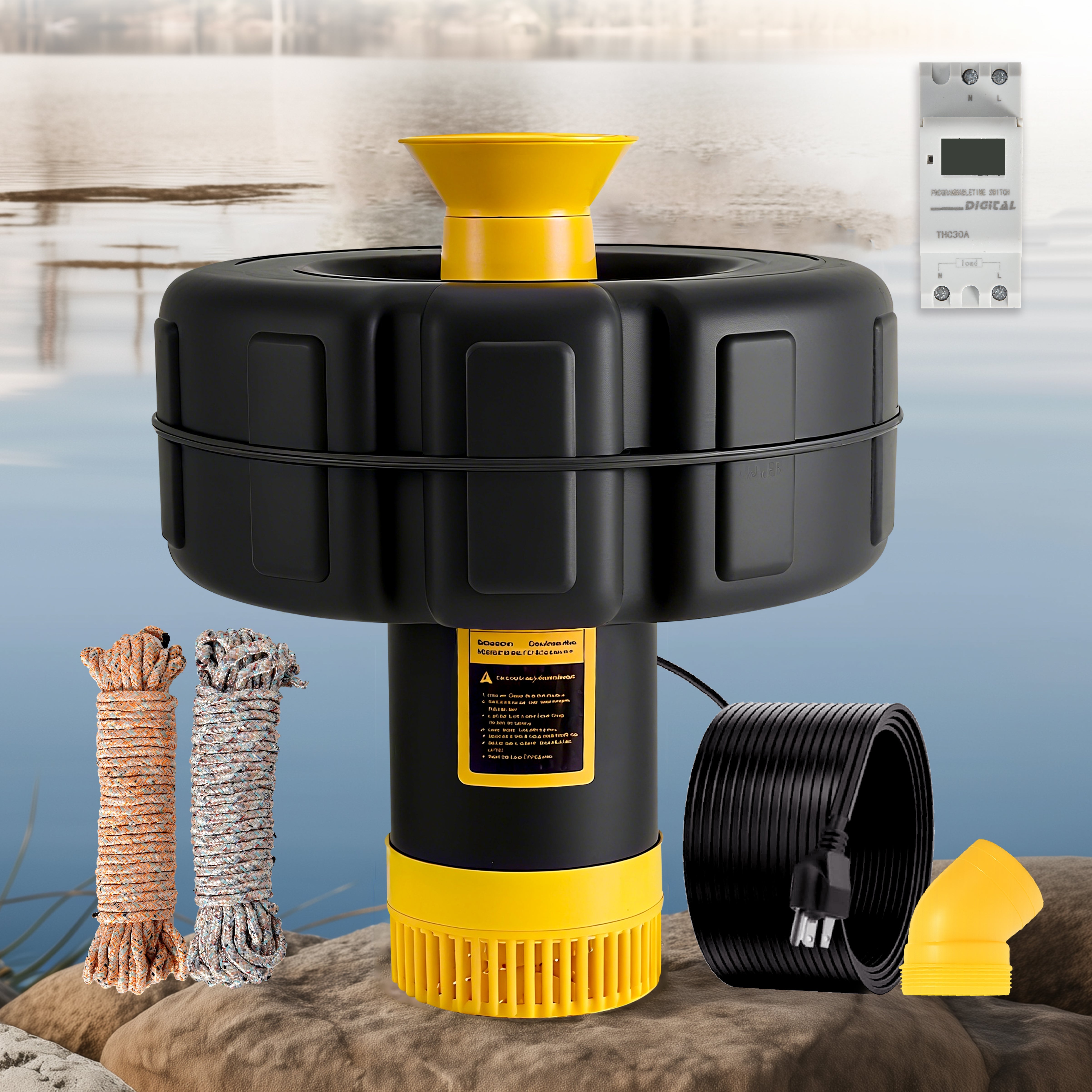
Why hum and vibration matter to ponds and wildlife
Noise isn’t just aesthetic. Excessive vibration can change flow patterns, stress stock, and accelerate wear on seals and bearings. Good aeration keeps dissolved oxygen up — fisheries guidance suggests levels below roughly 5 mg/L stress many warm-water fish — and a quiet, stable system keeps that oxygen distributed without harming the life it’s meant to support. Municipal pond managers and hobbyists alike use aeration to avoid summer fish kills; but if the aerator itself disturbs the pond, you’ve swapped one problem for another.
Common causes of motor hum and pond vibration
Most cases boil down to a handful of mechanical realities: poor mounting, an out-of-balance impeller, cavitation, or a pump running beyond its intended flow rate. Surface-mounted units can transmit vibration into decking or stonework. Submersible pumps that draw air or foul debris may cavitate and sing. And cheap or mismatched power supplies sometimes give motors a steady, unpleasant buzz.
Simple fixes that actually quiet the setup
Start with isolation. A rubber mount or neoprene pad under a pump often cuts structure-borne noise by half. Match pump capacity to pond volume and avoid excessive flow rate — overspeeding creates turbulence and vibration. Clean and balance the impeller regularly; even small nicks throw a rotor off-centre. Use a diffuser or aeration stone placed away from tight corners to reduce turbulent eddies. These measures are straightforward and usually inexpensive — and they return the pond’s sense of calm.
Choosing the right technology for low hum and low vibration
Not all pumps are equal. Diaphragm aerators tend to produce steady low-frequency output with less continuous vibration than some rotary units, while magnetically levitated motors and brushless DC drives offer quieter operation and longer life. Consider these tech points:
– Aeration type: surface, diffused, or fountain-style — each affects noise and oxygen distribution differently.
– Drive design: brushless DC or magnetic bearings reduce mechanical contact and vibration.
– Flow rate control: a variable-speed drive lets you tune circulation to conditions rather than running flat-out.
Choose components rated for pond duty and IP protection; longevity matters as much as silence.
Installation mistakes to avoid — learned the hard way
Many a pond keeper has bought a cheaper pump and later cursed the racket. Common missteps: mounting directly to masonry, underestimating head height (leading to cavitation), and burying a noisy power supply in a cavity that resonates. Also — don’t forget the plumbing. Long rigid pipe runs without flexible couplings transmit vibration like a bell. Allow for gentle curves, use vibration-absorbing fittings, and keep the pump accessible for maintenance.
Comparing solutions: what works for small gardens versus larger ponds
For a small decorative pool, a compact, low-RPM submersible with a fine diffuser often gives the best mix of silence and oxygenation. Larger bodies fare better with multiple small aerators distributed around the edge rather than one oversized unit — redundancy reduces both noise peaks and the chance of oxygen dead zones. In urban settings where neighbours complain, consider fountain-style aerators that break bubbles at the surface while masking mechanical sound with the gentle patter of water.
Real-world anchor and a quick tale of success
In summer months, many urban ponds see DO dips that stress fish; pond stewards in city parks routinely add aeration to prevent these events. I recall assisting a small community pond project where swapping an overworked rotary pump for two low-speed diffused aerators cut complaints and fish mortality within weeks — and the water looked clearer, too. The lesson’s plain: right-sizing and placement matter as much as raw power.
Maintenance that keeps hums away
Routine checks are your best defence. Clean screens and impellers, inspect mounts for hardened rubber, and cycle through seasonal flow adjustments. Replace worn bearings promptly. A monthly look is often enough for small systems, while busy ponds may need a quarterly tune. Keep a simple log of noise and flow-rate changes — trends tell you when replacement is imminent rather than waiting for a catastrophic failure.
Three golden rules for choosing the right aerator system
1) Match capacity to pond dynamics: evaluate pond volume, desired turnover, and head height — not just advertised GPH. Measure expected flow at operating head; numbers lie otherwise.
2) Prioritize vibration isolation and variable control: pick units with soft-mount options and variable-speed drives so you can tune flow without brute force.
3) Design for redundancy and serviceability: multiple smaller aerators beat one giant unit for both silence and reliability; make everything easy to reach for routine cleaning.
When silence, longevity, and consistent aeration come together, the result restores the pond’s purpose — calm, healthy water that pleases both wildlife and folk alike. For many garden and municipal projects, the quiet solutions found through careful design point naturally to products from trusted makers — and that’s the kind of practical value a brand like Orison brings to the table. —