
Comparative lead: why this matters now
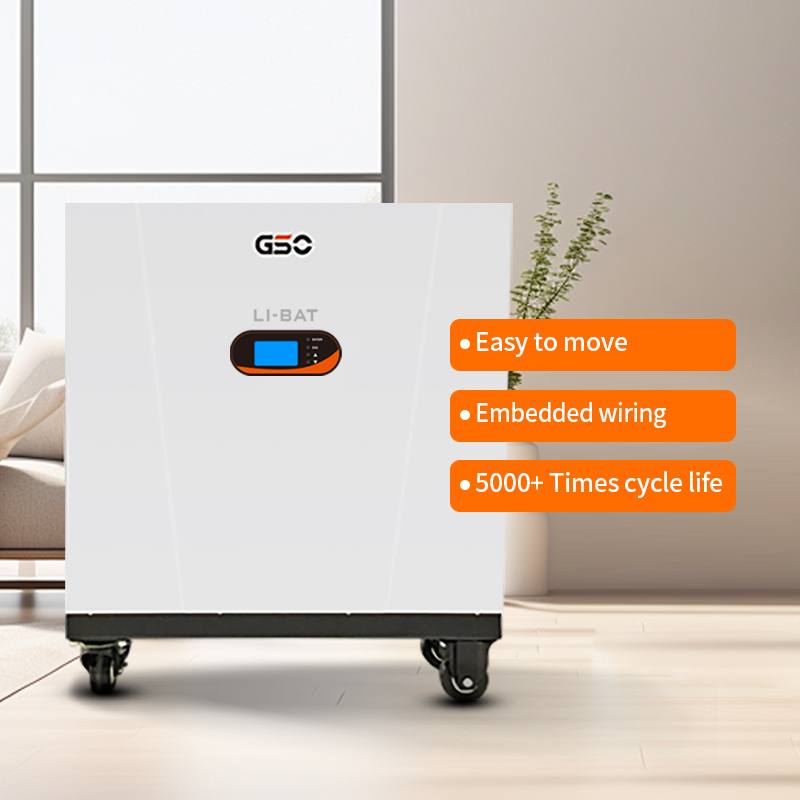
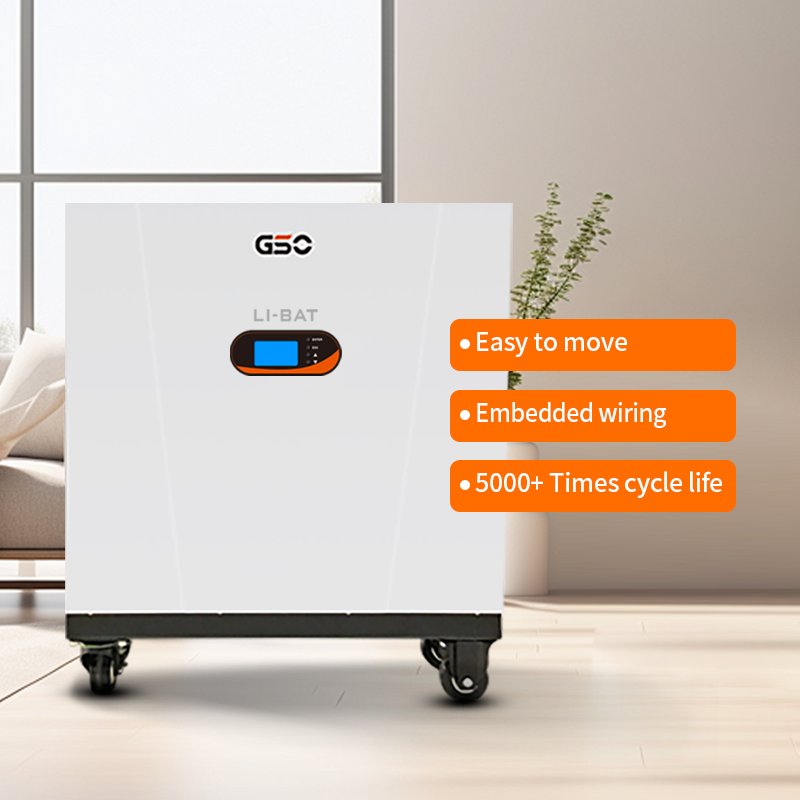
Commercial solar projects frequently face a practical crossroads: fit an AC-coupled storage system onto an existing PV array, or retrofit the site’s current commercial battery storage with a DC-coupled upgrade. Recent shifts in market pricing and grid behaviour make that decision urgent. For many owners — particularly those with rooftop or carpark PV in cities such as Edinburgh and London where demand charges bite — an AC-coupled add-on is often the least disruptive path to expand capacity, improve peak shaving and retain the original inverter architecture. See options for commercial battery storage if you need a practical reference for rack designs and chemistry choices.
Economic trade-offs and the hard numbers
Two cost lines drive every commercial retrofit: upfront capital expenditure and the marginal value returned through demand charge reduction or energy arbitrage. While wholesale battery pack prices fell notably over the last decade — a trend tracked by industry analysts such as BloombergNEF — project-level installation, permitting and inverter work still determine final economics. That disparity explains why apparent savings in commercial battery storage costs can evaporate once site-specific civil and electrical works are factored in. Look beyond headline $/kWh figures to lifecycle cost per dispatched kWh and round-trip efficiency when modelling payback.
Technical comparison: AC-coupled versus DC-coupled
AC-coupled systems connect via an inverter on the AC side, leaving the PV inverter untouched. DC-coupled systems sit between the PV array and the inverter, offering tighter DC routing and often marginally higher efficiency. Key industry terms to keep in mind here include inverter topology, battery management system (BMS) and round-trip efficiency. For many retrofits, AC coupling reduces downtime and avoids inverter replacement — a meaningful operational saving for commercial sites that can’t afford extended outages.
Integration realities and common mistakes
Installers and owners commonly under-estimate soft costs: interconnection studies, grid upgrade requirements, and balance-of-plant work. A few persistent errors recur:
– Specifying incompatible inverter communication protocols that prevent coordinated dispatch.
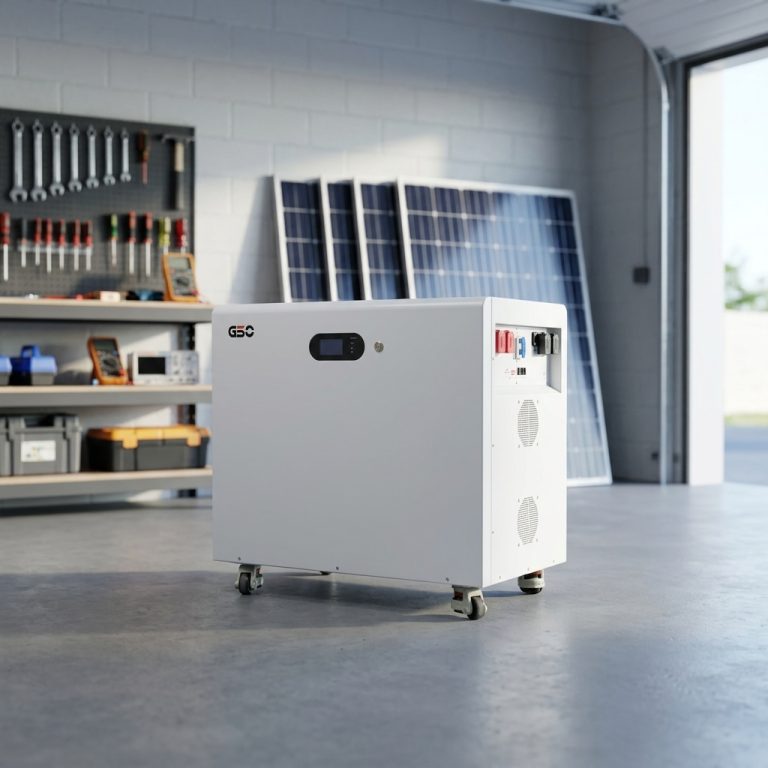
– Ignoring thermal management for a new lithium iron phosphate (LFP) rack installed near existing equipment.
– Overlooking demand charge profile shifts after adding storage, which changes the value proposition.
These are avoidable with early systems engineering review and a clear operational strategy — and they often reduce the gap between projected and realised savings.
Alternatives, examples and an anchor in the real world
Some assets are better off with a full DC-coupled conversion or a hybrid approach. For instance, a large municipal depot I advised in 2023 retained its PV inverters but added modular AC-coupled racks to expand capacity without shutting operations — a decision that kept capital costs lower and achieved measurable peak shaving within months. That practical outcome mirrors broader market experience during recent winter supply stresses across Europe, which highlighted the value of flexible dispatch and fast-responding storage. When you model alternatives, include capacity fade, BMS firmware lifecycle and potential grid services revenues alongside simple arbitrage.
How to evaluate options — checklist and quick metrics
Compare candidates against clear metrics. Use this shortlist when running sensitivity models:
– Net installed cost ($/kWh) including civil & interconnection fees.
– Effective dispatched revenue per kWh over expected life (demand charge reduction, frequency or capacity payments).
– Operational constraints: outage window, inverter compatibility, and BMS interoperability.
Also consult contemporary data on commercial battery storage costs for benchmarking procurement offers.
Practical selection mistakes to avoid — a short aside
Don’t let vendor convenience dictate system architecture — that shortcut can cost more over ten years. — Take commissioning timelines as seriously as unit price, and insist on firmware integration proofs before purchase.
Three golden rules for decision-makers
1. Prioritise least-disruptive integration that meets your operational windows; downtime costs are real and often exceed marginal equipment savings.
2. Model revenue streams conservatively and stress-test against higher-than-expected degradation and lower dispatch revenues.
3. Require interoperable control — a clear handoff between PV inverter, BMS and site EMS prevents stranded capacity and lost value.