
Opening: start with the user’s daily reality
You want big, reliable screens that don’t create more decisions to make—just clearer experiences. For teams buying for apartments, hotels, or education labs, wholesale displays cut cost per unit and ease setup, while single-source bundles like all in one computer deals reduce cable chaos and software mismatches. This piece orients around what people actually need: simplicity, consistent performance, and predictable maintenance.
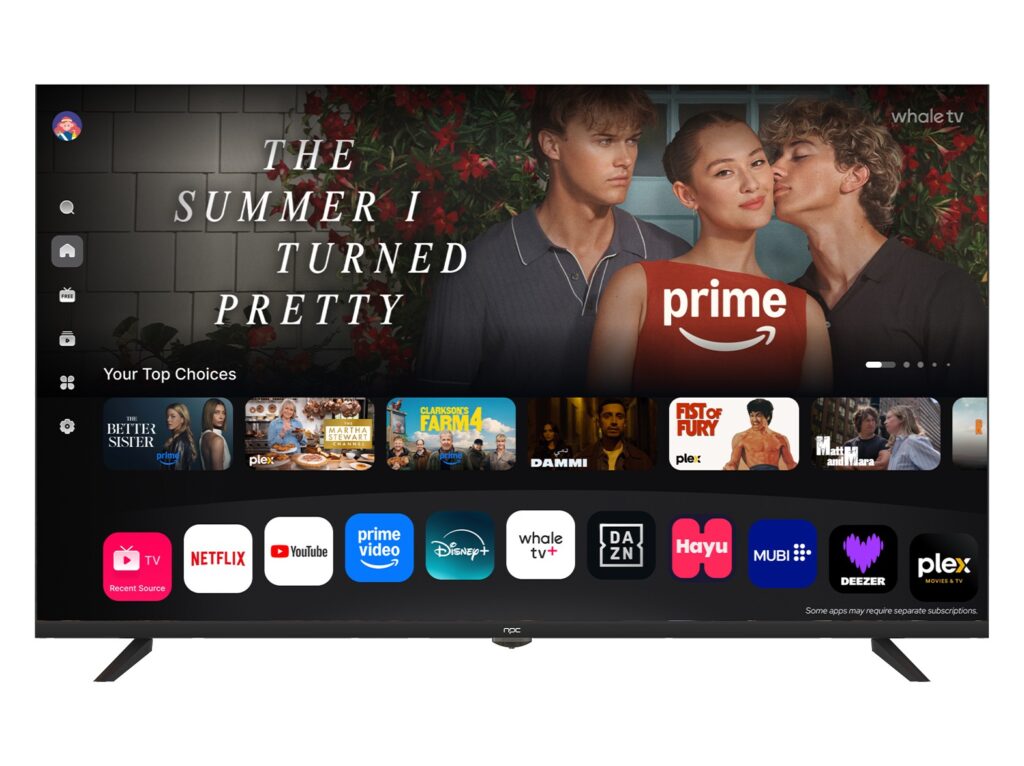
User needs and measurable goals
Users care about three concrete outcomes: readable screens from common viewing distances, consistent color and brightness across units, and minimal downtime. Decision-makers track install time, warranty claims, and user satisfaction scores. Ask: how fast can a non-technical staff member power, connect, and update a display fleet? That question should direct procurement, not specs alone.
How wholesale displays solve user problems
Buying wholesale reduces variability. Same batch, same panel vendor, same calibration window. That consistency translates into fewer support tickets and faster onboarding for front-line staff. When paired with standardized mounts, image sources, and OS images, maintenance becomes procedural rather than improvisational—technicians follow a checklist and moves are predictable.
Alternatives, trade-offs, and where people go wrong
Some teams chase peak specs: top contrast, the latest HDR, tiny bezels. Those features look great in demos but often add cost and complexity without solving the user’s real issues. Other teams mix models to save upfront money and then spend it on repairs. The common mistake is prioritizing headline specs over uniformity and serviceability. If your installers must swap power boards from one brand to another, you’ve bought trouble.
Experience, evidence, and a real-world anchor
I’ve worked with deployment teams that estimate labor in hours per unit; their data consistently shows standardized fleets cut install time by 30–50% at scale. Major industry events like CES in Las Vegas regularly highlight integrated solutions because buyers and vendors both prize repeatable workflows; those showcases are catalysts for standards adoption. For buyers evaluating combined hardware packages, comparing a fleet of displays to a matched all in one system computer often reveals lower total cost of ownership when installation and support are modeled honestly.
Practical checks before you buy
Require a small pilot. Verify that remote management works with your existing network. Confirm spare-part availability and a clear RMA path. Insist on a documented calibration procedure and an image you can clone. Those simple checks separate setups that scale from setups that fray after the first service call.
Closing synthesis
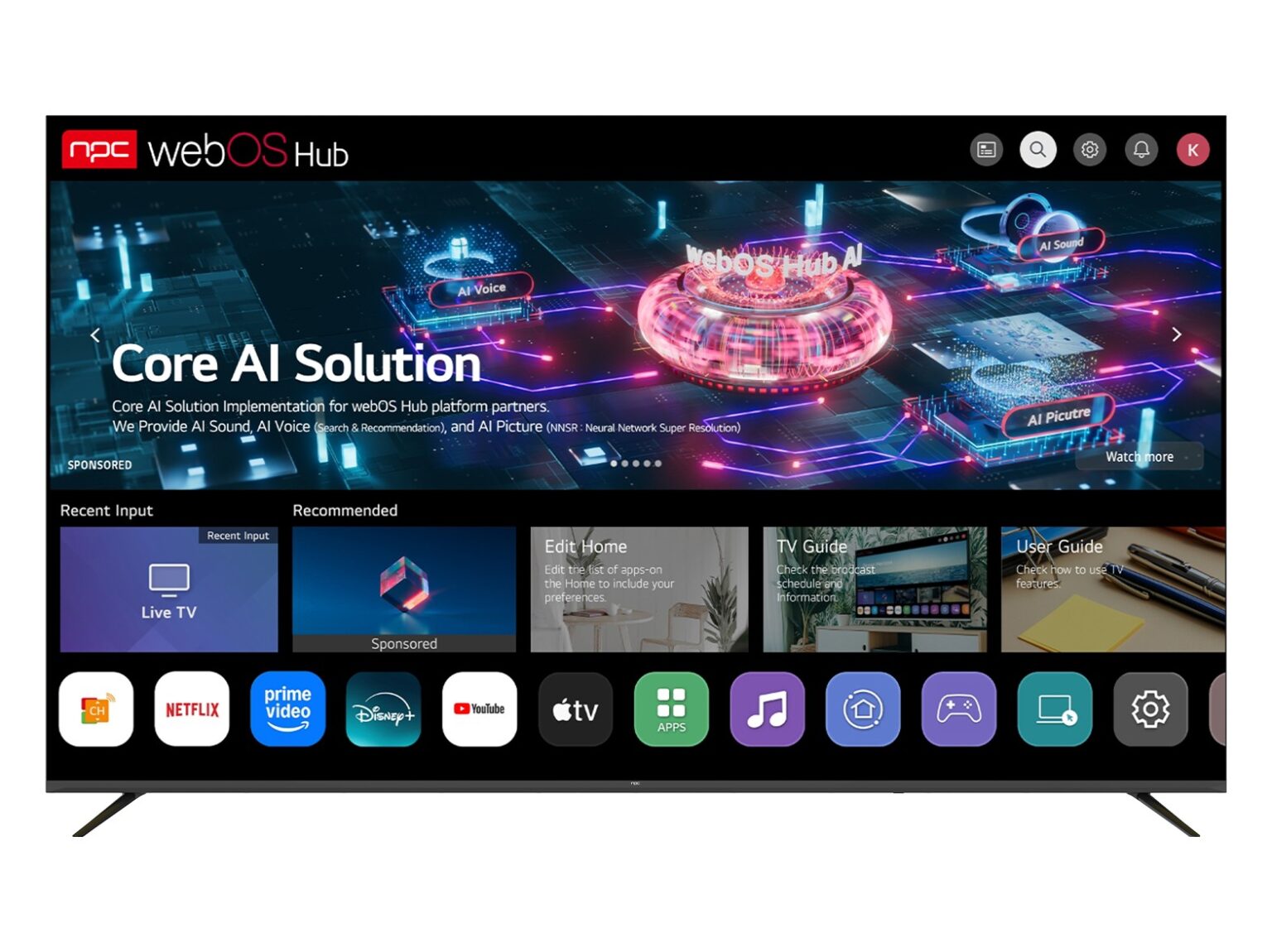
Start from the people who touch the screens every day and buy for their needs: repeatable installs, serviceable hardware, and predictable support. Wholesale displays deliver consistency; paired systems and clear vendor processes deliver simplicity. That combination is where value appears, and it’s precisely the sort of practical alignment a partner like npc can help realize without adding friction.