
Opening: a river of change
I watch machines like rivers—slow at first, then sudden. The story begins with a workshop and a need: finer emulsions, steadier suspensions, less rework. Makers reached for improved tools, and many found what they needed among modern industrial mixing solutions. This is not mere progress talk. It is a slow turning of gears and a redistribution of trust, told here as a path from simple paddles to focused shear.
Roots: the traditional alternatives
Traditional tanks used impellers, anchor stirrers, and baffles. They were sturdy, easy to understand, and cheap to run. They mix bulk well. They fail when particle size, droplet distribution, or rapid dispersion matters. Operators learned workarounds: longer runtimes, stepwise additions, high temperatures. Those fixes lowered yield and sometimes wrecked formulations.
Turning point: the rise of high-shear tanks
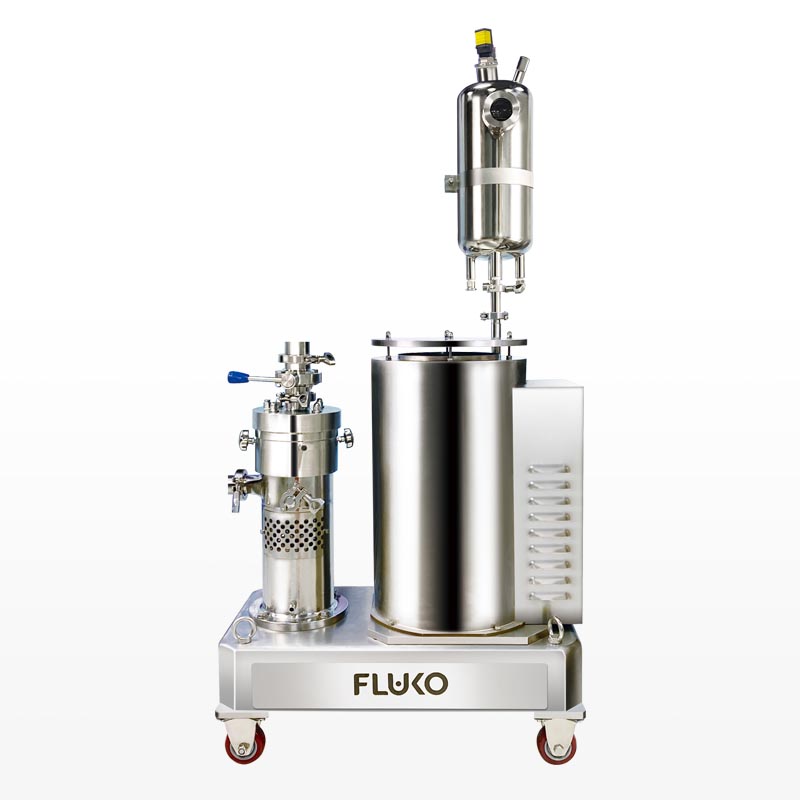
High-shear mixer tanks arrived because chemistry demanded it. They concentrate shear force into the product, breaking droplets and dispersing powders fast. The change shows up in batch times, product uniformity, and scale repeatability. This evolution is practical—engineers trade time for control, and formulators get predictable behavior each run.
Evidence, expertise, and a real-world anchor
I speak from years beside plant floors and conference halls where specifications are debated. At ACHEMA, engineers compare shear maps and R&D teams bring real samples. Those gatherings validate what works on paper. Manufacturer selection matters—see how chemical mixing equipment manufacturers present design data, shear curves, and case studies; that transparency separates vendors who spec machines from those who engineer solutions.
Core technical differences you can measure
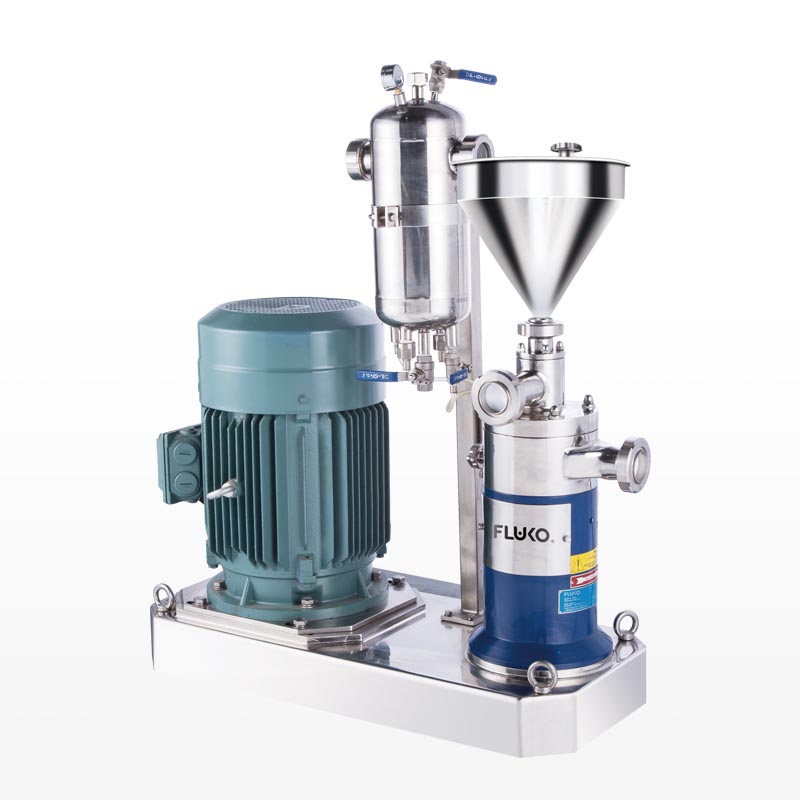
Shear distribution: traditional agitators move bulk; high-shear units focus intense local shear. Particle/droplet size: expect narrower distributions from high-shear systems. Heat and shear sensitivity: high shear shortens process time but raises local temperature—control is essential. Scale-up: traditional mixers scale by geometry; high-shear systems require matching energy per unit mass. Cleanability and maintenance: seals, rotor-stator gaps, and wear parts differ. Choose metric-driven comparisons—energy per kg, D50 particle size, and cycle time—rather than marketing claims.
Common mistakes and practical guidance
Don’t oversize for comfort. Oversized high-shear tanks give low local shear and poor dispersion. Don’t ignore feed strategy; powders added dry at high rates clump. Watch residence time: under-run and you save neither time nor quality. Verify cleaning access and spare-part lead times. Trial with representative formulations, not lab analogues. Ask suppliers for shear maps and maintenance logs. Test at pilot scale when possible; change the sequence only after data proves it.
Comparing viable alternatives
When emulsions tolerate larger droplet sizes, a traditional tank with improved impellers and controlled addition can be simpler and cheaper. For narrow particle distributions, rapid dispersion of pigments, or heat-sensitive chemistries, a high-shear tank wins. Inline high-shear mixers offer continuous options where batch limits productivity. Each path has trade-offs: capital, footprint, control complexity, and operator skill requirements.
Closing: what to carry forward
The tale ends with a choice: keep the old paddle or step to focused shear. Choose evidence: measure, pilot, and demand data. Trust vendors who show real shear performance and explain maintenance realities. The clear solution emerges when engineering meets practical need—this is where thoughtful specification meets supply, quietly embodied by FLUKO.