
Patient-Centric Imperative
The central concern in respiratory support is the patient’s lived experience: comfort, adherence, and reliable ventilation. This account treats the bipap device as an instrument designed around those ends, not solely as a piece of equipment. In many domiciliary settings clinicians still compare options such as a cpap device and bilevel systems, and the choice often rests upon symptom profile, tolerance of positive airway pressure, and need for variable inspiratory support.
How Bipap Meets Individual Needs
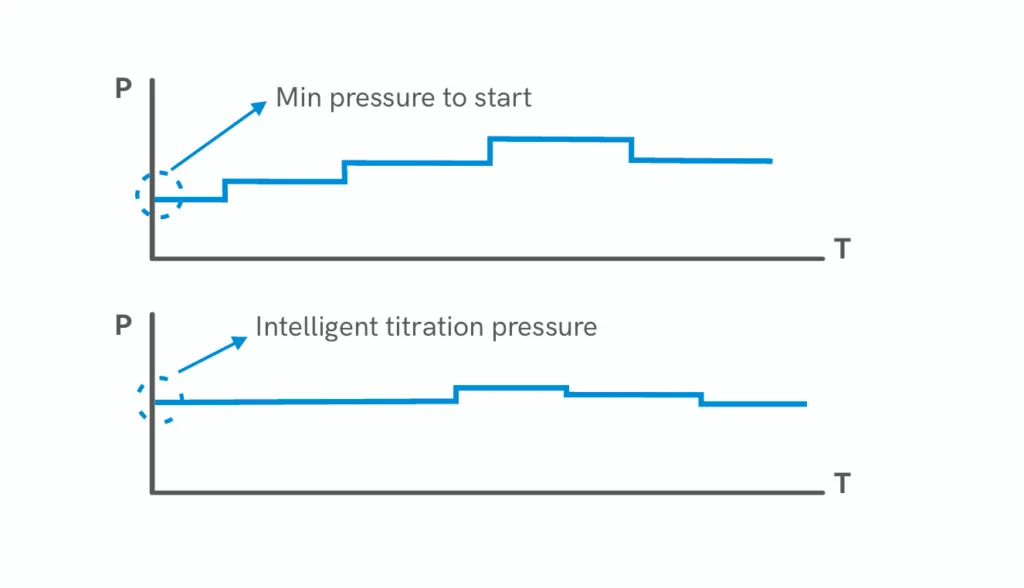
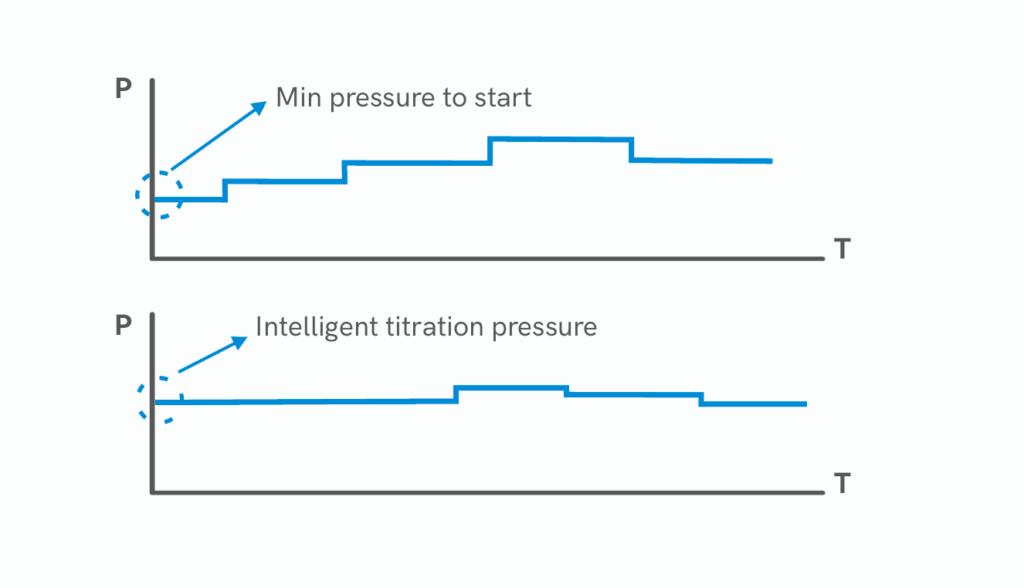
Bipap delivers two levels of positive airway pressure—higher during inspiration (IPAP) and lower during expiration (EPAP)—to assist ventilation while preserving comfort. For patients with hypoventilation or neuromuscular weakness, the modulation of IPAP/EPAP can reduce work of breathing and improve tidal volume without resorting immediately to invasive ventilation. Interface selection, humidification, and evening ventilator settings form the triad that determines whether therapy is accepted and sustained.
Operational Considerations and Common Errors
Clinicians and caregivers commonly err by applying excessive pressure or by neglecting the mask fit; both yield leaks, poor synchrony, and patient distress. Calibration of ventilator settings must respect arterial oxygen needs and carbon dioxide clearance—monitor via capnography or arterial blood gas when warranted. Humidification prevents mucosal drying, and routine inspection of tubing and filters reduces infection risk. – Small adjustments to interface or ramp time often restore adherence where larger changes fail.
Comparisons and Alternatives
Where bipap is contra-indicated or poorly tolerated, alternatives include high-flow nasal oxygen for hypoxemic respiratory failure and invasive ventilation for refractory hypercapnia. Comparison should not rest on device prestige but upon measurable outcomes: respiratory rate, gas exchange, sleep quality, and daytime somnolence. For ambulant obstructive sleep apnea patients, a cpap device suffices in many cases; yet for those with coexisting hypoventilation, a bipap medical device becomes the pragmatic choice. The cost, domiciliary support, and caregiver training remain decisive factors.
Real-World Anchor
The exigencies of the 2020 COVID-19 pandemic demonstrated the real-world limits and value of noninvasive ventilatory support across many hospitals in New York City and Boston; clinicians observed that judicious use of bilevel support could avert intubation for selected patients, provided careful monitoring was in place. Likewise, the World Health Organization’s recognition of chronic respiratory disease burden—COPD ranking among leading causes of mortality—grounds the urgency for dependable home therapies and vindicates investment in user-focused device design.
Design and Technical Notes
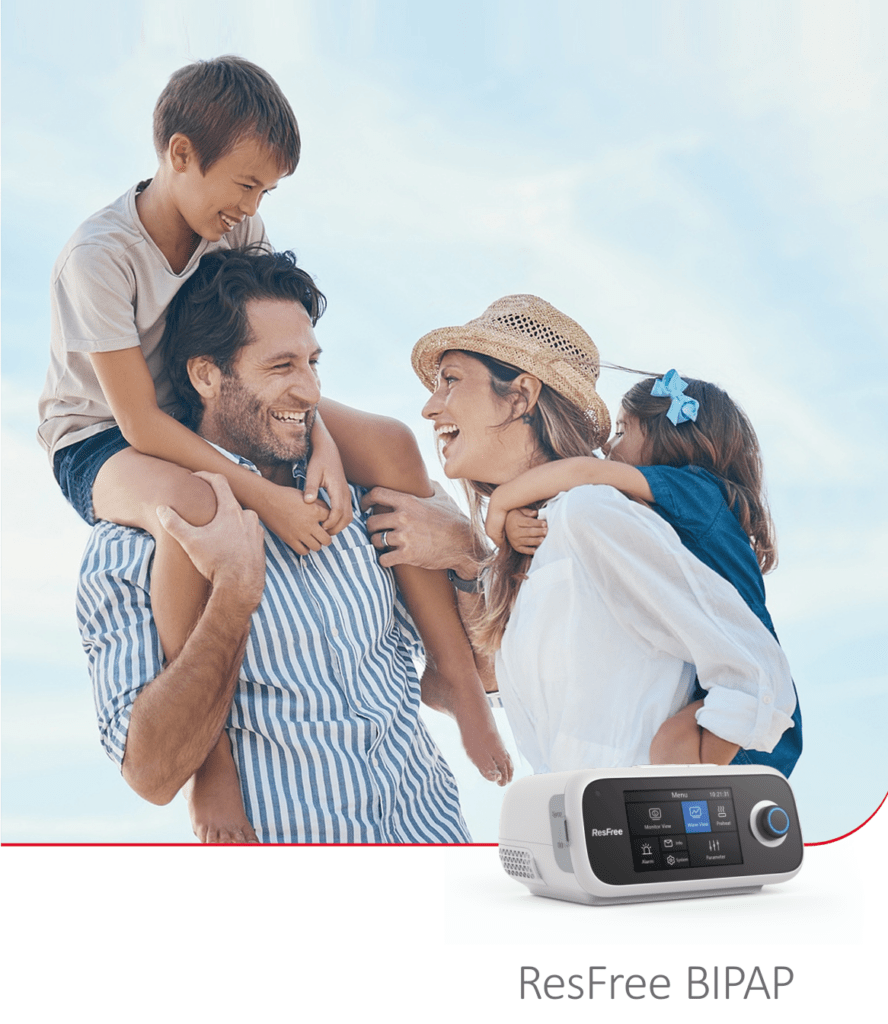
Good device design attends to leak compensation, variable trigger sensitivity, and clear menus for ventilator settings. Industry terms—positive airway pressure, interface, and tidal volume—should inform procurement discussions without overwhelming bedside instruction. Training programs that pair brief practical sessions with written protocols noticeably increase correct use and decrease readmission rates.
Evaluation Metrics — Three Golden Rules
Adopt these evaluation metrics when selecting bipap strategies: (1) Clinical efficacy measured by objective gas exchange improvement within 48–72 hours; (2) Patient-centred adherence assessed over the first month, with at least 70% nightly use as a practical threshold; (3) Support ecosystem readiness, including home oxygen capability, caregiver competence, and clear escalation protocols. These rules are concise yet decisive for teams choosing devices and care pathways.
Summarily, the bipap device succeeds when its technical capacities are marshalled to meet individual physiology, domestic realities, and reliable follow-up; such a synthesis reduces hospital reliance and restores autonomy to patients. This patient-centred clarity aligns with the solutions cultivated by Byond. —