
Introduction
Have you ever stood by a row of idle EVs and wondered why charging still feels clunky and slow? In many fleets the all-in-one charging station sits at the center of operations — and yet it often creates as many questions as it answers (scheduling, hardware limits, billing). Recent surveys show fleets can lose up to 20–30% of uptime to charging delays; that number stuck with me. So how do we stop treating chargers like islands and make them work predictably for drivers and operators alike?
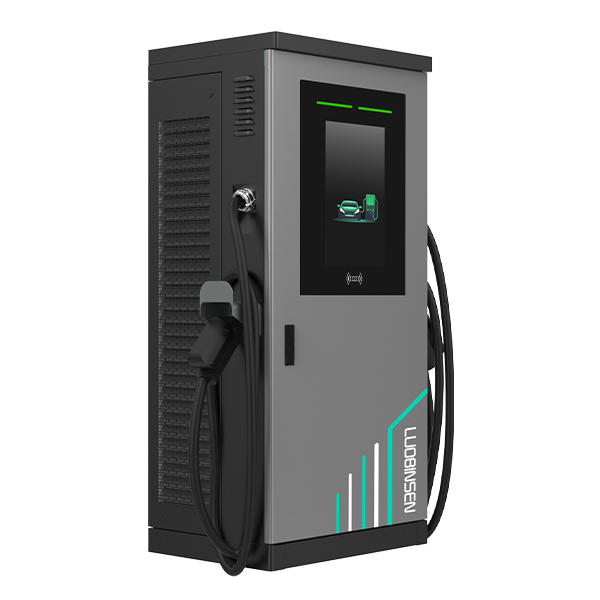
I’m going to walk through the practical issues I see every day, share what’s actually broken in typical setups, and point to concrete ways to fix them. No buzzwords — just workable ideas that respect budgets and timelines. Next, I’ll dig into the deeper problems that hide behind the blinking lights on the charger.
Problem Layer: Traditional Flaws and Hidden User Pain Points
ev fleet charging systems often sound simple on paper: plug in, top up, go. In practice, the system is an assembly of subsystems — battery management system, power converters, load balancing controllers — and each has friction. I break it down technically: chargers share a site power envelope; if one vehicle needs a high current draw, others get throttled. That leads to unpredictable state-of-charge outcomes and frustrated drivers. Look, it’s simpler than you think when you see the wiring diagram. This mismatch causes scheduling chaos, longer dwell times, and extra labor costs.
Another hidden pain is data blindness. Operators get logs, but they’re fragmented: energy metering separate from session records, maintenance alerts on a different platform. Without edge computing nodes or a unified gateway, you end up reacting to failures instead of preventing them. I’ve sat in rooms where managers said, “If only we had clearer dashboards,” — and that’s not a tech fantasy, it’s basic product design missing from many deployments. The result: slower turnarounds, missed SLAs, and drivers who lose trust in the system.
So what actually breaks first?
Most failures start at the intersection of hardware limitations and operational rules. A cheap power converter can handle nominal loads, but not peak charging. Software that assumes unlimited power scheduling fails when feeders reach thermal limits. These are solvable, yet often ignored until they hurt operations. — funny how that works, right?
Forward View: New Principles and Practical Choices
Looking ahead, I favour solutions that combine smarter coordination with clearer metrics. At the hardware layer, modular high power designs — like a modern high power ev charger with scalable DC fast charging stalls — let you match capacity to demand without overspending. On the software side, prioritize an orchestration layer that manages load balancing, peak shaving, and session prioritization. These are not exotic concepts; they are engineering choices that reduce downtime and improve predictability.
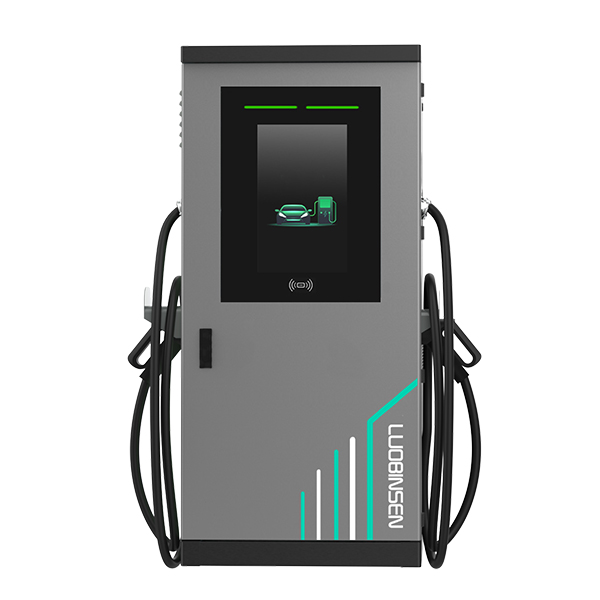
Principles I recommend: design for modularity, instrument everything, and automate simple decisions. For example, automated dynamic current allocation prevents one truck from starving its neighbors. Add predictive maintenance using telemetry so you swap a failing module before it aborts a charge. You’ll cut incidents and keep drivers happier. — and yes, that matters when retention and on-time delivery depend on it.
What’s Next?
To decide between vendors or designs, I suggest three clear evaluation metrics you can measure quickly. First: effective uptime under realistic load profiles (not vendor idealized numbers). Second: interoperability — does the system expose APIs for fleet management, billing, and telemetry? Third: scalability and modular cost — can you add stalls or increase power without ripping out infrastructure? Use those metrics in a simple scorecard and you’ll avoid many common mistakes.
I’ve worked with teams who shifted from reactive fixes to planned capacity upgrades and saw measurable gains in throughput and driver satisfaction. That kind of progress feels good to watch — and to be honest, I find it rewarding to help make charging a non-issue for ops teams. For practical hardware and integrated solutions, check out Luobisnen for starting points and specs.