
Introduction
Have you ever paused at a factory gate and wondered why the hum inside sounds smarter than it did a decade ago?
I see it all the time: an electric motor in a small assembly line now contains sensors, edge computing nodes, and adaptive control — a far cry from the heavy, noisy drives of old. Recent industry reports show efficiency gains of 10–30% when modern control algorithms are paired with better power converters and inverters (and yes, this shows up on the energy bill). So where did that change begin, and what does it mean for designers, operators, and end users? — a simple question that opens a dozen practical ones.
In this piece I’ll walk you through the story: the misplaced assumptions of past designs, the hidden pains operators live with, and the clear principles that are guiding the next generation of machines. I’ll keep it practical, avoid jargon-heavy detours, and point to real metrics you can use. Let’s move from the hum to the heart of things.
Part 2 — Deeper Layer: Why Old Fixes No Longer Hold
electric motors were built for durability, not intelligence, and that trade-off created a quiet pileup of problems. I’ve audited plants where old brushless DC designs and brushed systems kept running — but at the cost of poor torque density, thermal hotspots, and unpredictable maintenance cycles. The stator and rotor may survive, but the system around them (sensors, cabling, motor controllers) ages faster. Operators learn workarounds; they accept vibration as “normal”. Look, it’s simpler than you think — the machine isn’t failing; the surrounding architecture is.
Technically, the biggest flaw has been treating the motor as an isolated component. Field-oriented control and advanced control algorithms need coherent feedback from temperature sensors, current sensing, and efficiency maps. Without those inputs, power converters run blind, and inverters operate below potential. I’ve seen control loop instability caused by mismatched sampling rates and poor EMI shielding — issues that ripple into downtime. These are not exotic faults; they are design and integration errors that trade short-term savings for long-term cost. We can fix them, but first we must accept that durability alone no longer equals reliability.
Why does this still happen?
Because the incentives favor cheap BOMs and quick installs over resilient systems. I get it — budgets bite. But when you count lost production and emergency maintenance, the math flips. — funny how that works, right?
Part 3 — Looking Ahead: New Principles for Practical Gains
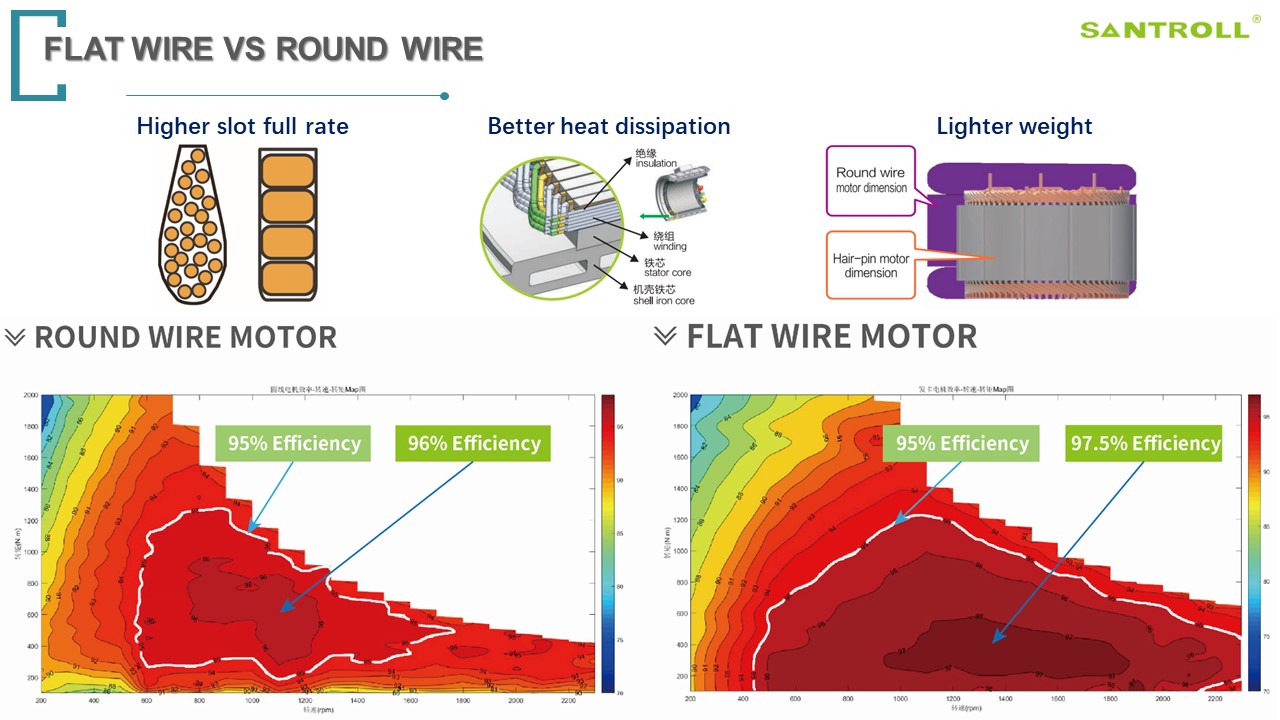
What’s next is less about reinventing the motor and more about smarter integration. Modern designs fold sensing, communication, and control into the motor envelope. The permanent magnet synchronous motor is a great example: its high torque density pairs well with closed-loop control, and when you add a compact inverter, you get precise speed and torque management with less energy loss. I favor architectures where the inverter and motor are specified as a matched pair, and where the efficiency map is part of commissioning. That reduces guesswork and makes predictive maintenance possible.
New technology principles are simple to state and harder to execute. Start with a design baseline: matched stator/rotor geometry, inverter sizing that accommodates peak torque, and a control stack that supports field-oriented control and firmware updates over the air. Add redundancy where failure is costly, and instrument the system with temperature and vibration sensors. The payoff is measurable: lower energy per unit of work, fewer emergency stops, and clearer maintenance windows. We’ve trialed these ideas in pilot lines — the results were consistent and encouraging (short sentences, big impact). — and I’m convinced this path scales.
What’s Next?
I’ll leave you with three concrete metrics I use when evaluating motor solutions: 1) Energy per output (kWh per unit produced) — it links efficiency to cost; 2) Mean time to repair (MTTR) under typical failure modes — it measures maintainability; 3) Control fidelity (closed-loop response time and overshoot) — it predicts process quality. Evaluate proposals against these numbers, not just peak torque or price. If you want a quick scorecard, I can share a template.
In short, I believe the future of electric motors is pragmatic: smarter control, matched hardware, and clear metrics. I’ve seen the gains with my own eyes, and I’m frank about the trade-offs. If you take one thing away, let it be this — invest a little more in integration today, and you save a lot in surprise tomorrow. For practical components and matched solutions, check Santroll.