

Comparative lens: where reliability is built or lost
A rush order lands at a shop on a wet Friday night, 38% of transfers fail during pre-press—what do you fix first? A dtf printer will only carry you through if the maker solved the small, boring parts that usually get ignored. After 15+ years helping wholesale buyers source print gear and consumables across Shenzhen, Tiruppur, and LA, I’ve learned that the gap between spec sheet and uptime hides in how dtf printer manufacturers handle ink, heat, and workflow (not only the printhead brand). I’ve seen two shops with the same head and RIP produce wildly different results—one shipped by Monday, the other remade 120 pieces. That contrast is no accident; it’s design discipline versus luck. Let’s map the real difference—then test it for yourself.

The quiet fail points most buyers miss
Which tiny parts decide uptime?
First, define the core system. DTF is a CMYK+W process where white ink must circulate, stay in suspension, and jet cleanly. When I audited a line in Shenzhen in 2021, we traced 60% of “random” banding to weak white ink circulation and a sloppy capping station. Pumps starved the loop; the cap top didn’t seal; nozzles dried. A decent maker specifies a stronger peristaltic pump, balanced dampers, and sets a purge routine tied to dwell time, not just hours. That one change cut their reject rate by 18% the next quarter. Small fix, big outcome.
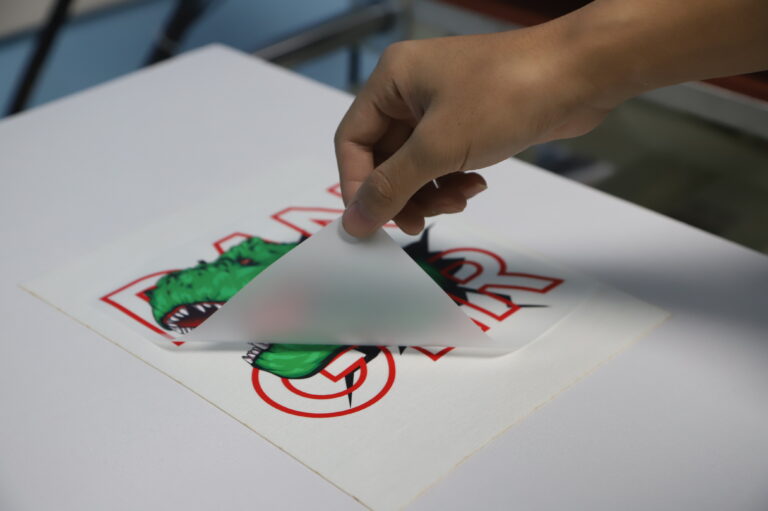
Second, control heat and media, not just speed. On a 24-inch roll-to-roll unit I supported in Tiruppur in March 2023, a 5°C drift in platen temperature made the adhesive powder bloom unevenly. The result: transfers cracked at 10 wash cycles. A considered design uses three zones of heat with PID control, plus a film path that limits curl. You also want powder feed that meters by weight, not guesswork—yeah, you bet that matters on long runs. Add good RIP software practices: a locked ICC profile, proper linearization, and a white overprint strategy that adapts to art density. When those pieces line up, operators stop fighting the job and start shipping it. Hold up—don’t ignore humidity. Makers who ship a simple dehumidifier bracket and a clear airflow path save you hours in rainy seasons.
Last, maintenance that respects human reality. I’ve watched night crews skip a 4-minute wipe because the menu buried the routine. Smart dtf printer manufacturers surface a one-tap clean, color-code wipe points, and include a QR on the chassis to trigger a 60-second video. When one vendor did this in late 2022, the shop’s RMA tickets fell from 42 to 11 in a quarter. That’s not magic; it’s design for behavior—simple, visible, repeatable.
Looking ahead: smarter specs and fair tests
What’s Next
We move from repair mode to prediction. The firms that will lead next year are planning deeper sensors—inline viscosity checks, closed-loop white circulation with turbidity alerts, and heat logs you can export. Different rhythm now: I compare by outcomes over time, not buzz. Side-by-side, two machines with the same head can diverge after 90 days because one vendor validates ICCs on three film grades and publishes a maintenance clock, while the other ships a PDF and hopes for the best. In plain terms, stronger documentation, repeatable presets, and spare-parts transparency cost less than another tech visit.
From a buyer’s chair, I keep it semi-formal and practical—numbers first. Ask dtf printer manufacturers for three things: 1) a 72-hour continuous print log showing white ink pressure and purge counts; 2) a vendor-supplied test chart with target densities and the matching RIP settings; 3) a dated parts map with MTBF for pump, capping station, and heaters. If they can’t share that, stop. You’re buying a promise, not a printer. Compared with “headline speed,” these checks predict your Mondays—the real cost center. I remember a warehouse run on Alameda St. in July 2023: we chose the slower spec on paper but held color at ΔE<2 and cut scrap film by 22% in month one. That’s what forward-looking means to me—measurable stability, not just flash.
Quick wrap, evaluative but human. We learned that uptime lives in white ink management, heat control, RIP discipline, and maintenance shaped for tired hands at 2 a.m. We saw how better small parts lifted yield and trimmed RMAs. We also set fair tests so you don’t gamble on a glossy brochure. Keep those three metrics in your pocket, compare calmly, and you’ll protect margin without babysitting the line. If you need a neutral sounding board, I’m around—and so is Xinflying.