
Introduction
Ever notice how the promise of “miracle skin fixes” sounds louder than the actual results? I do — and I roll my eyes, but I also pay attention to the numbers. In many clinics, a commercial red light therapy bed sits like a high-tech altar; clinics buy flashy LED arrays and call it a day (yep, even the brochures brag). Recent industry figures suggest adoption is up by double digits, yet reported satisfaction lags behind adoption — so why the gap?
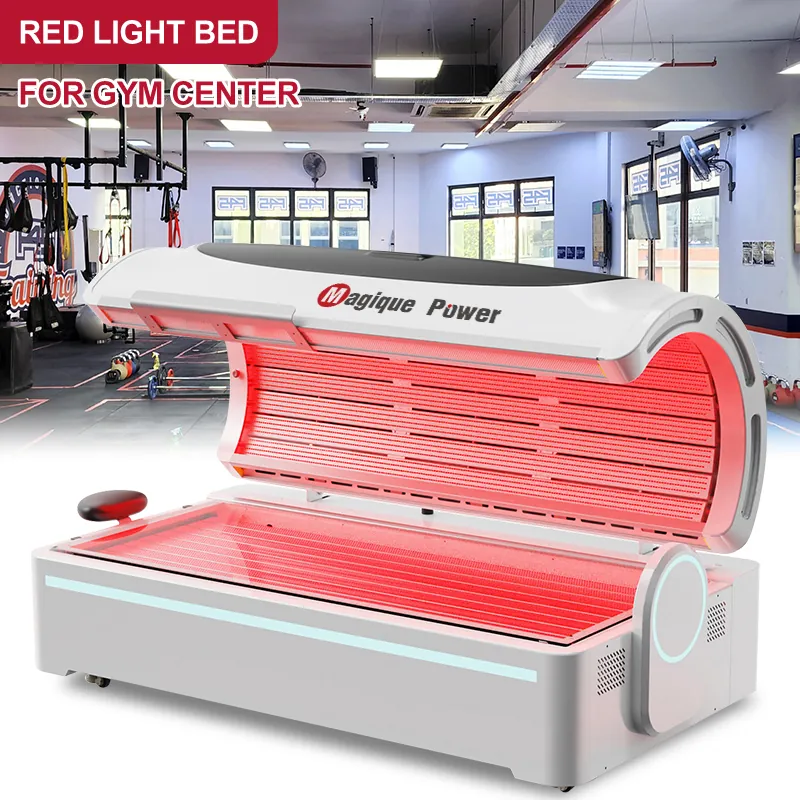
Consider this: devices marketed for collagen stimulation often tout wavelength and photon flux but neglect practical details like irradiance mapping or heat sink design. I ask this plainly: are we buying equipment or buying marketing? — a serious question if you’re a clinic owner or a practitioner trying to help people. Let’s move from the hype to what actually matters next.
Hidden Flaws in Traditional Solutions
I want to be blunt: many traditional setups miss the point. If you’re shopping, you might see a listing for a red light therapy bed for sale and assume all beds are equal. They’re not. A common flaw is uneven LED density and poor irradiance uniformity — the result is hotspots and cold zones on the skin. That undermines photobiomodulation and leaves clients with inconsistent outcomes. I’ve tested several rigs; some hit peak irradiance in a narrow band while the rest of the panel underdelivers. It’s maddening — and avoidable.
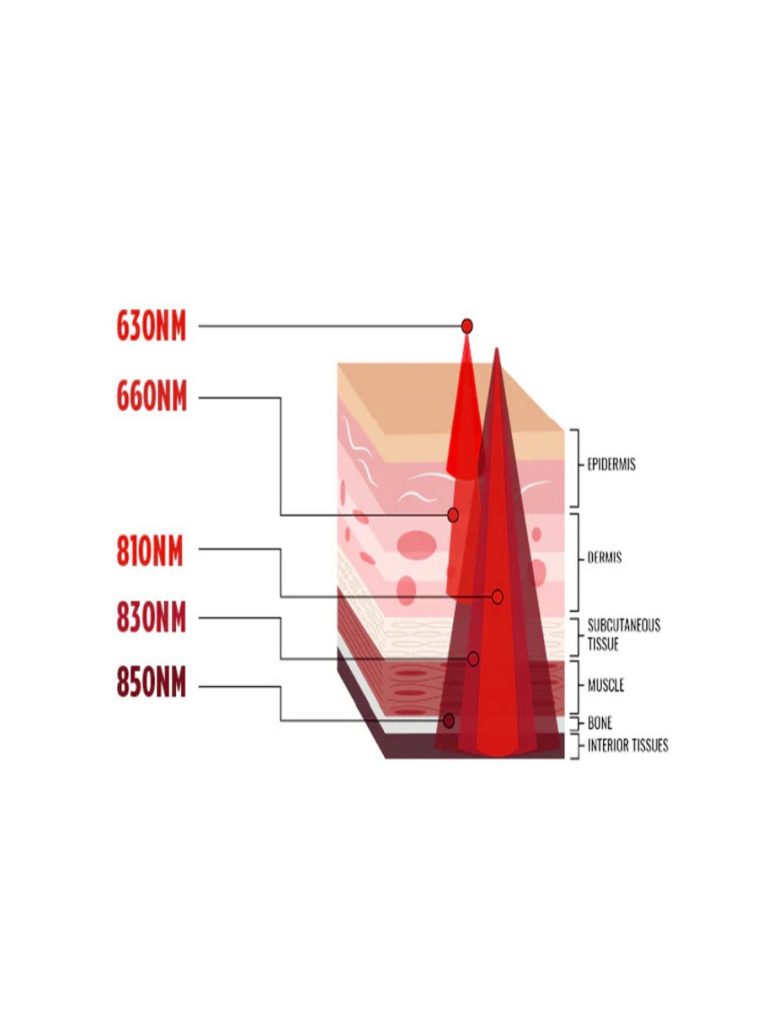
Second, manufacturers shortcut on power electronics. Cheap power converters produce flicker or drop in output under load. That means the promised wavelength (usually 630–660 nm for red, 810–850 nm for near-red) isn’t delivered consistently. Wavelength alone doesn’t guarantee effect; you need stable photon flux, good thermal management, and calibrated output. Look, it’s simpler than you think: consistent irradiance plus correct wavelength equals repeatable results. Providers who skip calibration are selling a roll of the dice.
Why does calibration matter?
Because patients respond to dose, not to brand names. Without irradiance maps and routine verification, you’re guessing at treatment parameters. I’ve seen clinics change protocols because the bed’s output reduced over months — no alerts, no maintenance plan. That’s a hidden user pain point: invisible decay. It affects trust and outcomes.
New Technology Principles and What Comes Next
Looking ahead, I believe the solution sits at the intersection of better electronics and smarter design. Modern beds are moving toward modular LED arrays with built-in irradiance sensors and closed-loop control. When I evaluate a unit now, I check for active feedback, thermal throttling safeguards, and clear photometric specs. A reliable option like a well-specified red light therapy bed for sale should list peak irradiance, beam dispersion, and maintenance cycles. Those specs tell me whether the device will stay effective over time — and whether my clients will notice real change.
There’s also a shift toward integrated software for protocol tracking. Edge computing nodes in a unit can log sessions, alert on output drift, and recommend service. This matters for clinics scaling treatments — data keeps you honest and improves outcomes. I like that approach because it brings measurable control to something that used to be guesswork. — funny how that works, right?
Real-world Impact
In practice, I’ve seen three clear benefits when clinics move to tech-forward beds: more consistent patient outcomes, fewer service interruptions, and higher retention. That’s not theory; it’s what happens when irradiance, wavelength, and software are treated as a system rather than separate features. The ROI shows up in repeat bookings and fewer complaints. Still, technology alone won’t save you — staff training and clear protocols do. I always emphasize that to teams I work with: equipment is a tool, not a miracle worker.
How to Choose Wisely — Three Key Metrics
I’ll leave you with three practical metrics I use when evaluating beds. These are simple, measurable, and they tell you whether a product is worth your time (and money):
1) Measured Peak Irradiance — confirmed with a calibrated meter at treatment distance. If the spec can’t be independently verified, discount it.
2) Wavelength Consistency & Bandwidth — make sure the device delivers the wavelengths linked to collagen stimulation (red and near-red) with minimal drift.
3) System-Level Reliability — look for power converters rated for continuous duty, thermal management, and built-in diagnostics. If it lacks data logging, ask why.
I care about these because I’ve seen all the failures. I prefer practical evidence to marketing promises. If you follow these metrics, you’ll pick a bed that truly supports patient outcomes — not just pretty brochures. For reliable options and clear specs, consider brands that publish test data and support service. You’ll save time, money, and frustration.
For deeper product details and to explore thoughtfully engineered solutions, check Magique Power. I’m not endorsing fluff — I want equipment that performs and teams that know how to use it. That’s how you turn potential into real results.