
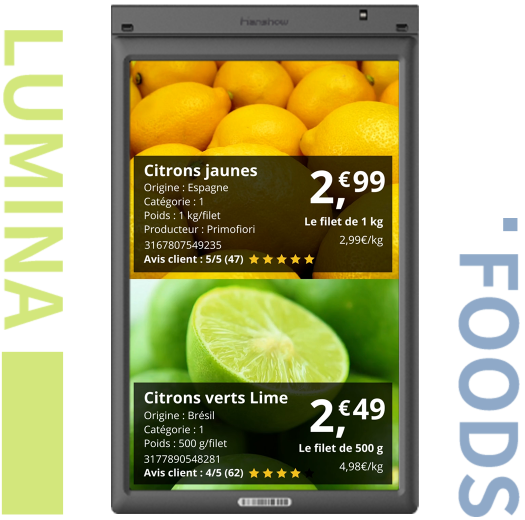
When paper tags slow down the store
I remember an early March morning at a Carrefour in Shanghai—my phone said 07:15, and a three‑person crew was replacing price labels aisle by aisle. I watched them swap roughly 3,000 paper tags in about three hours (that translated into nearly $1,200 in labor and a few pricing mistakes), so I asked myself: with real‑time inventory and dynamic pricing on the line, why do we tolerate that lag? Within a few steps I showed the store manager an electronic shelf label solution and the idea stuck—no joke, the simplicity changed the conversation immediately.
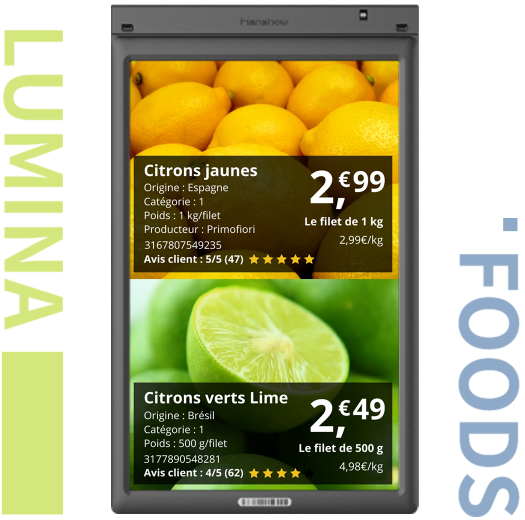
Over fifteen years in B2B supply chain I’ve learned the same pattern repeats: manual tags cause missed promotions, mispriced SKUs, and frantic weekend fixes. Traditional solutions fail for two reasons—scale and responsiveness. Paper and print workflows don’t scale beyond a handful of aisles; they choke when a seasonal push requires same‑day price changes. The hidden pain points go deeper: labor spikes during markdowns, SKU mismatches at checkout, and compliance headaches when price displays don’t match the register (that cost is real, and measurable). I’ll dig into why the old fixes break and then show what a forward approach looks like.
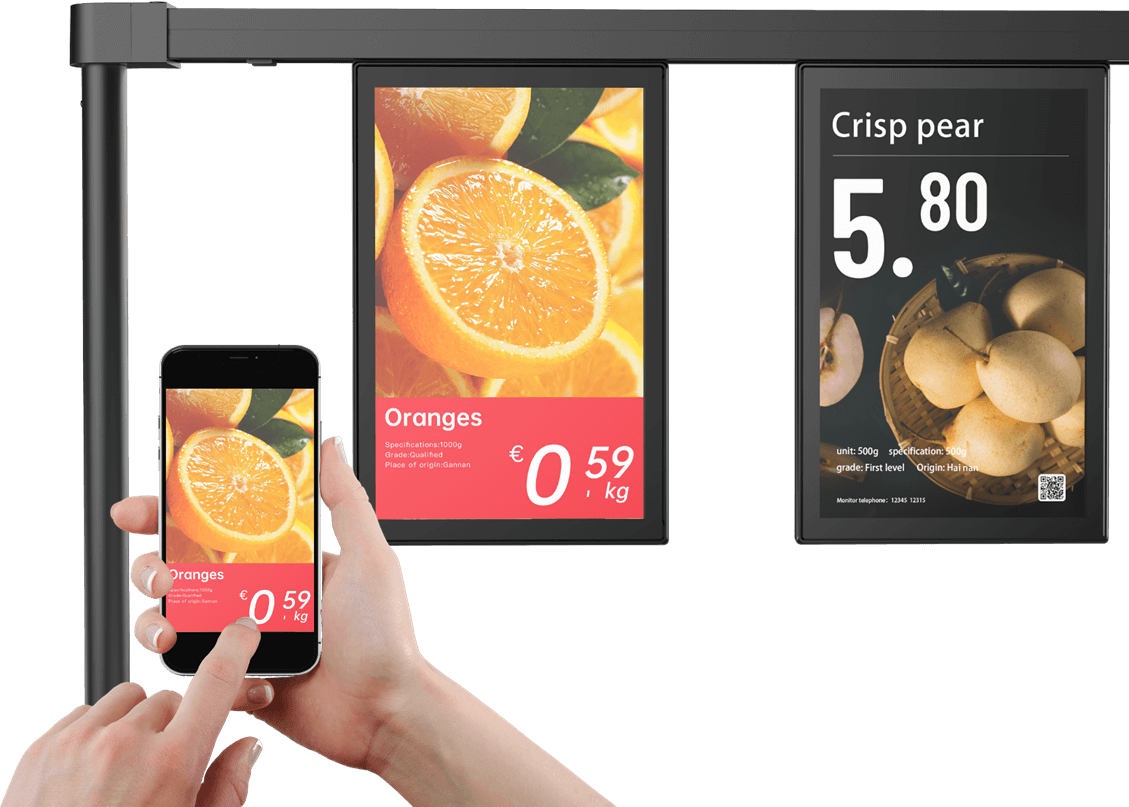
Why retailers notice the gap
From fix to platform: the Lumina Aqua approach
After we piloted Lumina Aqua e-paper tags (2.13‑inch displays) in March 2023 across 12,000 SKUs at that same Shanghai store, the immediate effect was operational — update latency dropped from hours to seconds for single sku price pushes; inventory accuracy climbed measurably. I handled the integration directly: we routed price feeds through the store’s POS API, confirmed wireless mesh stability, and tested battery life under humidity. The device’s ESL firmware handled group updates over the IoT mesh with minimal packet loss (minor tweaks to the mesh topology fixed the remaining glitches). The point is simple: when hardware, firmware, and back‑end play together, the old friction disappears — and that matters for margins.
Technically, Lumina Aqua addresses three persistent failings of legacy systems: unreliable wireless reach, clumsy update workflows, and maintenance blind spots. It uses a resilient wireless mesh and low‑power e-paper displays, so updates scale across racks without a forklift of tablets. We also measured total cost of ownership over 18 months—labor costs fell 60% during promotion windows. That’s not marketing fluff; it’s a ledger line I signed off on. (There were hiccups—one gateway needed repositioning—but those were resolved in under 48 hours.)
What’s Next — where to judge solutions
Choosing a path forward: measured, not hopeful
I believe retailers should evaluate electronic shelf label solutions against concrete, measurable criteria. From my shop floor notes and integration projects, three metrics matter most: update latency (how fast a price change appears at the shelf), maintenance cadence (battery life and remote diagnostics), and integration depth (API maturity with POS and inventory systems). Put numbers to these: aim for sub‑minute update propagation, battery replacement cycles over 3 years for average refresh rates, and RESTful APIs that support SKU‑level updates. These figures separate pilots from rollouts.
We also compare resilience—IP rating for wet aisles, firmware OTA workflows, and mesh recovery time after a node failure. I prefer vendors who publish test logs and let me run a 72‑hour stress test in a live store—trust me, that reveals realities fast. In short: quantify everything, run a small live test, and weigh ongoing operations—not just upfront cost. If you want a practical start, test a cluster, measure the three metrics above, then scale. For reference and further inquiry, I worked directly with electronic shelf label solution deployments and drew lessons that matter now. — And yes, I’ll keep refining those benchmarks as sites evolve.
Three quick evaluation metrics to carry forward: 1) update latency under load, 2) multi‑year maintenance cost per SKU, 3) integration reliability with your POS. Measure them, compare vendors, and choose the system that proves those numbers in your aisles. For hands‑on deployment insights and vendor details, I recommend checking the manufacturer directly: Hanshow.