
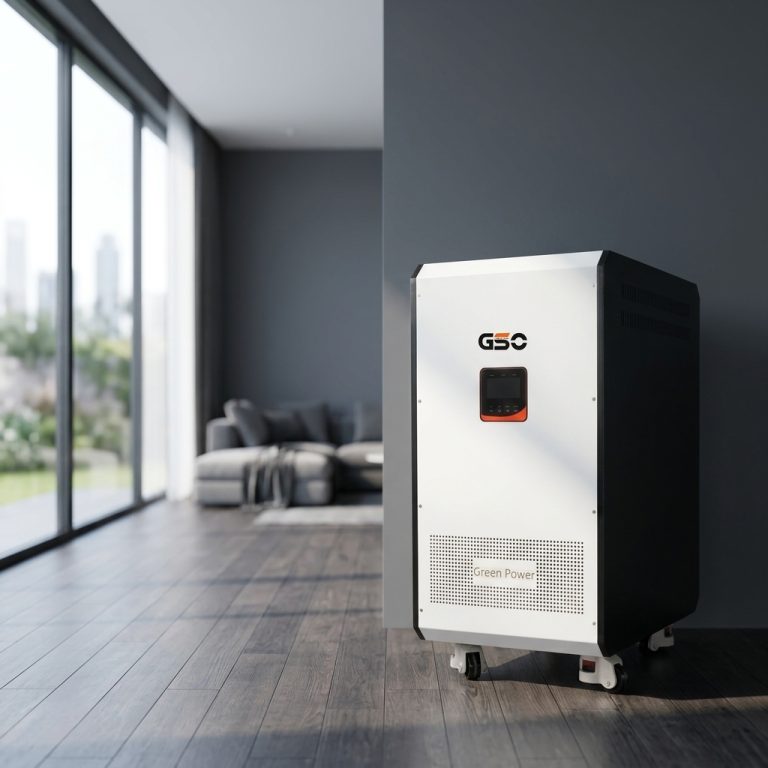
Problem overview: why continuous 1C cycles matter
Commercial systems running continuous 1C charge/discharge cycles show faster capacity loss than expected. For sites with heavy daily dispatch—microgrids, industrial loads, or community storage—the repeated stress reduces cycle life and hurts round-trip efficiency. Operators in Malaysia and beyond need pragmatic tactics for maintaining uptime and value from solar battery storage while keeping maintenance costs sensible, lah.
Mechanics of the damage: C-rate, DoD, and heat
High C-rate cycling (1C means full charge or discharge in about one hour) speeds up electrode wear and side reactions. Depth of discharge (DoD) and state of charge (SoC) windows also drive calendar and cycle degradation. Heat amplifies the problem: internal resistance rises, causing extra losses and capacity fade. These are standard engineering factors, so planners should treat them as predictable, not mysterious.
Real-world anchor: lessons from public safety outages
When California used Public Safety Power Shutoffs to reduce wildfire risk, many commercial sites relied on batteries for multi-hour resilience. The stress exposed how repeated high-rate cycles degrade cells faster than warranties imply—an industry lesson seen worldwide. Designers responded by tightening SoC control and improving thermal systems—practical changes that worked on the ground.
Practical strategies to slow degradation
Start with operational controls. Limit C-rate bursts where possible and use power electronics to shave peaks rather than force the battery into 1C continuously. Narrow the usable SoC window; running between 20–80% SoC often yields far better cycle life than full-range cycling.
Second, manage temperature actively. Forced-air cooling or liquid thermal management keeps cell temperatures stable during repeated 1C cycles and preserves chemistry. Third, choose the right chemistry—cells optimised for high cycle life handle sustained 1C work better than consumer-focused formats. Finally, monitor key metrics (SoC, cycle count, internal resistance) to spot early degradation and adjust dispatch profiles.
When design choices matter: balance and trade-offs
Reducing DoD or peak power can mean larger nameplate capacity or higher inverter sizing—trade-offs that cost capex but extend service life. Use simulation and simple stress tests during commissioning to understand how a site’s duty cycle maps to expected cycle life. This upfront sizing prevents surprise early replacements.
Common mistakes installers make
One: treating all lithium chemistries the same. Different chemistries tolerate 1C cycles differentially. Two: ignoring battery management system (BMS) tuning—default SoC limits often aimed at residential use, not heavy commercial dispatch. Three: neglecting cabling and thermal paths; poor heat dissipation negates expensive cell choices. Fix these and you get far better real-world longevity.
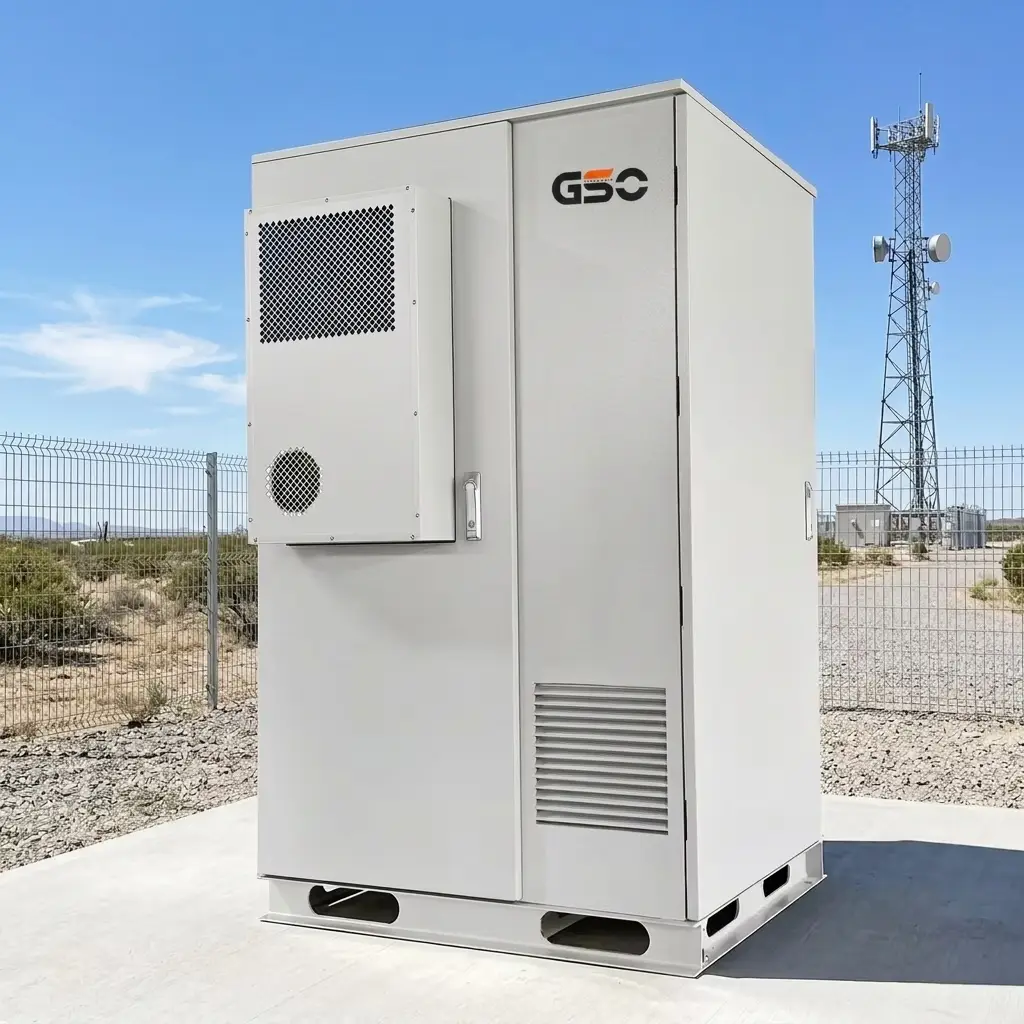
Alternatives and product choices
If continuous 1C is unavoidable, consider batteries specified for industrial cycles and look for vendors with verified cycle-life data under 1C regimes. Hybrid systems—battery plus flywheel or supercapacitor for short bursts—can reduce battery stress. For longer backup, pairing with optimised PV curtailment strategies reduces the need for aggressive battery cycling. When comparing vendors, check published round-trip efficiency and validated cycle life under real duty profiles.
Summary and action checklist
Operators should combine three things: smarter dispatch (limit C-rate and SoC swing), robust thermal design, and correct chemistry/BMS choices. Monitoring for internal resistance growth gives an early warning so teams can adapt before capacity loss becomes business-impacting.
Advisory: three golden rules for selection
1) Prioritise vendors with verified cycle-life data under 1C for heavy-duty use. 2) Insist on thermal management and BMS tuning as part of the contract, not optional add-ons. 3) Use metrics: expected cycles to 80% capacity, round-trip efficiency at your duty cycle, and guaranteed DoD—these three tell you if the system will last. For real projects, integrating the right partner for engineering and long-term service makes the difference—this is where practical value shows up, as many operators learned during events like California’s PSPS.
gsopower — practical systems, sensible engineering, and experience that matches real on-site needs.