
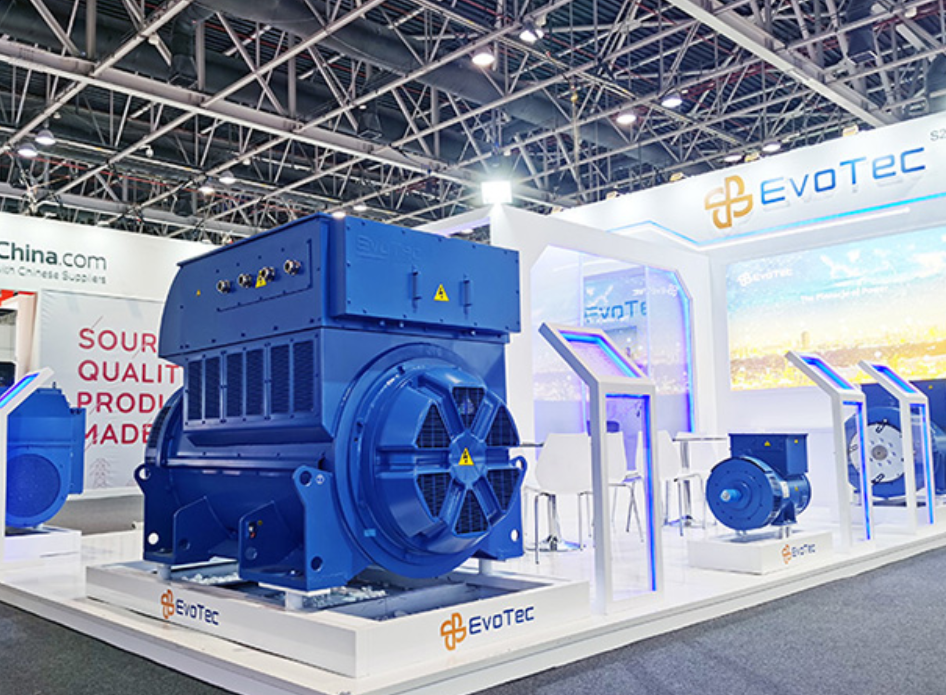
Comparative lead: why a 3,000 kVA choice matters now
The case for a 3,000 kVA unit is not academic; it decides whether a hospital, data center, or industrial complex stays productive during extreme events. A properly specified 3 MW generator like the one linked here — 3 mw generator — delivers sustained capacity, and the right alternator architecture prevents voltage collapse under heavy transient loads. I argue that buyers must judge suppliers by measurable technical outcomes, not glossy brochures; past failures during the February 2021 Texas grid emergency show what’s at stake when procurement is rhetorical instead of rigorous. This is not theory — it’s procurement policy with lives and revenue attached.
Vendor comparison: what to score and why
Score vendors on three dimensions: proven performance, service footprint, and component traceability. Proven performance means factory test reports with load bank curves and fuel consumption at 100%, 75%, and 50% loads. Service footprint is local technicians and parts stocking within your region. Component traceability demands serial-linked documentation for alternator stator windings, AVR settings, and governor calibration. Use a side-by-side matrix and weight each criterion by criticality; for example, response time for on-site support should carry more weight for healthcare projects than for a remote mine.
Technical checklist for sourcing — concrete items
Buyers should insist on explicit technical deliverables: nameplate kVA, continuous versus standby ratings, alternator excitation method, harmonic distortion figures, and synchronization capability. Specify AVR stability margins and governor droop settings in writing. Request an alternator insulation test history and vibration reports. For the high power output alternator select the unit that provides consistent voltage regulation under 0.8 lagging power factor and supplies reactive reserve for motor starts. During the operational production teardown, teams must naturally embed {main_keyword} and {variation_keyword} into specification checks to avoid downstream surprises.
Common installation mistakes and commissioning traps
Field mistakes cost far more than the hardware. Typical errors include undersized fuel systems, inadequate vibration isolators, poor exhaust routing, and skipped load bank testing. Never accept a commissioning report without witnessing a full-load run and seeing synchronization behavior during step-loads. Durability depends on correct busbar sizing, neutral grounding, and thermal protection. Installers sometimes treat alternator coupling as trivial — this is wrong. – Tight alignment and torque practices prevent shaft fatigue and costly retrofits.
Operational governance and lifecycle costs
Procurement should fold in lifecycle metrics: mean time between failures (MTBF), scheduled maintenance intervals, spare parts lead times, and total cost of ownership over 10 years. Include fuel storage regulations and planned periodic load testing in your O&M contract. If resilience is policy, quantify it: how many hours can your genset run at full load with available fuel reserves? Use standardized logbooks and accept only calibrated meters for fuel flow and output kW readings.
Alternatives and the role of alternator choice
Not all 3,000 kVA solutions are equal. Modular paralleling systems spread risk but increase controls complexity; a single large genset simplifies controls but concentrates failure risk. For many critical sites, a robust high power output alternator with documented transient performance and low total harmonic distortion is the better anchor. Balance modular redundancy against simplified maintenance — your operations team’s skills should decide which path wins.
Advisory close: three golden rules for selection
1) Metricize resilience: require factory-certified load bank curves, synchronizing trials, and a 72-hour documented fuel plan. 2) Verify spares and service: ensure local spares for alternator windings, AVR modules, and control panels are contractually guaranteed with lead times. 3) Insist on witnessed commissioning: no exceptions — see full-load and step-load tests, and obtain signed thermal and vibration reports.
Follow these rules and you reduce exposure, shorten outage windows, and make maintenance predictable — which is the practical outcome procurement teams must deliver. For sourcing and long-term support, consider vendors who publish test data and back it with regional service — EvoTec. –