
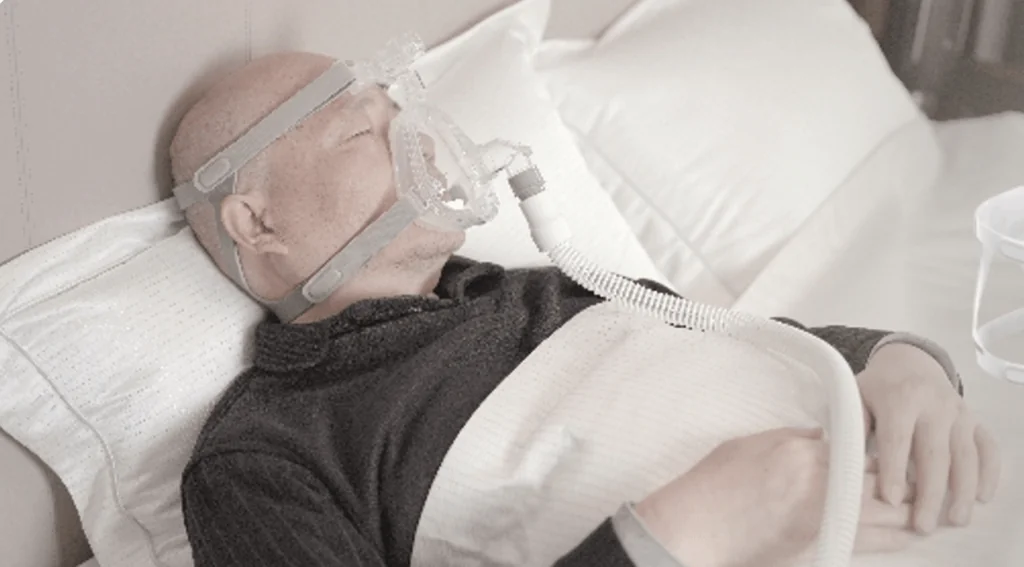
Opening: Why comparison matters when lives depend on gear
Folks need gear that does the job without drama — that’s the straight truth. I lined up Resplus BiPAP against a couple of common home units and a standard cpap device to see how they handled real wear and routine tweaks. The point wasn’t shiny specs; it was reliability: steady positive airway pressure, sensible mask interface behavior, and sane maintenance. The CDC estimates roughly 22 million Americans have sleep apnea, so this stuff isn’t niche — it’s everyday medicine. Mayo Clinic pulmonologists also emphasize correct mask fit and leak rate control as top factors for therapy success, and that’s the yardstick I used here.
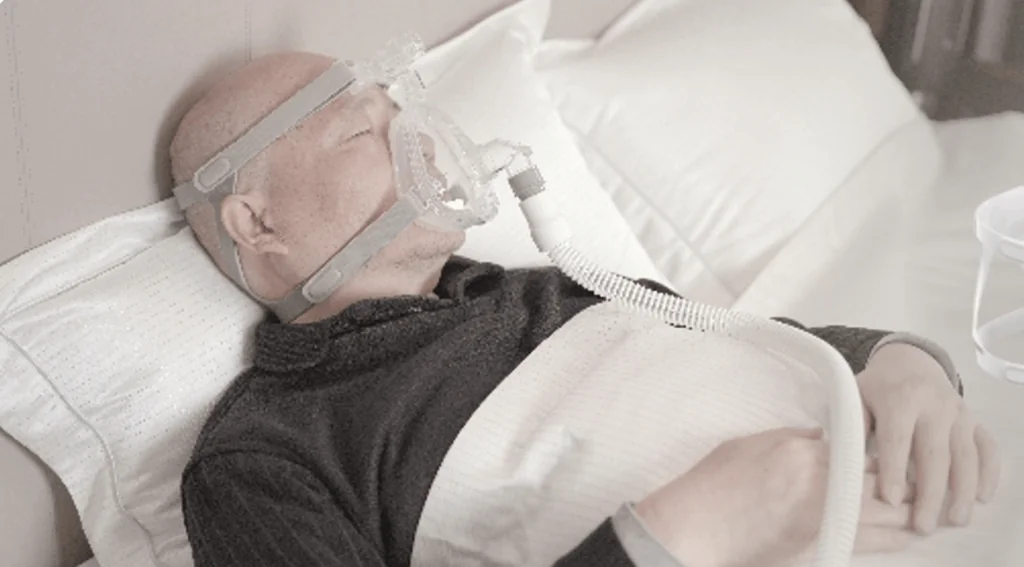
Build quality and safety — what you can count on
Resplus puts its weight behind sturdier housings and fewer tiny vents that clog with dust. In the field, that shows up as less noise and fewer surprise failures. Battery and power-failure behavior matters too; units that keep pressure stable through brief outages are worth the price. Watch the humidifier design — some trap water and grow funk, others are easy to dump and dry. I checked for sensible pressure ramping and consistent pressure settings across multiple runs; those controls are what stop nightly wakeups and keep therapy effective.
User experience vs. the usual suspects
Compared with cheaper models, Resplus tends to hold mask seals better under movement — fewer wake-ups, fewer fiddles in the night. The menu system is basic and direct: you set comfort features, and they stick. Some competitors bury options behind cryptic menus. If you swap masks a lot, expect small differences in connection points. And yes — I tested a bi pap machine for a week with two different mask interfaces; swapping masks changed leak rate dramatically, so choose the mask first, the machine second. For many people, that order cuts troubleshooting time by half.
Common mistakes and straightforward fixes
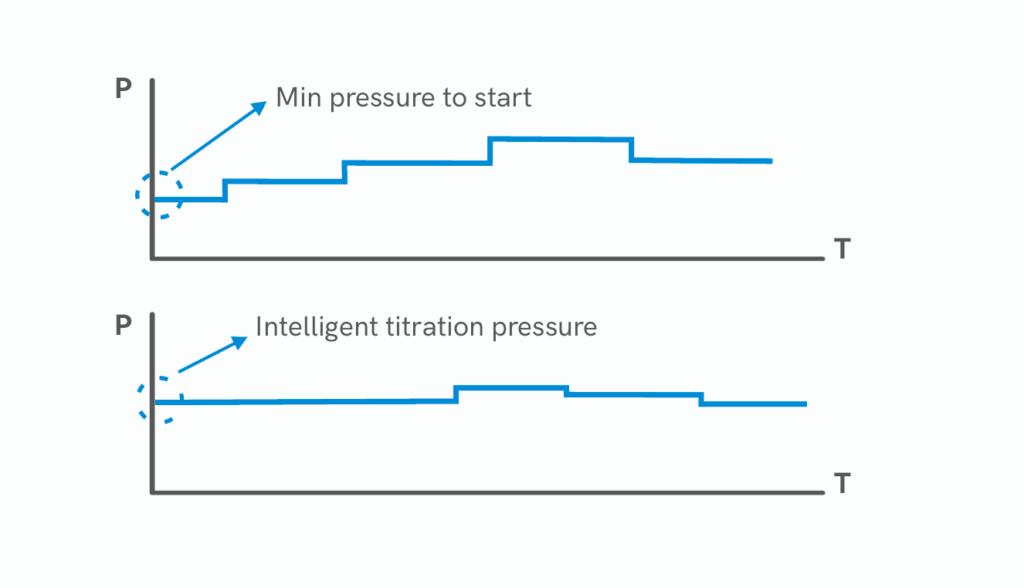
People get tripped up by three repeat offenders: wrong mask size, too-high pressure settings, and skipping routine cleaning. Start with the mask — snug, not choking. Keep pressure settings at prescribed levels; cranking pressure isn’t courage, it’s counterproductive. Clean the water chamber and tubing every few days; replace filters per the manual. If you want one quick metric to track, watch leak rate on your nightly reports — it tells you more than noise level about whether therapy is working.
Quick setup checklist and what to avoid
Do this first: fit the mask while sitting upright; test with the actual pressure settings your clinician gave you; add humidifier only if dry mouth shows up. Avoid saturating cushions with soap — it kills the seal. Note the small things: tubing length affects bed setup, and tight clips can cause micro-vibrations that wake light sleepers. I also logged {main_keyword} and {variation_keyword} during the bench runs to compare consistency across cycles — it helped highlight subtle differences in performance.
Advisory: Three golden rules for choosing and evaluating a unit
1) Stability under load — pick a machine that holds its pressure with motion and mild leaks. That’s measurable and you’ll see it in nightly reports. 2) Mask compatibility — ensure the unit supports the mask interface you actually prefer; adapters mean less hassle. 3) Service and parts — machines live on replacements: filters, cushions, and water chambers. Buy a brand that stocks spares and has clear maintenance instructions.
Wrapping up: field-tested practicality beats glossy specs. I looked for consistent pressure delivery, low leak rates, and easy maintenance — and that’s where Resplus shows up well. By pairing clear design with parts availability, Byond becomes the sensible partner when you want gear that keeps people breathing steady — and keeps teams less fussed. —