
Opening: A Comparative Kitchen Note
Think of headwear like a winter stew: each ingredient—fabric, lining, closure—changes the mouthfeel and finish. For someone who sleeps with a protective layer or needs quick outdoor warmth, choosing between a satin-lined beanie and a satin bonnet alters hair texture and moisture like swapping butter for oil. This piece breaks the options down like a tasting menu, scoring tactile comfort, protective performance, and daily handling so you can pick what works for your hair and routine.
Fabric and “Mouthfeel”: Surface vs. Interior
Exterior wool or acrylic gives beanies structure and insulation the way a crust holds a pie; satin lining is the soft glaze inside. Satin’s low friction preserves cuticle alignment—similar to how a gentle emulsion prevents separation in a sauce. Compare weight: heavier knit traps heat better but can press hair flat; lighter knits paired with a smooth satin lining give slip without crushing volume. Test by running fabric between fingers—if it grabs, it will grab hair, too.
Lining Construction: Stitching, Seam Placement, and Heat Management
Seams are where heat and wear concentrate—consider them the browning edges of a roast. A satin lining that’s panel-sewn with flat seams reduces pressure points and reduces hair creasing. Quilted linings add loft for insulation but raise friction. For winter use, a single-layer satin with a thin insulating pad balances warmth and slip; for humid climates, choose breathable weaves that avoid trapping scalp moisture.
Closure Systems: Fit, Security, and Overnight Behavior
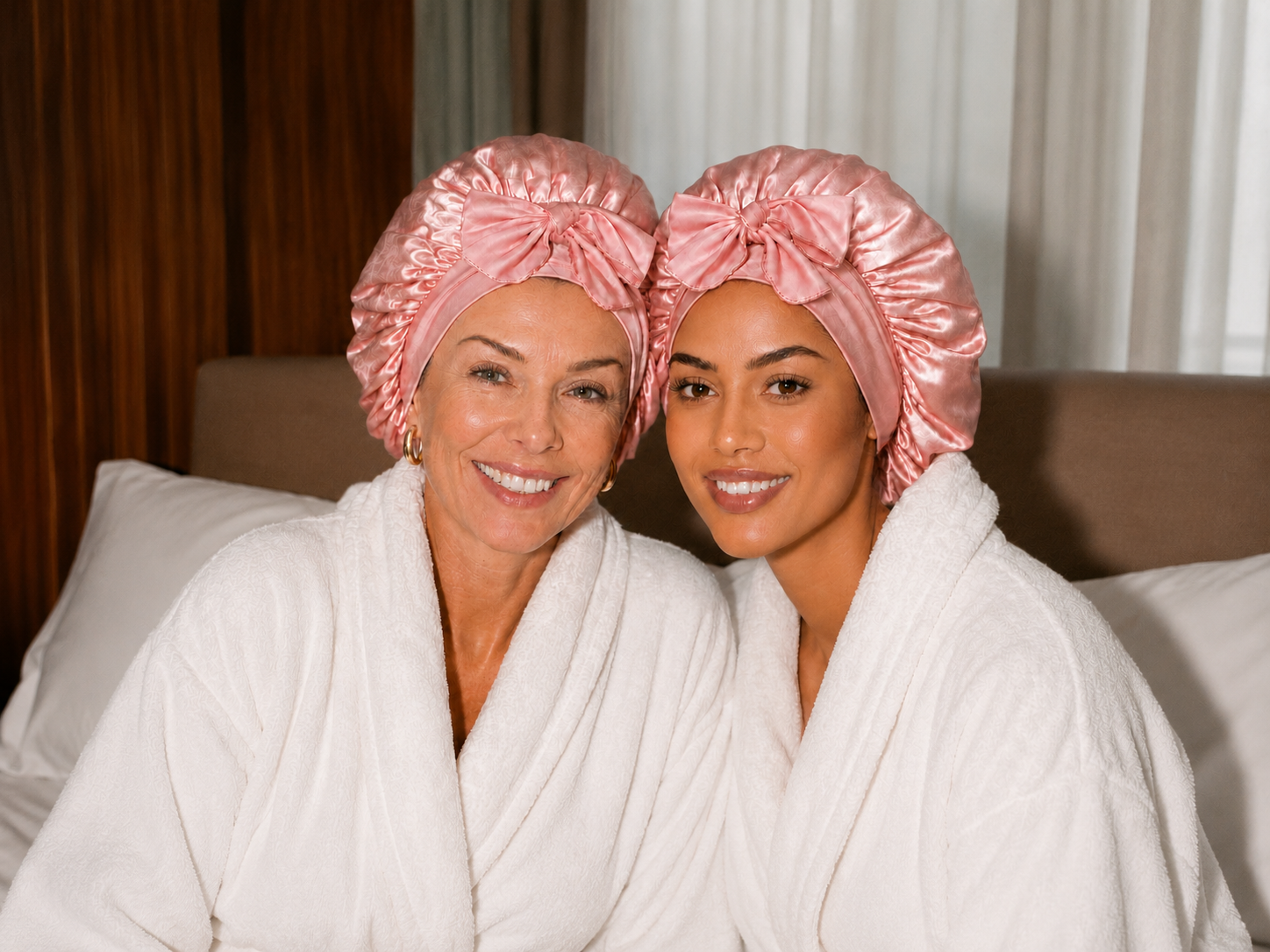
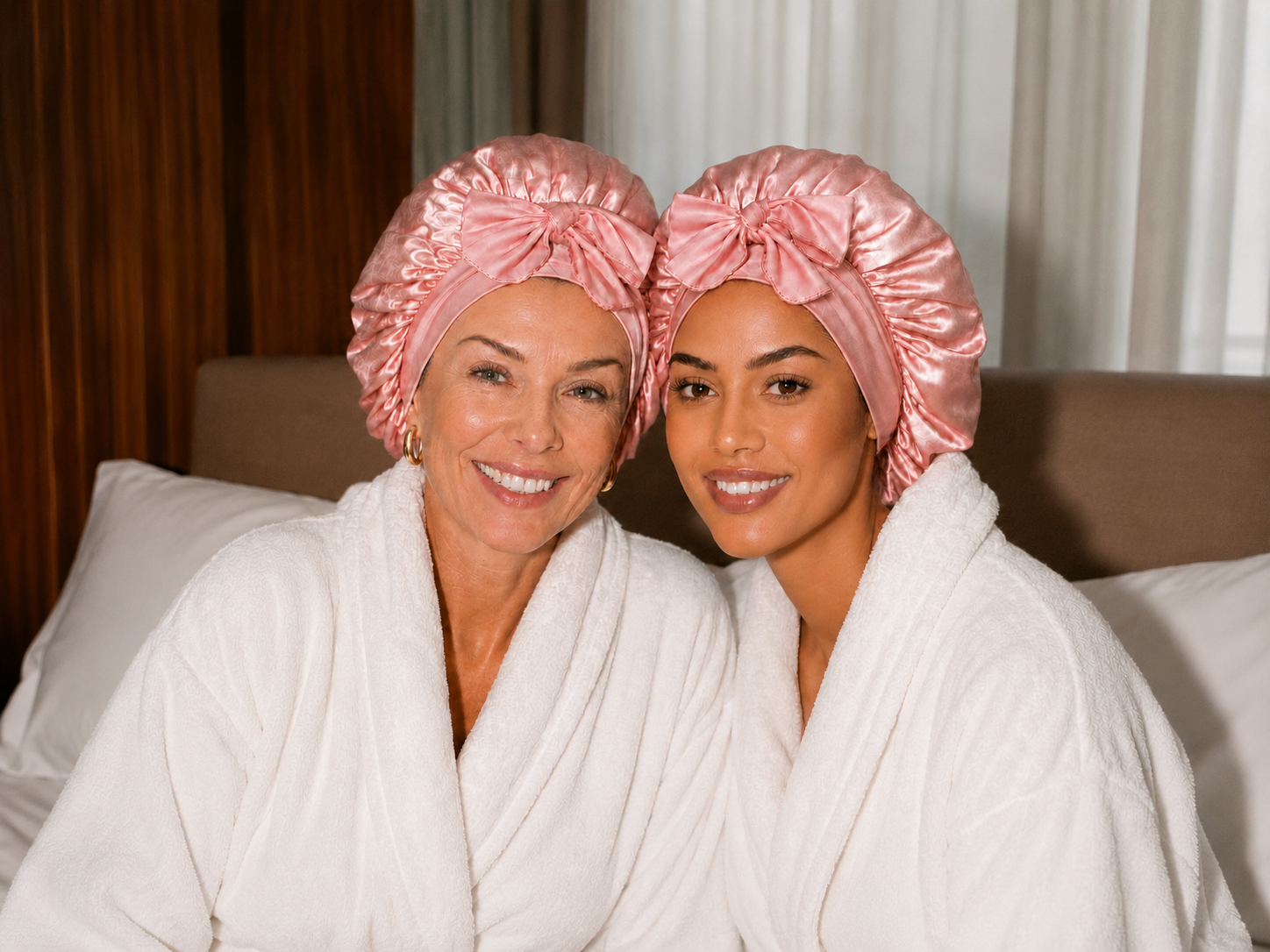
Closure changes how a piece behaves while you move. Elasticized beanies hug like a fitted roast cover; tied systems secure like a butcher’s twine. Ties let you control tension and avoid forehead slippage; elastic can stretch out or constrict. If you toss a lot in sleep, tied designs hold better but require adjustment. Watch for pressure marks—if the tie or band leaves a ridge, it’s doing too much work for your hair.
Evidence from the Floor: Trade Feedback and Practical Tests
Practical testing blends lab checks with salon observations. At the Bronner Bros. International Hair Show, stylists noted preference shifts toward hybrid pieces that combine knit exteriors with secure internal ties that keep satin close to hair without external constriction—this was echoed in product trials where a satin bonnet with tie reduced morning frizz more consistently than elastic-only models. These hands-on reports align with simple friction measurements: lower surface coefficient equals less cuticle disturbance.
Care and Durability: Washing, Shape, and Fabric Fatigue
Washing strategy is culinary precision: temperature, detergent, and agitation change the result. Satin linings prefer gentle cycles and cool water; harsh detergents strip finish and raise friction. Block dry beanies on a form to retain shape; avoid tumble heat that melts sheen. Inspect stitches after wash—puckering or pull-through indicates a design likely to fail in short order.
Common Mistakes to Avoid
Consumers often pick based on exterior style alone. That’s like choosing a loaf for crust without tasting crumb quality. Avoid these errors: buying tight elastic for “secure fit” at the cost of scalp circulation; choosing heavy insulation for mild climates; assuming all satin is equal—fiber origin (polyester vs. silk) affects slip and longevity. Check tie construction: thin cord under tension can cut into hair; broad fabric bands distribute pressure.
Alternatives and Short Evaluations
Skull caps with satin panels: compact and low-profile, good for commuting. Full silk bonnets: best for minimal friction but poor at trapping winter heat. Convertible beanies with removable liners: flexible but add points of failure. Each alternative answers a different need—pick by which criterion you prioritize: warmth, friction reduction, or adjustability.
Final Synthesis: Choosing the Right Combination
Match needs like flavors: if overnight protection and morning smoothness matter most, favor internal ties and continuous satin contact; if street wear and insulation come first, pick a structured knit with a reliable satin lining. The practical tests and stylist feedback show hybrid pieces often provide the best balance. For a dependable starting point that blends thoughtful lining design with secure fit, consider selections available through yanibest, where construction details are listed so you can compare by the technical factors that actually affect hair health and comfort.