
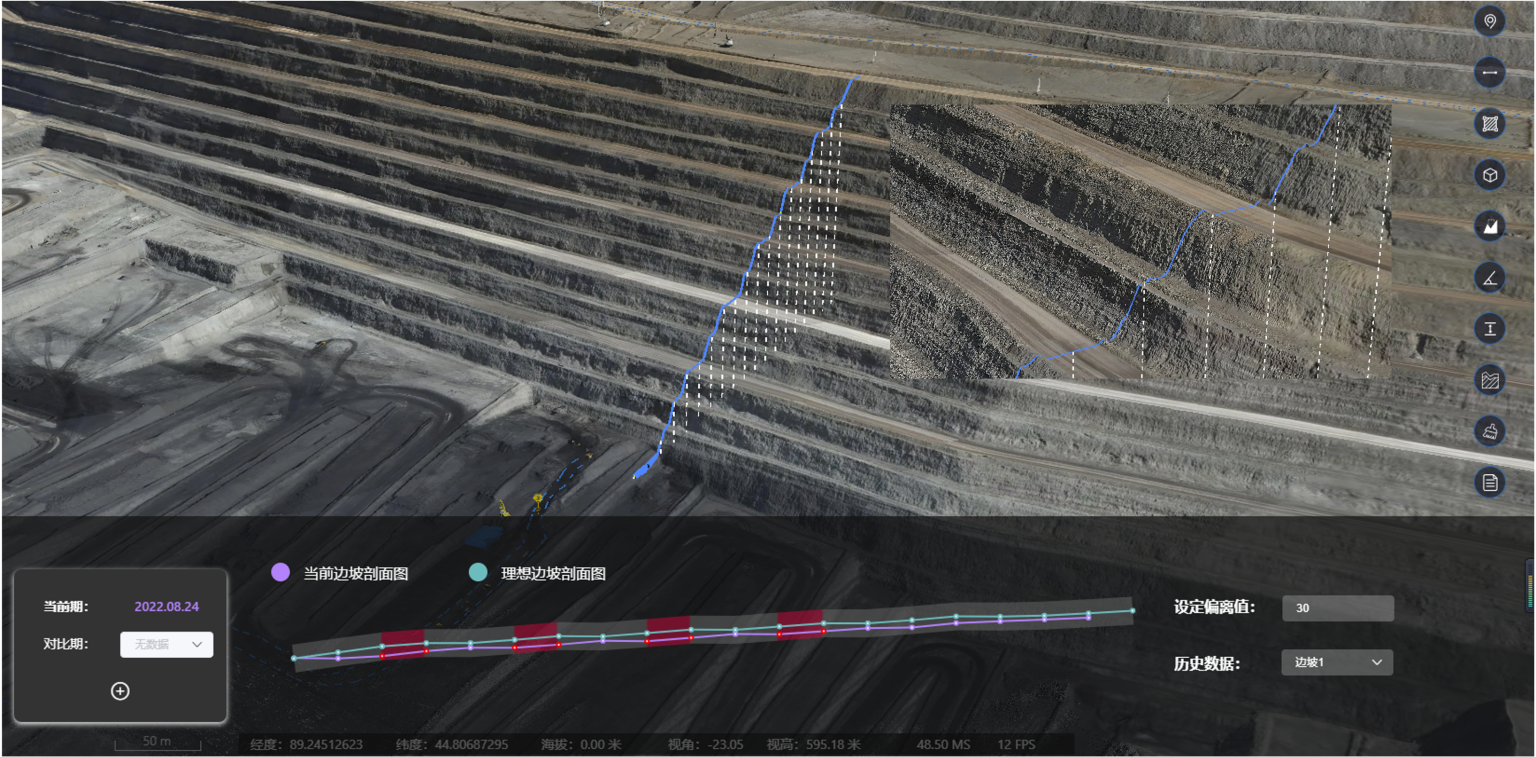
Friendly start for busy teams
You are a team that wants fewer surprises and more quiet, steady work. This piece shows small steps you can take with simple tools like a mining monitoring system and a basic digital twin to watch machines and tunnels. The voice here stays light and clear so your crew can read it fast and act faster. We will mention sensor ideas and asset health in plain words.
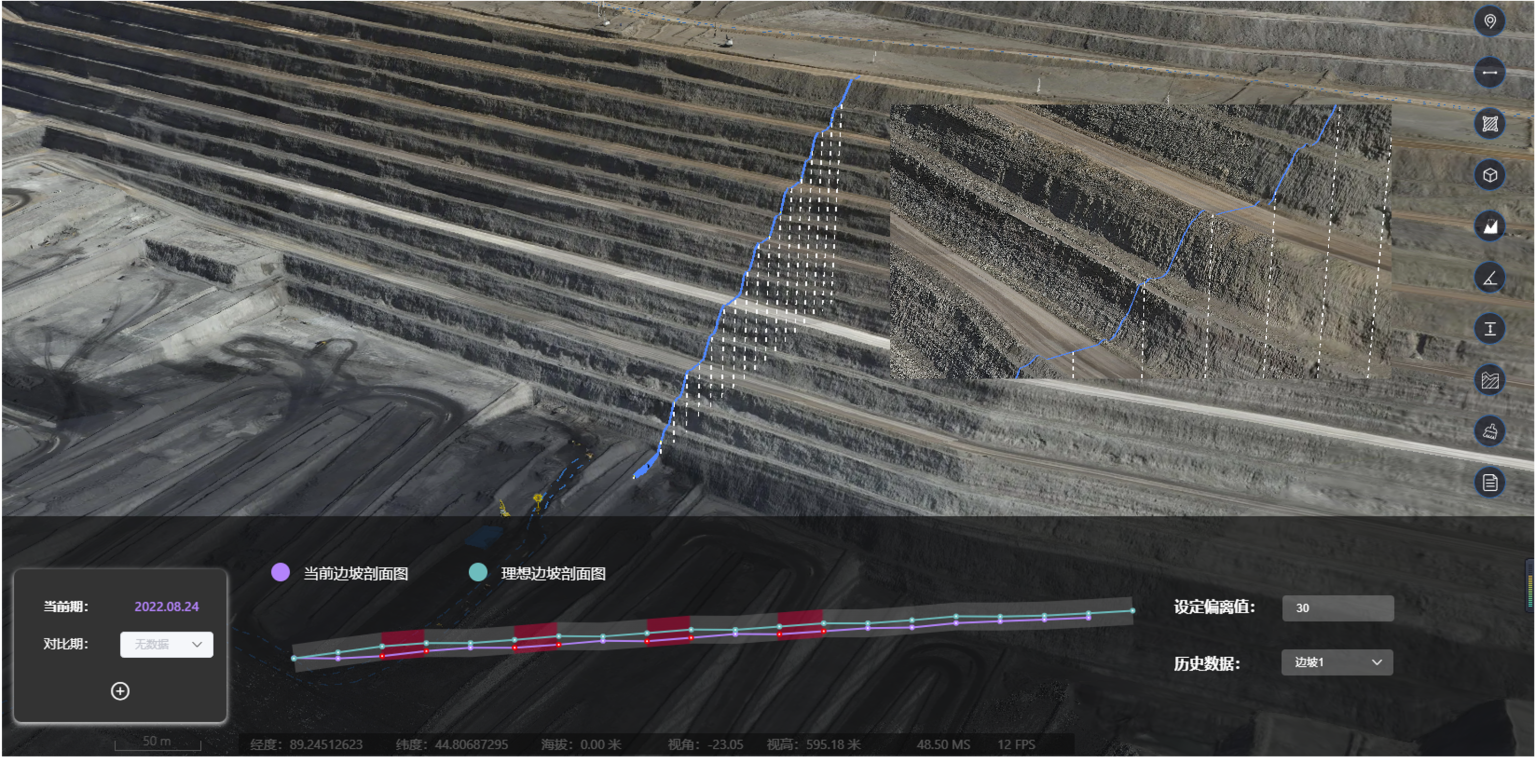
What user-focused AI really does
Think of AI as a helpful pet that watches gauges and tells you when something is getting tired. It looks at sensor telemetry and condition monitoring signals. Then it nudges a human to check a part before it breaks. This lowers sudden stops at the face and keeps trucks rolling. People who run Escondida in Chile and other big sites moved toward these tools after safety scares like the 2010 Copiapó rescue — they wanted fewer surprises and more clear data.
Daily wins your crew will feel
On a tired morning, the system flags a pump that hums oddly. A quick check saves the day and a long repair. That is predictive maintenance mining in action — you fix small things now so big things do not break later. Teams notice less wasted time, fewer mail threads, and clearer shift handovers. The tech terms are simple: digital twin models mirror real gear, and sensor telemetry feeds the brain so you see trends, not just flashes.
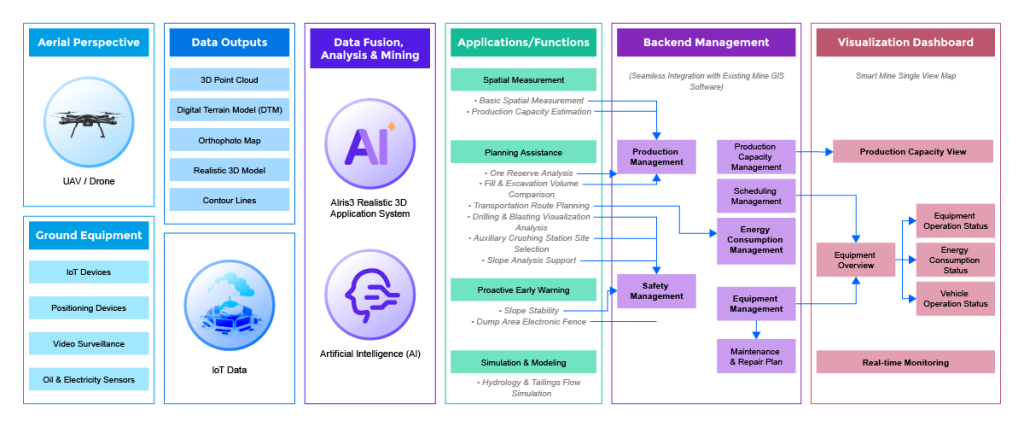
Common slip-ups and how to dodge them
People often pile in too many alarms or ignore the ones that matter. Keep alerts few and clear. Train one or two staff to read trends — that keeps the work smooth. Another error is chasing perfect data before acting. Start with honest, simple readings and improve from there — small wins build trust. Also, keep the interface playful and readable so operators actually use it — dull screens mean ignored tools.
Choices that fit small teams
Pick tools that match your day-to-day. Look for systems that show asset health in pictures and let you click to see recent sensor telemetry. Ask vendors for a short demo with your own data — not a glossy slide deck. Try a pilot on one fleet or one shaft. If it helps a little, scale up. If not, try a different feature. Keep the plan tiny and concrete.
Quick checklist for pilots
– Start with one machine and one clear outcome, like fewer pump failures.
– Log simple sensor data: vibration, temperature, and runtime.
– Run a trial for 30–90 days so patterns appear.
– Review results with operators and tweak alerts together — teamwork matters.
Three golden rules for choosing systems
1) Relevance over bells: Pick solutions that show clear, measurable results for your crew (reduced downtime, faster fixes, clearer handovers).
2) Usability first: The interface must be obvious to day crews and night crews alike — low training time wins.
3) Measured scaling: Start small, measure uptime and repair time, then grow the pilot only when you see steady gains.
Wrap-up and next steps
Small teams can get big benefits by adding simple AI smarts to everyday work. Keep pilots light, watch sensor telemetry, and focus on asset health signals that matter. This steady approach builds trust and quick wins — and it connects work on the ground to smarter planning up top. For a practical partner that blends clear dashboards with digital twin thinking, think about how Icecypress Technology fits into your roadmap — it feels like the missing friendly helper for teams who want predictable days and safer nights. —