
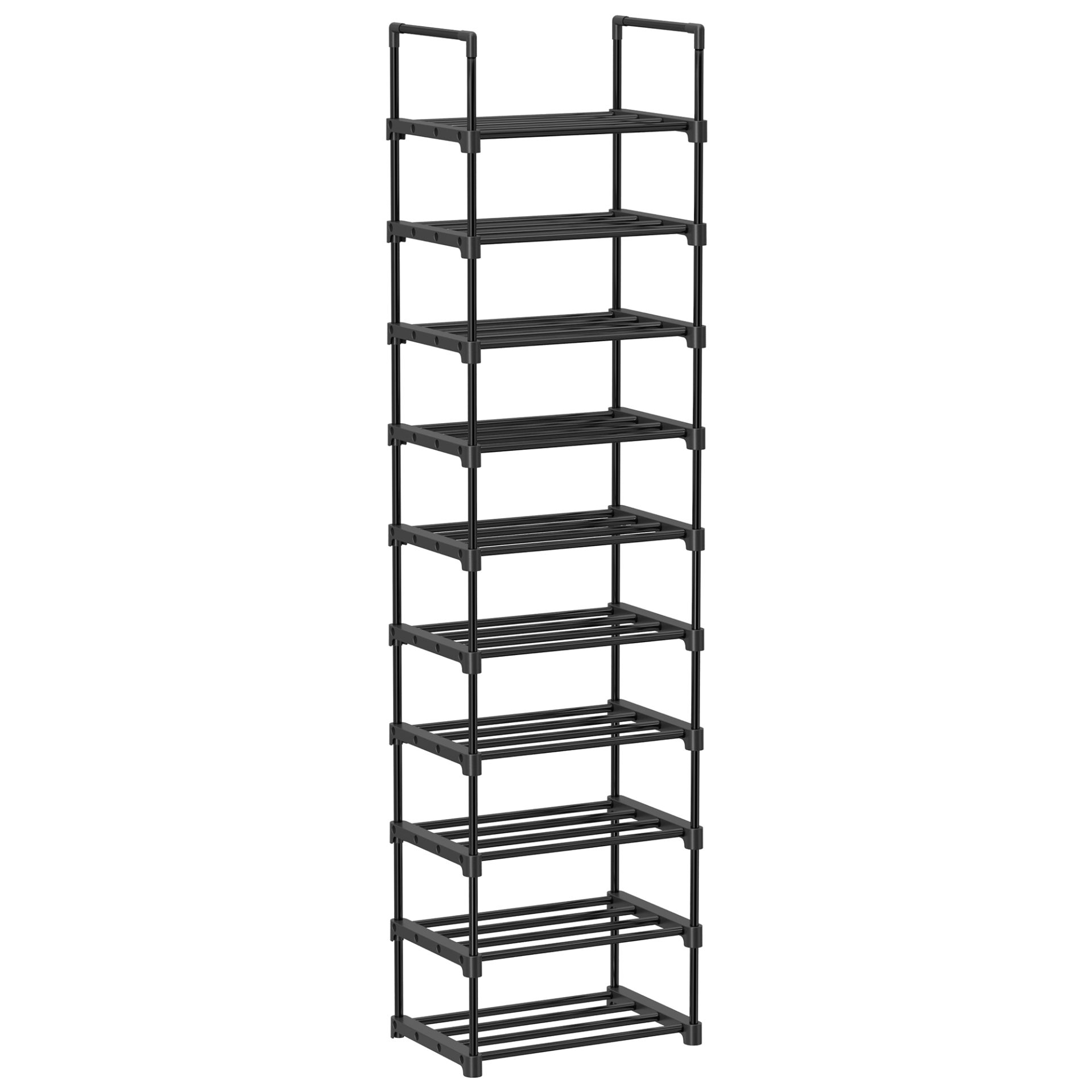
Introduction
Your entryway isn’t messy—your system is. A shoe rack manufacturer can’t save a layout that fights your space. Picture this: you come home, drip on the mat, and you’ve got twelve pairs in rotation, not counting boots (winter hits different here). In city apartments, shoes can eat up a third of your entryway footprint—no cap. Before you pick a shoe rack supplier, know the engineering under the hood: load-bearing tests, powder coating durability, and how injection molding affects fit. If the spec is off by a few millimeters, your shelves wobble, and the whole vibe falls apart—funny how that works, right?
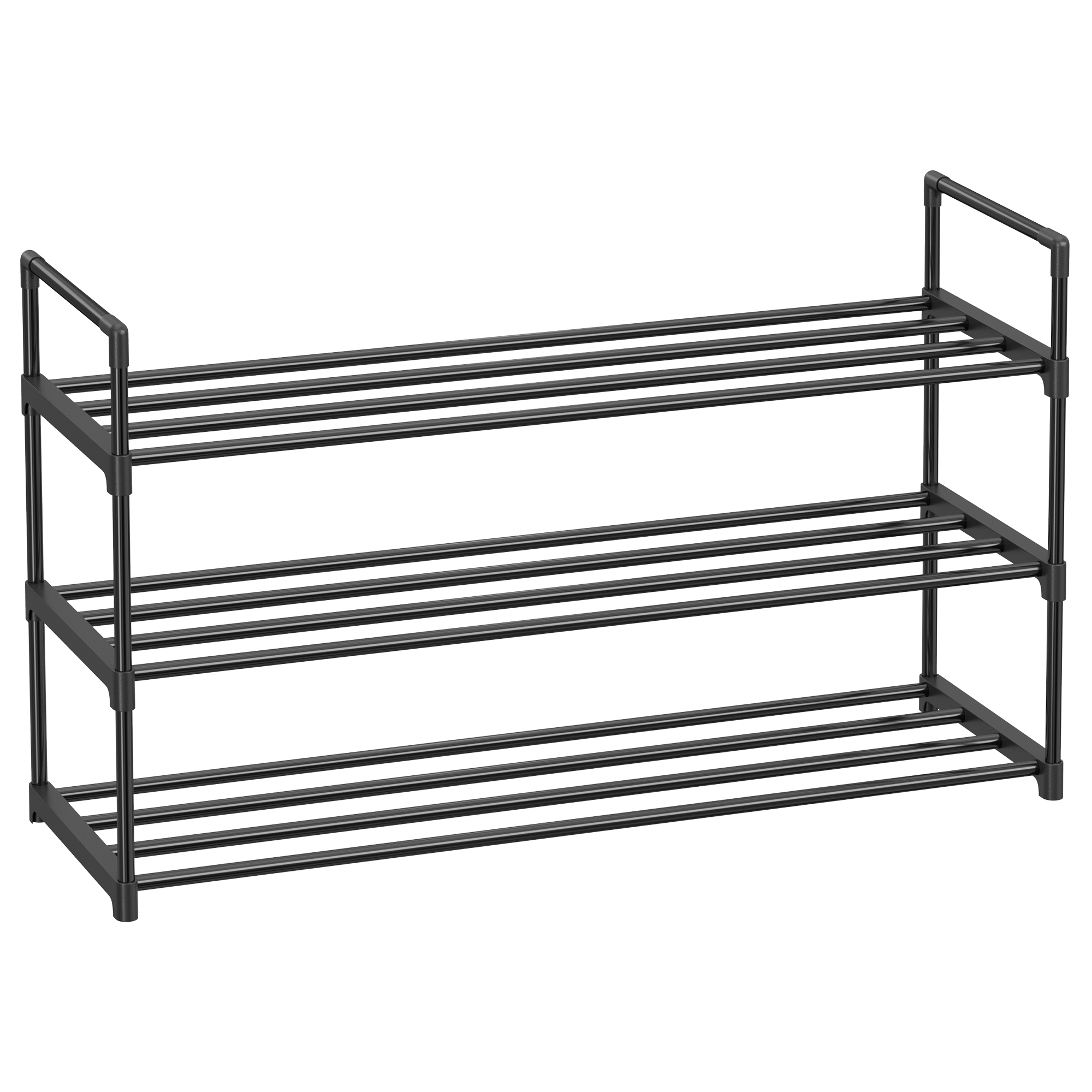
Real talk: we’ve seen good designs die from slow lead times and weak packaging. A crushed corner, a bent bracket, and your weekend plan is toast. And if your hallway is narrow, a deep unit turns into a trip hazard. So, what’s the move? Map the pain, not just the price. Let’s break it down and keep it moving.
Hidden Pain Points Your Sourcing Spreadsheet Can’t See
What’s the real bottleneck?
Technical truth first: the weak link in a shoe system is often tolerance stack-up across parts. If CNC bending drifts by ±1.5 mm and the uprights were cut loose, the shelf torque shifts, fasteners slip, and stability dips. Your spreadsheet won’t show that. Nor will it flag when powder coating is too thick at joints, making assembly tight and causing micro-cracks later. Look, it’s simpler than you think: consistent tolerances plus clean finishing equals fewer returns. Pair that with real QC audits and batch traceability, and you cut your defect rate from four digits PPM to something you can live with.
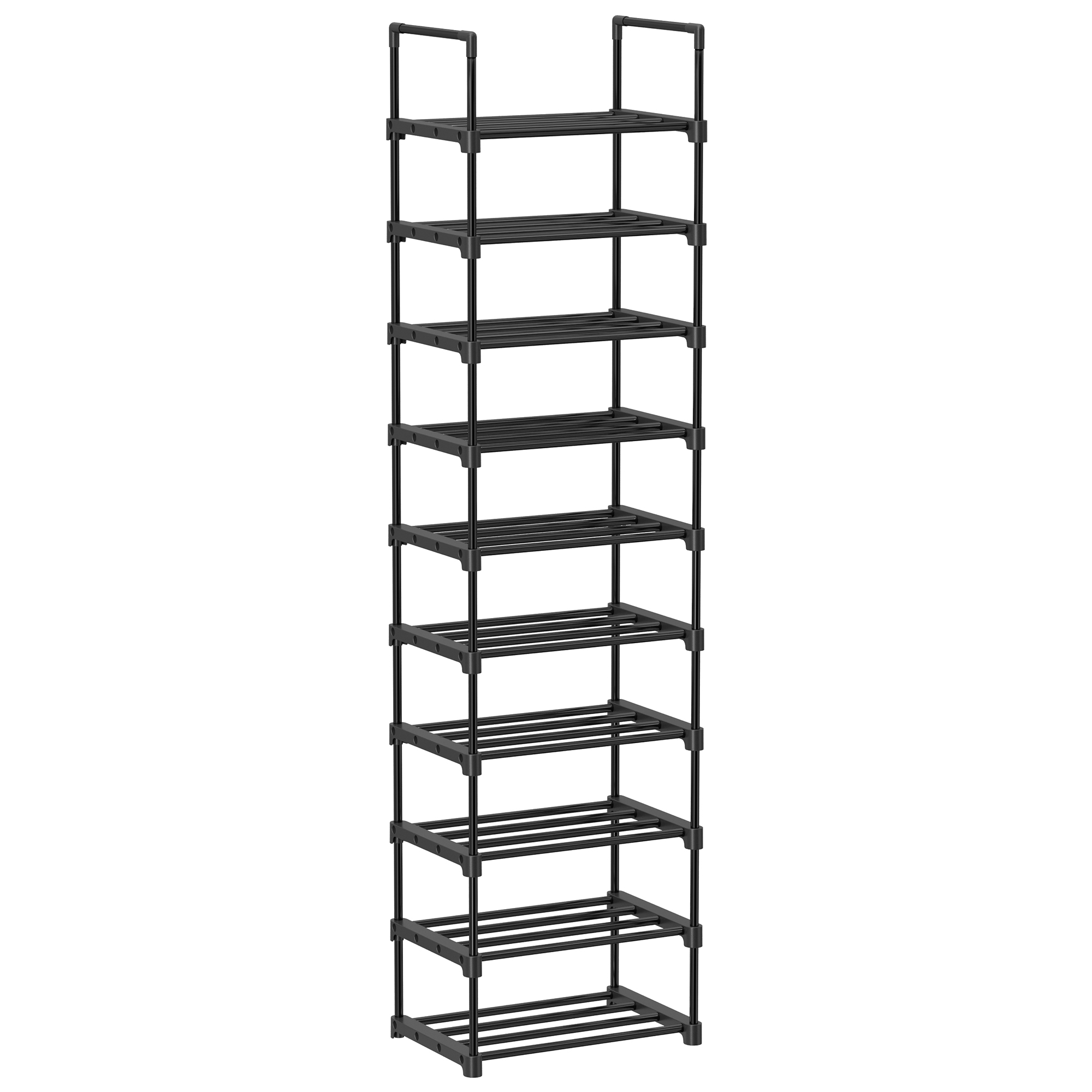
Then there’s the silent killer—packaging. If your cartons don’t meet edge crush test targets or drop-test standards, you’ll fail before the rack hits a door. MOQs can push you to overbuy SKUs you don’t need, driving SKU creep and confused shelves on retail floors. Flat-pack design helps, but only if the hardware kit is clear and repeatable. When assembly needs tools you don’t own, returns spike. And yes, lead-time variance hurts more than price swings; a late delivery can wreck a launch window. Build your spec around load testing, corrosion resistance, and a simple, tool-light assembly path. Everything else follows.
Comparing Paths: Cases Today, Signals for Tomorrow
Real-world Impact
Let’s stack two plays. Brand A kept chasing the lowest unit cost, swapping factories each season; the result was mixed finishes, loose joints, and high PPM noise on returns. Brand B locked in with a partner who standardized uprights, crossbars, and brackets across sizes, then cut variation with tighter jigs and multi-point QC. Same price band, different outcome: Brand B saw OTIF climb and assembly time drop by minutes per unit—more throughput, less headache. A seasoned china shoes rack manufacturer will show you why the jig roadmap matters as much as the metal gauge. Small moves, big gains—deadass.
Future look: expect lighter frames with higher yield strength, smarter fasteners that lock without over-torque, and cartons tuned for ISTA-3A. Some shops are piloting in-line sensors for bend accuracy and automated powder-curing logs; others use barcode-driven kitting to stop missing hardware. In one rollout, a retailer swapped to modular uprights and tool-less cams; defect rates fell, and returns shifted from “broken” to “wrong size” (way easier to fix). The lesson isn’t hype—it’s discipline. Compare suppliers on process control, not promises—funny how that works, right? To choose well, use three metrics you can measure: on-time-in-full stability (target 95%+), dimensional accuracy across key parts (hold ±1.0 mm or better), and failure rate under load (PPM at or below your warranty threshold). Keep those steady and your entryway goes from chaos to calm, one unit at a time, with the right partner at your side: SONGMICS HOME B2B.