
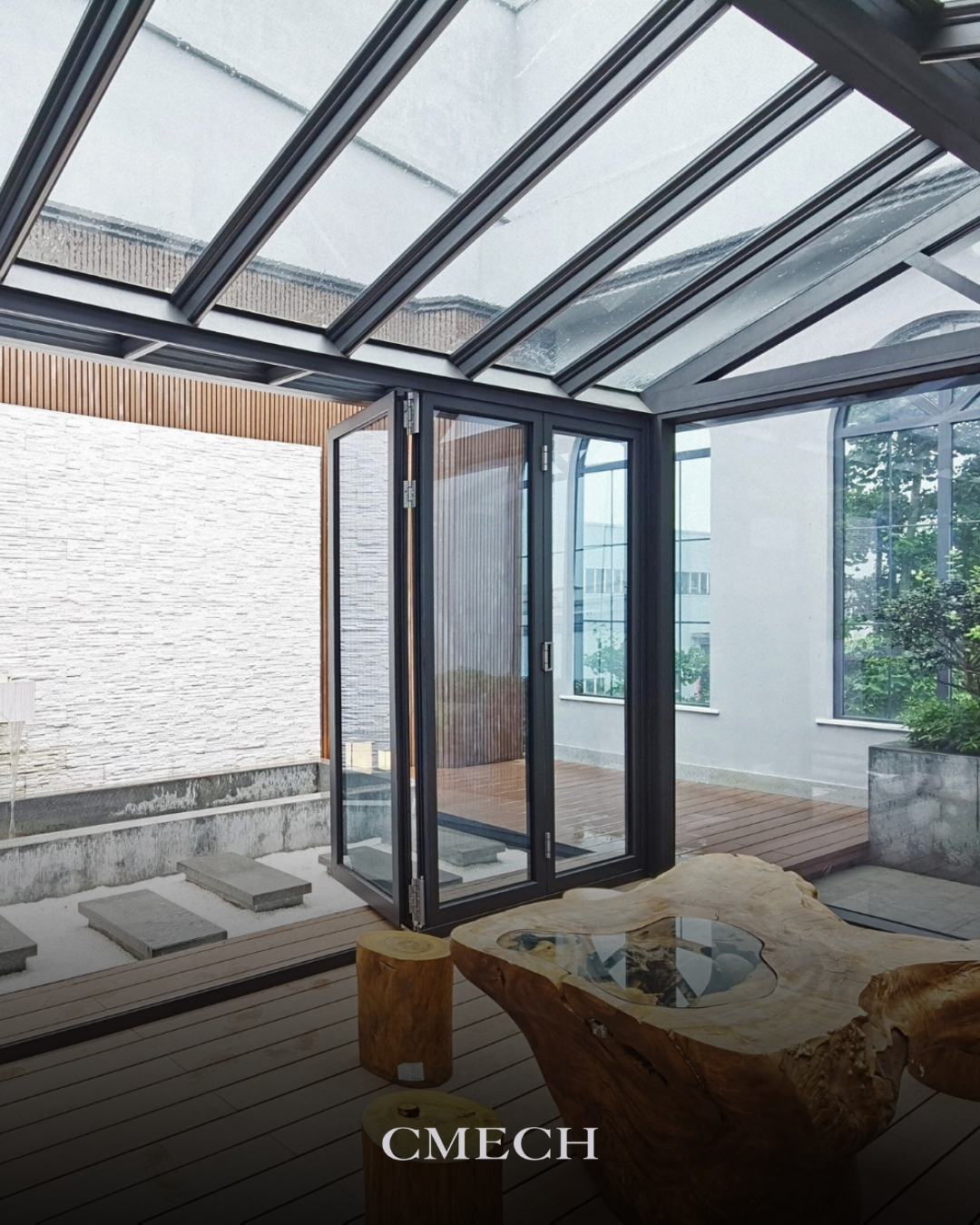
Comparing what you actually need
Start by matching hardware to function: bifold door hardware kits behave differently from casement window hardware kits, and picking the wrong set wastes time and money. For interior closets you might lean on a smooth track system and roller carriage; exterior applications demand weather-resistant finishes and robust locking like a flush bolt or deadlock. If you’re sorting options, look at how each kit handles weight and wear. Also see how components perform against standard swing door hardware for comparable load and motion expectations — that helps set a baseline.
Core components to evaluate
Break kits down into parts: hinge type, track profile, rollers, fasteners, and locking hardware. A pivot hinge offers different clearance and load distribution than a multi-point hinge; sash and stile dimensions determine clearances and backset measurements. Pay attention to strike plate durability and whether the kit includes corrosion-resistant plating for coastal homes. These few details predict longevity far better than brand names alone.
Installation realities and sizing
Measure carefully. Bifold doors need precise track placement and equalized roller carriage alignment; casement windows require accurate sash fit and correct crank or friction hinge torque settings. Mistakes here produce sticking or uneven gaps. If you’re retrofitting, check existing reveal depths and framing—sometimes an adapter or extended screw pack is necessary. Proper pre-drilling and torque-limited drivers protect thin aluminum frames from stripping.
Common mistakes installers make — and how to avoid them
People often under-spec the hardware for the door weight or ignore lateral loading from wind. That produces premature wear. Another frequent error is skipping the secondary latch or flush bolt on multi-panel systems—don’t. Those parts stabilize panels under stress. Also, don’t assume finish equals protection; a painted surface can hide a low-grade base metal. Inspect the hardware’s material spec and ask for stainless or hardened steel where exposure or security matters.
Comparing brands and kits — practical checkpoints
Compare three things across kits: load rating, component replaceability, and warranty terms. Load rating tells you whether the rollers or hinges will sag over time. Replaceability matters because roller carriages and springs wear first; kits that let you swap a worn part save money. Warranties that list clear service periods and coverage for finish and mechanical failure are the most honest. If you want a quick real-world anchor: Frank Lloyd Wright’s treatment of casement windows at Fallingwater shows how long-term exposure and precision fit affect performance — architecture like that rewards hardware chosen for durability, not just looks.
Alternatives, accessories, and when to upgrade
Consider soft-close dampers on interior bifolds and multi-point locking for exterior casements. Add weatherstrips or brush seals for noise and draft reduction. For heavy panels, spec a heavy-duty track system and oversized rollers. If budget is tight, buy a kit with modular parts so you can upgrade a roller or hinge later instead of replacing the whole set — it’s a small up-front cost for long-term flexibility.
How to test a kit before committing
Physically feel the mechanism. Smooth travel under load, minimal lateral play, and consistent latch engagement are non-negotiable. Check for replacement parts availability and documented torque or load specs. Verify finish adhesion and fastener grades. When comparing to swinging door hardware, note how pivot points and strike geometry differ — evaluating both helps you choose the best mechanical match.
Three golden rules for selecting the right kit
1) Match capacity to the heaviest loaded panel; undersizing shortens life. 2) Prioritize replaceable wear parts and clear service documentation. 3) Choose corrosion-resistant materials for exterior or humid environments.
These rules lead you to hardware that lasts, performs, and keeps installation time reasonable. Practical choices—like specifying marine-grade stainless for coastal fittings—save headaches. For projects where reliability matters, swinging door hardware comparisons and modular kit designs often reveal the best long-term value. You’ll find the right balance of strength and serviceability with brands that document load ratings, offer spare parts, and stand behind their gear. CMECH. –