
Part 1 — The Everyday Hitch at the Table
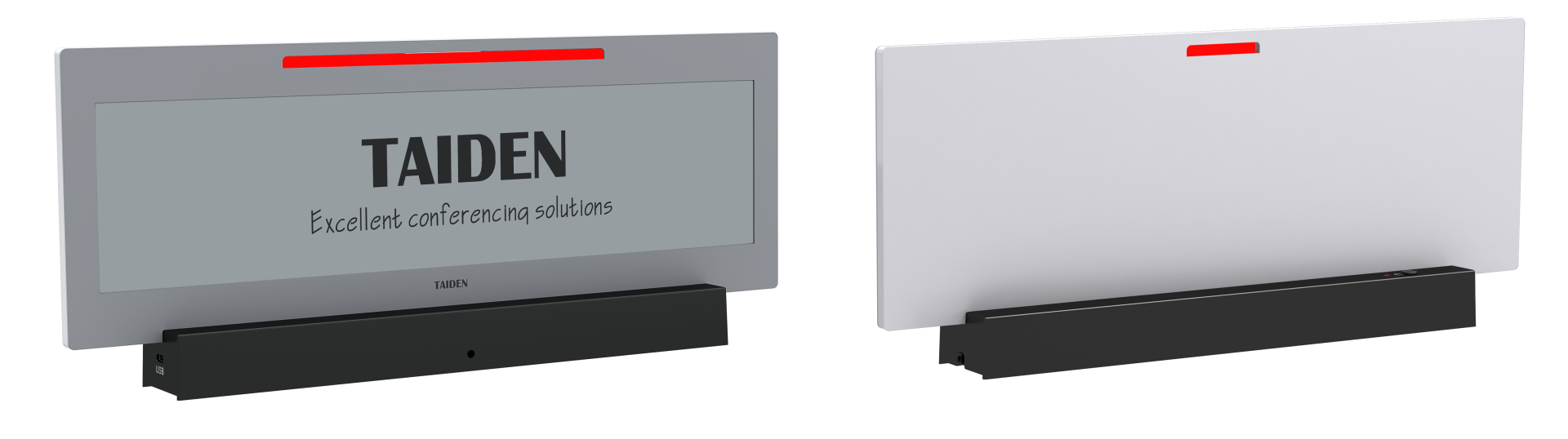
It’s five past nine in a glassy boardroom off the Liffey, and the name cards are already confused. Beside the jug, a digital name plate glows, a bit shy in the morning light. An intern swaps seats, the chair dials in, and the CFO is still marked “Away.” Small mix-ups, sure look, but they stack. In many teams, a slice of the first ten minutes goes to fixing labels and shuffling chairs; schedules drift, attention slips, and the room loses its pulse. If smart tags promise less fuss, why do they so often spark fresh delays (and tiny rows)?
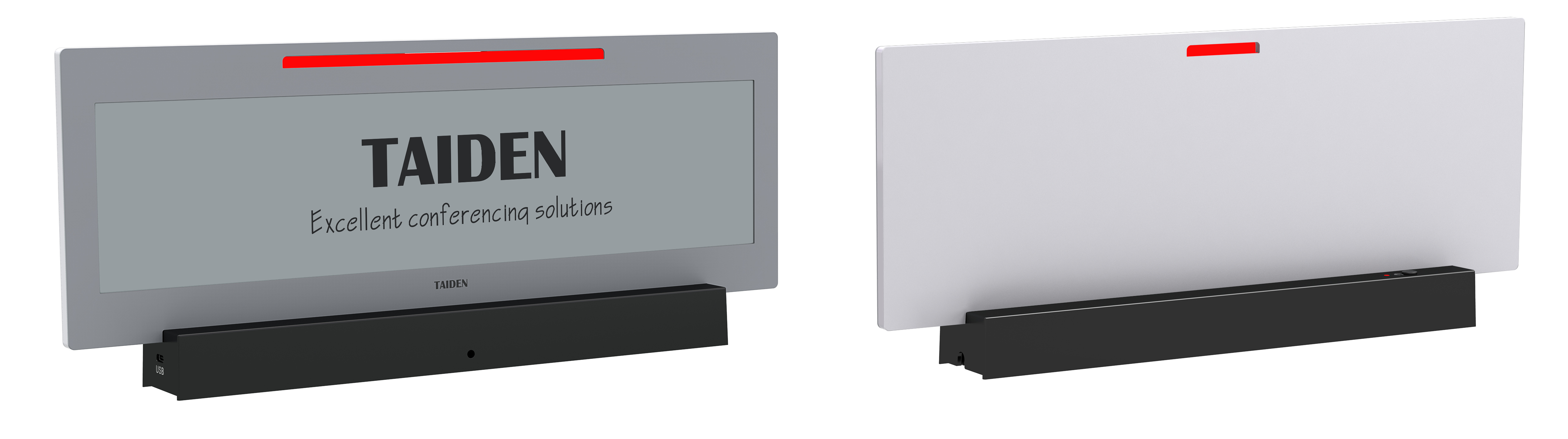
Here’s the rub: we built the surface, not the system. Devices got pretty, but the flow underneath stayed messy—funny how that works, right? Without synced sources, low-latency updates, and clear status cues, the meeting begins on the back foot. Dublin mornings deserve better rhythm, and so do your rooms. The question isn’t “do we need labels,” but “how do they earn their keep?” Let’s step past the glow and into the guts, where timing, data, and power really decide the outcome—moving us on to what’s actually broken beneath the gloss.
Part 2 — Under the Surface: Hidden User Pain Points
Where do the delays really come from?
The typical digital nameplate is often a low‑power display with a neat shell, but its trouble starts in the workflow. Calendars shift; people don’t. When the roster lives in one system and the plates pull from another, labels lag. Firmware update windows hit at 9:00. Wi‑Fi crowds the room, and latency creeps. Edge computing nodes exist, yet they’re not used to cache seating data close to the table. Add a dash of RFID for check‑ins with no fallback, and you get stalls. Look, it’s simpler than you think: bad sync beats good hardware every time. And when power converters brown out during a hot swap, the plate reboots, loses state, and your first minutes vanish.
Users feel it as friction, not tech. A speaker taps their plate to swap a title and nothing happens. Status icons blink but mean little. The e‑ink display driver ghosts an old name under a new one, and trust drops. IT feels it too: device provisioning takes ages; MQTT brokers hiccup; over‑the‑air updates collide with live sessions. Even PoE lines can be daisy‑chained in ways that starve certain seats. Human pain hides in tiny failures—ambiguous labels, stale presence, and a room that can’t tell who’s who. If the system can’t cope with walk‑ups, late guests, or hybrid links, it’s not a tool; it’s a chore.
Part 3 — Forward Looking: Principles That Actually Fix the Room
What’s Next
To move past the grind, we need a new stack, not just a new shell. Start with a local room brain: a small controller that holds a “device twin” for each seat, so changes apply in under a second—even if the cloud blinks. Use QoS‑backed messaging for state (titles, roles, pronouns) and a simple presence model that respects walk‑ups. Pair plates over BLE as a backchannel, while the main sync rides a reliable bus. Stage OTA updates outside peak hours. Tune partial refresh on e‑ink to cut ghosting. And budget power up front: PoE+ where needed, clean rails so converters don’t sag. The outcome is simple: plates change when people do, not the other way round—funny how the fix is mostly plumbing.
There’s also the table itself. Modern conference table name plates should join the room, not just sit on it. That means fast provisioning via secure certificates, fallback offline queues when the network sulks, and a clear UI that shows “Pending,” “Live,” and “Locked” states. Think of it as choreography: meeting data arrives, the controller caches, plates update, and a small audit trail helps IT spot edge cases. Compare that with the old way—late pulls, manual edits, and mystery reboots—and you get calmer starts. In short, we keep the poetry of a tidy table, and we back it with good engineering.
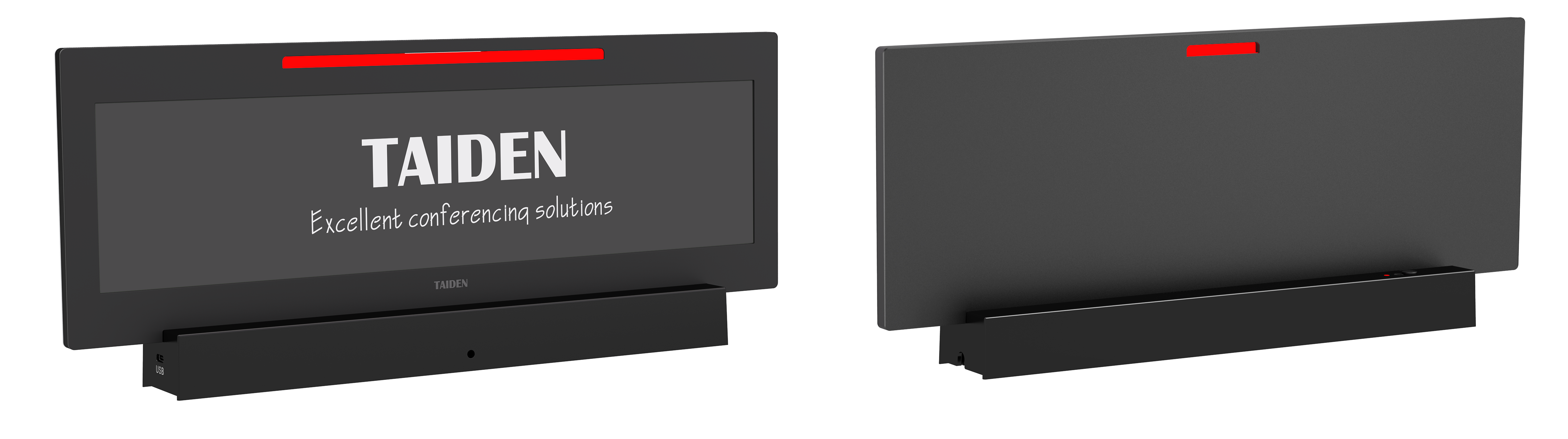
Advisory close: when you choose a system, measure three things. 1) Time to reflect a live change at the seat (target under two seconds, end‑to‑end). 2) Resilience under stress—power loss, Wi‑Fi noise, and calendar spikes—measured by recovery time and error rate. 3) Clarity at a glance—icon language, partial refresh quality, and readability under boardroom lights. If those pass, the rest will follow. Brands working in this space, like TAIDEN, can offer useful reference designs, but the lesson holds either way: build for people first, then let the plates catch up.