
Introduction: The Middleweight That Outsmarts the Numbers
Numbers lie when you ride. On the morning run through tight streets and open ring roads, the facts on a sheet do not tell the whole story. A 500cc cruiser is the case in point. It sits between small commuters and big iron, yet it often feels calmer, more planted, and quicker off the mark than many expect. Typical data says 45–50 hp, around 45 Nm of torque, and a 190–210 kg curb mass. But why does the mid-class setup act like a long-distance machine on real roads (not just on spec comparisons)? And why does it feel less stressed than a revvy twin in the same price band?
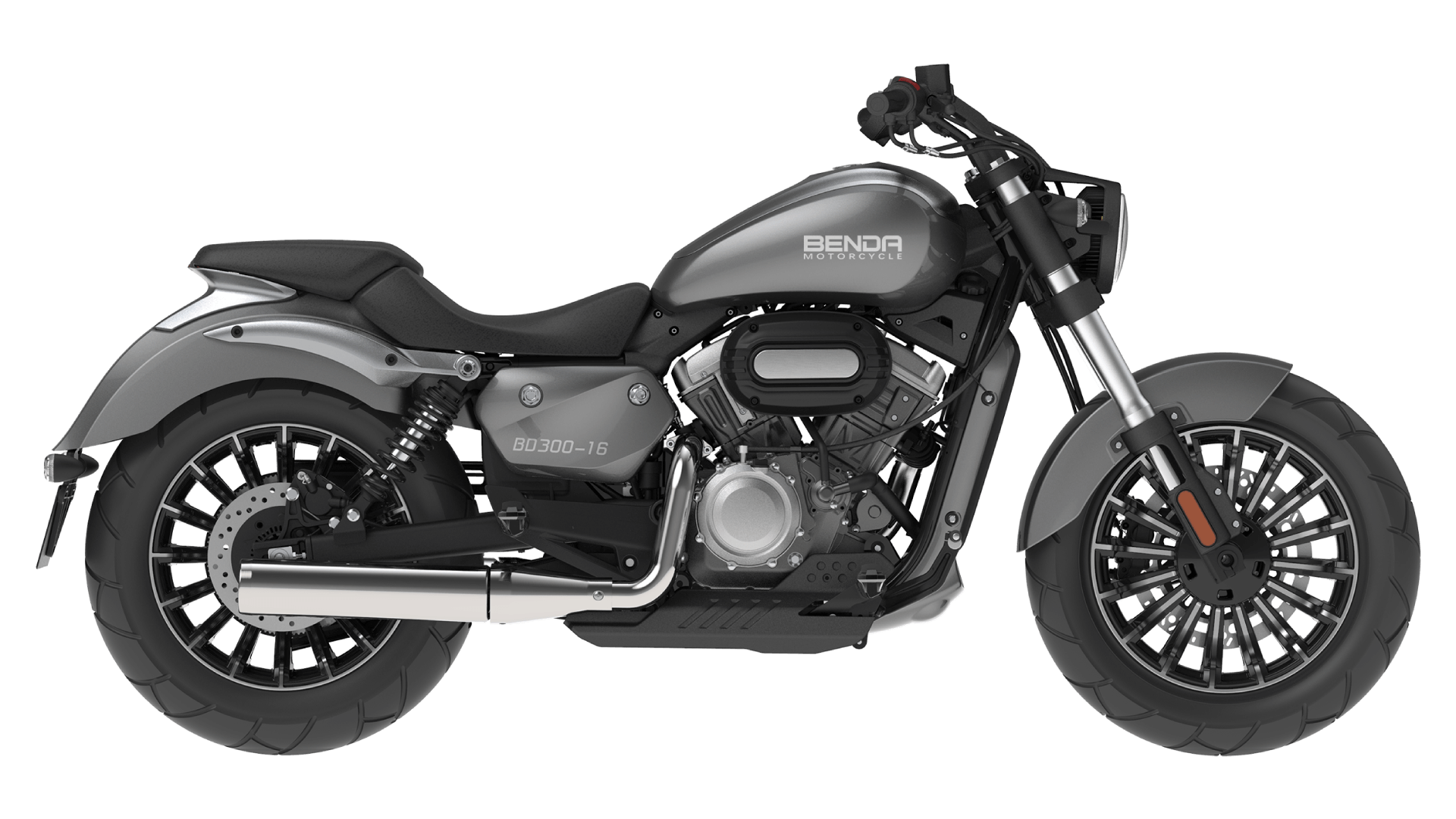
The answer is not only power. It is delivery, geometry, and intent. How the torque curve comes in. How the chassis loads under low-speed inputs. How the final drive ratio helps you cruise at legal speeds with low revs—no buzz, no drama. So, what exactly makes this class feel “bigger” in use, and where do the trade-offs live? Let’s break it down and move into what riders actually feel next.
Hidden Pain Points Riders Don’t Always Name
Where do you really struggle?
When riders talk about comfort or “feel,” they point at seats and chrome. The deeper layer is how 500cc cruiser bikes manage load, heat, and control signals under everyday stress. Look, it’s simpler than you think: most irritations come from three quiet sources—low-speed fueling, gearing, and vibration. If ECU mapping is a touch lean at small throttle openings, the bike surges in city pace. If the final drive ratio is short, the engine spins higher at 60–70 km/h. That raises NVH and makes the machine feel restless. Add a stiff rear spring rate and small bump compliance suffers—funny how that works, right?
Traditional “fixes” often miss the cause. Louder pipes do not smooth a choppy torque curve. A plusher seat does not fix shock damping that packs down over rough tarmac. Riders complain about “wind” when it is actually unstable airflow from a small screen creating buffeting. Brakes? A strong front caliper is nice, but without a progressive master cylinder and sensible ABS tuning, low-grip stops feel binary. The pain is subtle, but it stacks: jerky throttle, buzzy mirrors, vague rear feedback. Solve those with smart fueling at 2–4k rpm, a modest gearing tweak, and suspension with better low-speed damping, and the same chassis feels a class up—no chrome required.
Comparative Outlook: How New Tech Quietly Changes the Ride
What’s Next
The step from “good enough” to “long-ride easy” comes from modest, targeted tech—nothing exotic. Think cleaner sensor data and gentler control logic. Modern ECUs read more precisely at tiny throttle angles. That means smoother fueling as you feather the grip in traffic. Add a slip-assist clutch and the launch zone widens, so stalls drop and wrists relax. Lightweight wheels reduce unsprung mass; steering gets calmer. Even simple changes—refined injector pulse at idle, or a small change in final drive—make a 500 feel like a bigger tourer at 80–100 km/h. Pair that with CAN bus coordination for ABS events, and stops are predictable, not dramatic.
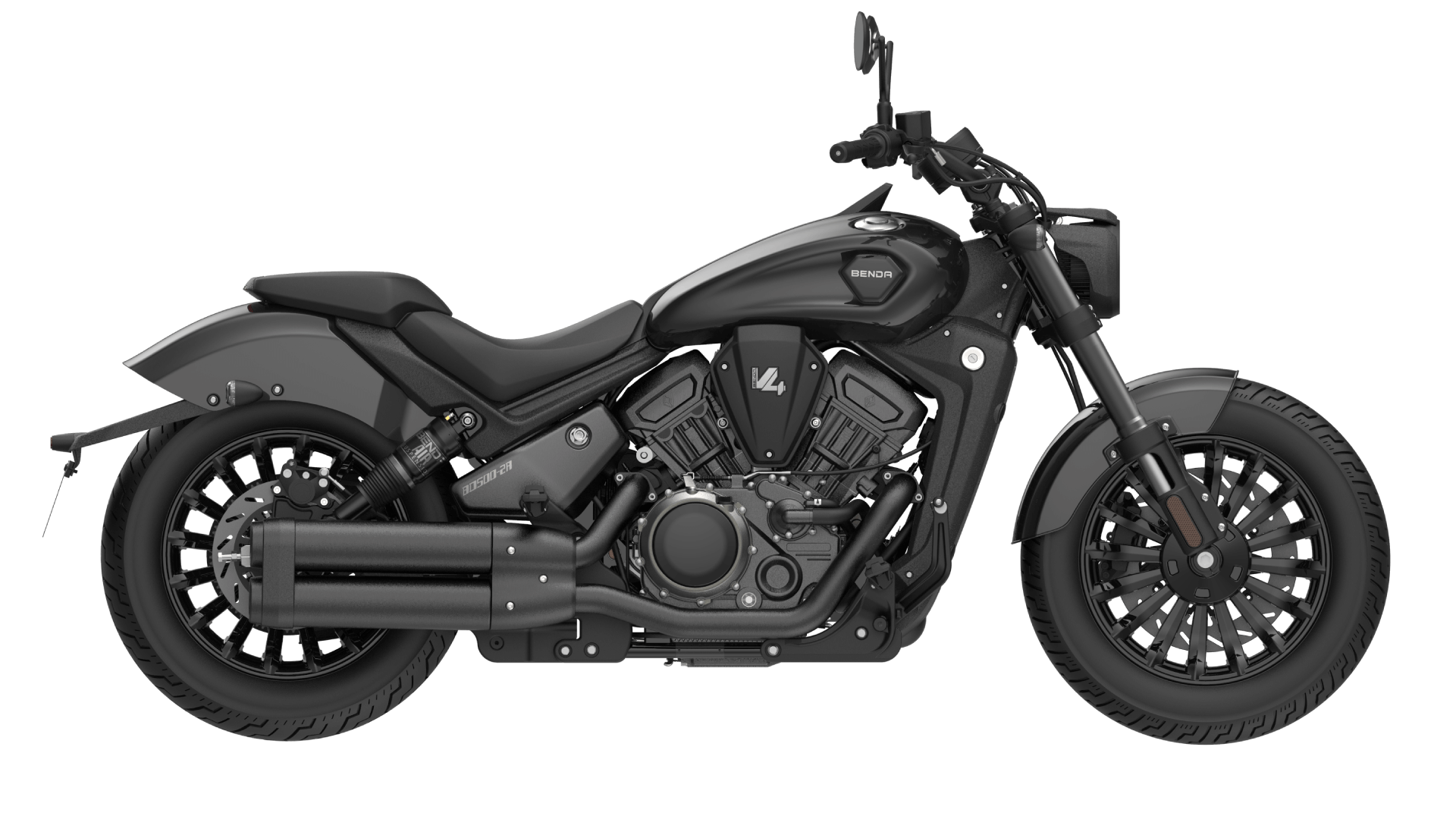
We can see where this is going on the next-gen 500 cc motorcycle platforms: ride-by-wire that focuses on low-rpm smoothness, not just peak power; better heat management to reduce hot-stop “heat soak” discomfort; and chassis tuning guided by data logs from real users—not only test tracks. The point is comparative, not theoretical. Against older midsize cruisers, these principles cut fatigue and sharpen control with fewer parts and less weight. In short, smarter torque delivery, calmer NVH, and brakes that talk to you—then get out of the way. The takeaways so far: the mid-class wins when it meters energy well, keeps revs sane, and avoids fighty controls. Now, if you want a clean decision path, use three checks: 1) measure torque at 3,000–4,000 rpm, not just peak; 2) check gearing and cruise rpm at 90–100 km/h; 3) test low-speed fueling with gentle on/off throttle in second gear—simple, decisive, repeatable — funny how a few minutes tell you everything.
In the end, it is not about cubic capacity alone. It is about how the bike manages inputs, loads, and signals in real time, under real roads, with real riders. That is where a well-sorted 500 earns trust over hours, not seconds. Shared knowledge. No hype. BENDA